---
title: "Getuk Magelang: The Sweet Taste of Tradition"
description: "Discover Getuk Magelang the traditional cassava dessert that has been a local favorite for generations."
date: 2026-07-25
lastReviewed: 2026-07-25
category: culinary
image: "/images/getuk-magelang.webp"
pinterestImage: "/images/pin-getuk-magelang.webp"
imageAlt: "Traditional Indonesian cassava dessert Getuk Magelang"
location: "Magelang City and surrounding markets"
tripStage: food-stop
related:
- collection: culinary
slug: kupat-tahu-magelang
- collection: attractions
slug: borobudur-sunrise-guide
ecoTip: "If a vendor offers leaf wrapping, keep it out of mixed litter. Bring a reusable bag for purchases and decline extra plastic where practical."
localSecret: "Ask the vendor when a batch was made and how it should be stored. Freshness, ingredients, and availability vary by stall."
sources:
- label: "Indonesia's official tourism portal"
url: "https://www.indonesia.travel/"
- label: "Magelang City Government"
url: "https://magelangkota.go.id/"
---
Getuk is a well-known Javanese cassava snack and a useful introduction to the everyday food culture around Magelang. Recipes, colours, sweetness, fillings, and packaging differ between vendors, so treat this as a guide to asking better questions rather than a ranking of “the best” stall.
## What is Getuk?
It is commonly made from cassava (singkong) that is cooked and mashed, often served with coconut and sweet elements. Preparation varies. Ask directly about ingredients if you have allergies, follow a vegan diet, or need to avoid particular sweeteners or coconut.
## The Magelang Difference
Getuk is found in several parts of Java. In Magelang, you may encounter it in markets, neighbourhood shops, and takeaway counters. Comparing a small portion from more than one vendor is a better way to understand local variation than assuming a single recipe represents the whole area.
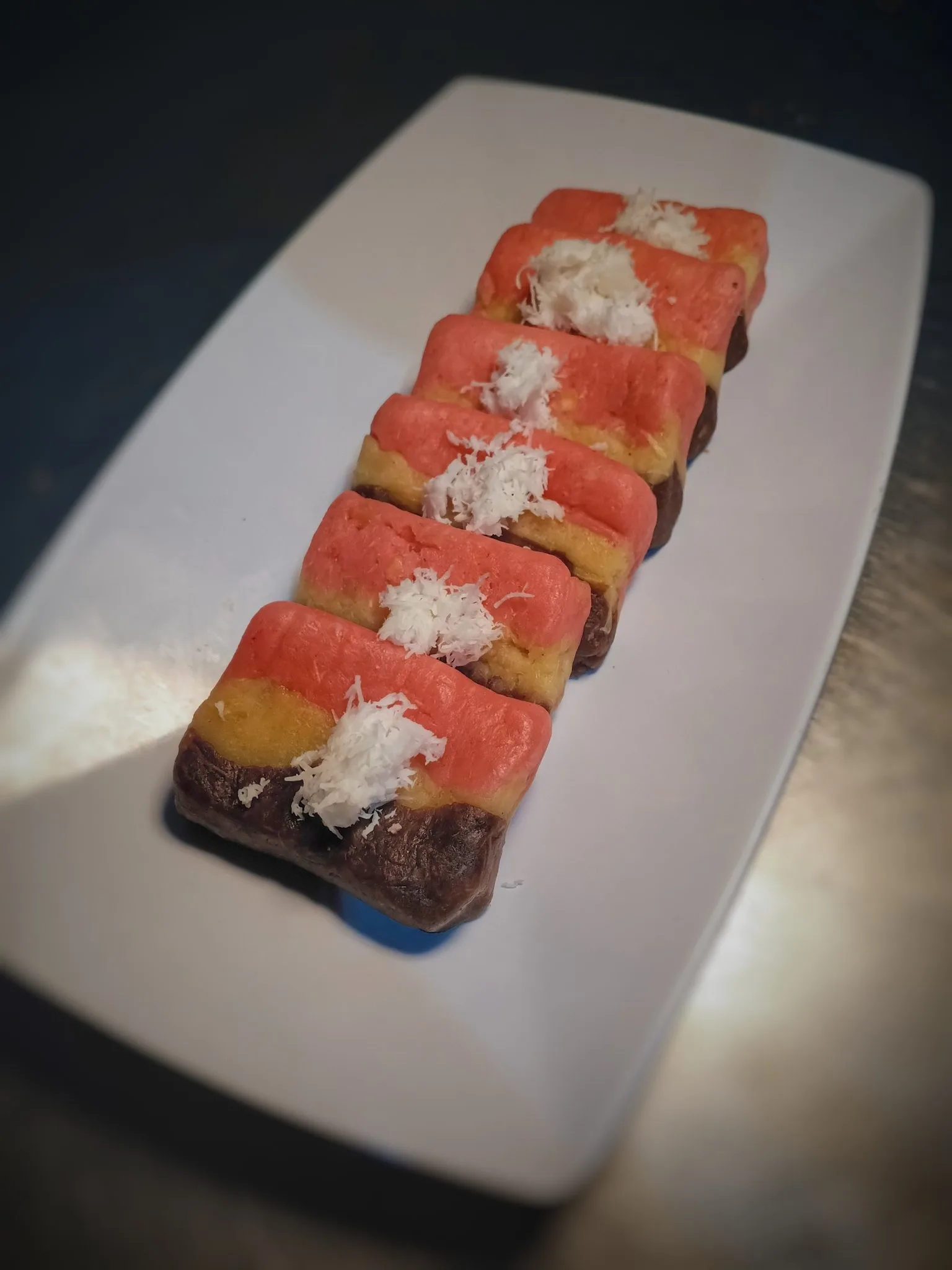
The three-colour version known as Getuk Trio — usually white, brown, and pink from the same batch of cassava — is one of the most common sights in Magelang markets. Colours and sweetness still vary by stall, so ask before buying rather than assuming one version is standard.
Getuk Trio shows the same cassava base in three colours; sweetness and toppings still differ by vendor.
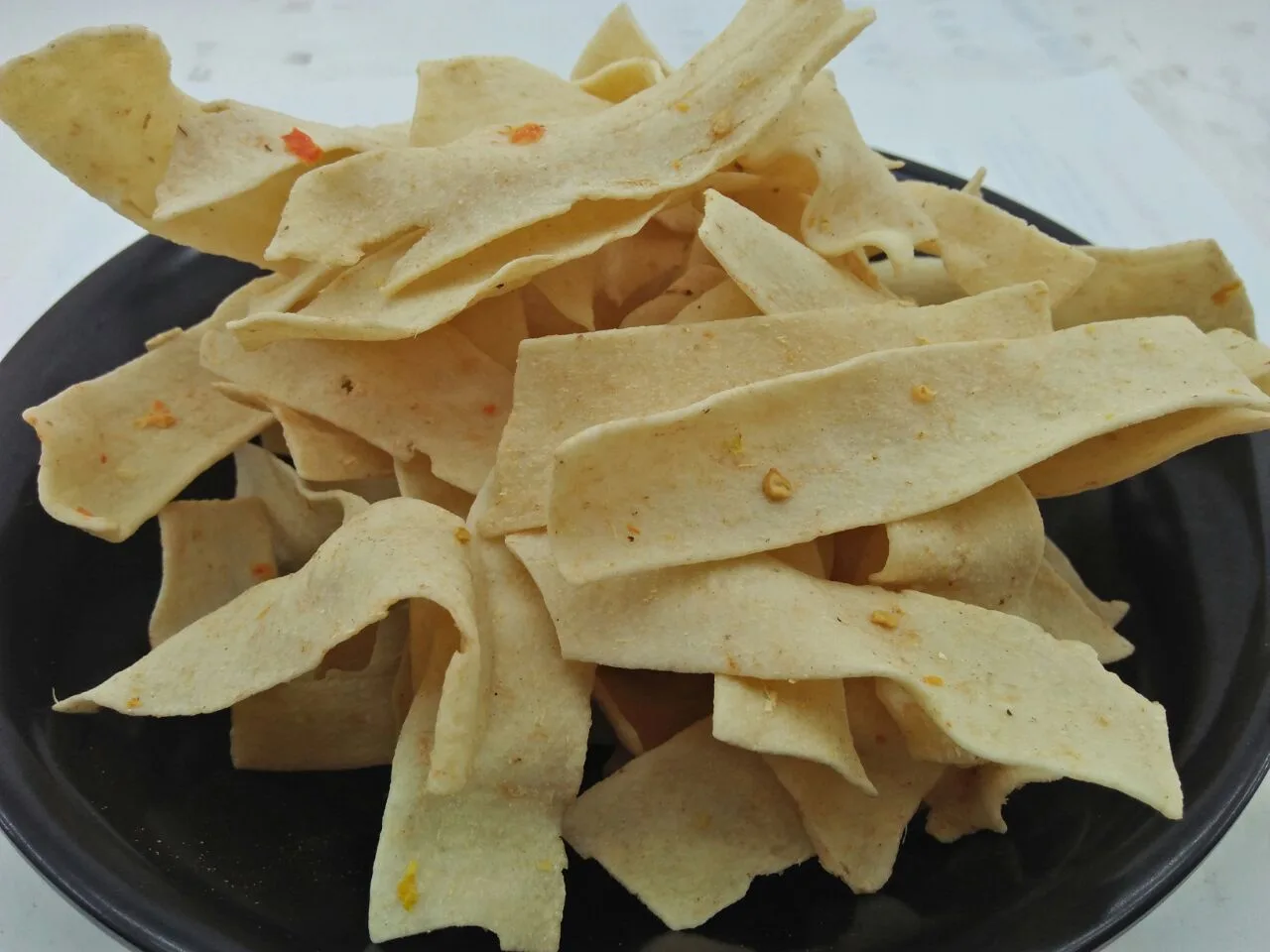
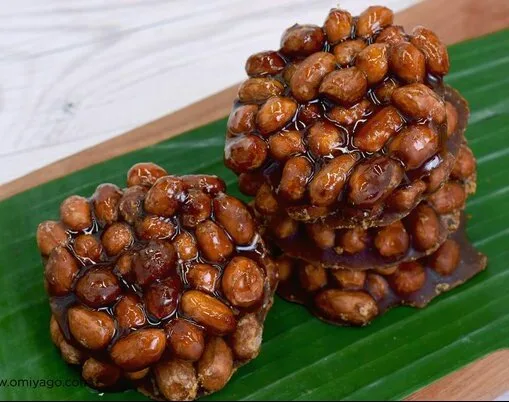
Cassava appears across many Magelang snacks. Thin, savoury-sweet cassava chips such as Slondok are common too, and peanut-and-palm-sugar candies such as Ampyang sit beside them on market counters.
Beyond getuk, cassava chips and other market snacks are worth a small shared portion.Ampyang pairs palm sugar with peanuts; some versions add ginger. It is very sweet, so a small piece goes a long way.
The clip below shows Ampyang being prepared in the traditional dark-brown colour of palm sugar.
Ampyang (Gula Kacang) being made from palm sugar and peanuts.
## Where to Try
Look for established market stalls, neighbourhood food shops, and vendors with clear preparation and storage practices. The [Magelang City Government](https://magelangkota.go.id/) is a useful starting point for local-area information; ask your host for current market hours and directions.
## How to Eat It
Getuk is often eaten as a snack (camilan). Do not assume it is vegan or gluten-free: recipes and cross-contact vary. Ask about coconut, dairy, flour, toppings, and preparation surfaces before buying.
## Buy and Carry It Well
Ask whether the portion is ready to eat, how long it keeps, and whether it needs to be protected from heat. Choose the smallest amount that suits your group, especially if you plan to continue sightseeing. This reduces food waste and gives you room to try a second local snack later.
If you are taking it away, a reusable bag is useful. Keep any leaf wrapping or paper separate from other litter, and do not leave food waste at a temple, viewpoint, or trailhead.
Buy a portion you can finish, carry it in your own bag where possible, and dispose of packaging responsibly. Pair a food stop with the [Borobudur planning guide](/attractions/borobudur-sunrise-guide/) or our [sustainable travel guide](/guides/sustainable-travel/). For the rest of a local-food day, compare getuk with [Kupat Tahu Magelang](/culinary/kupat-tahu-magelang/), [Sop Senerek](/culinary/sop-senerek-magelang/), and [Mangut Beong](/culinary/mangut-beong-magelang/).