---
title: "Mangut Beong Magelang: A Practical Dish Guide"
description: "Learn how to order Mangut Beong near Borobudur, ask about heat and allergens, and enjoy this coconut-milk river-fish dish with less waste."
date: 2026-10-05
lastReviewed: 2026-10-05
category: culinary
image: "/images/culinary/mangut-beong.webp"
pinterestImage: "/images/pin-mangut-beong-magelang.webp"
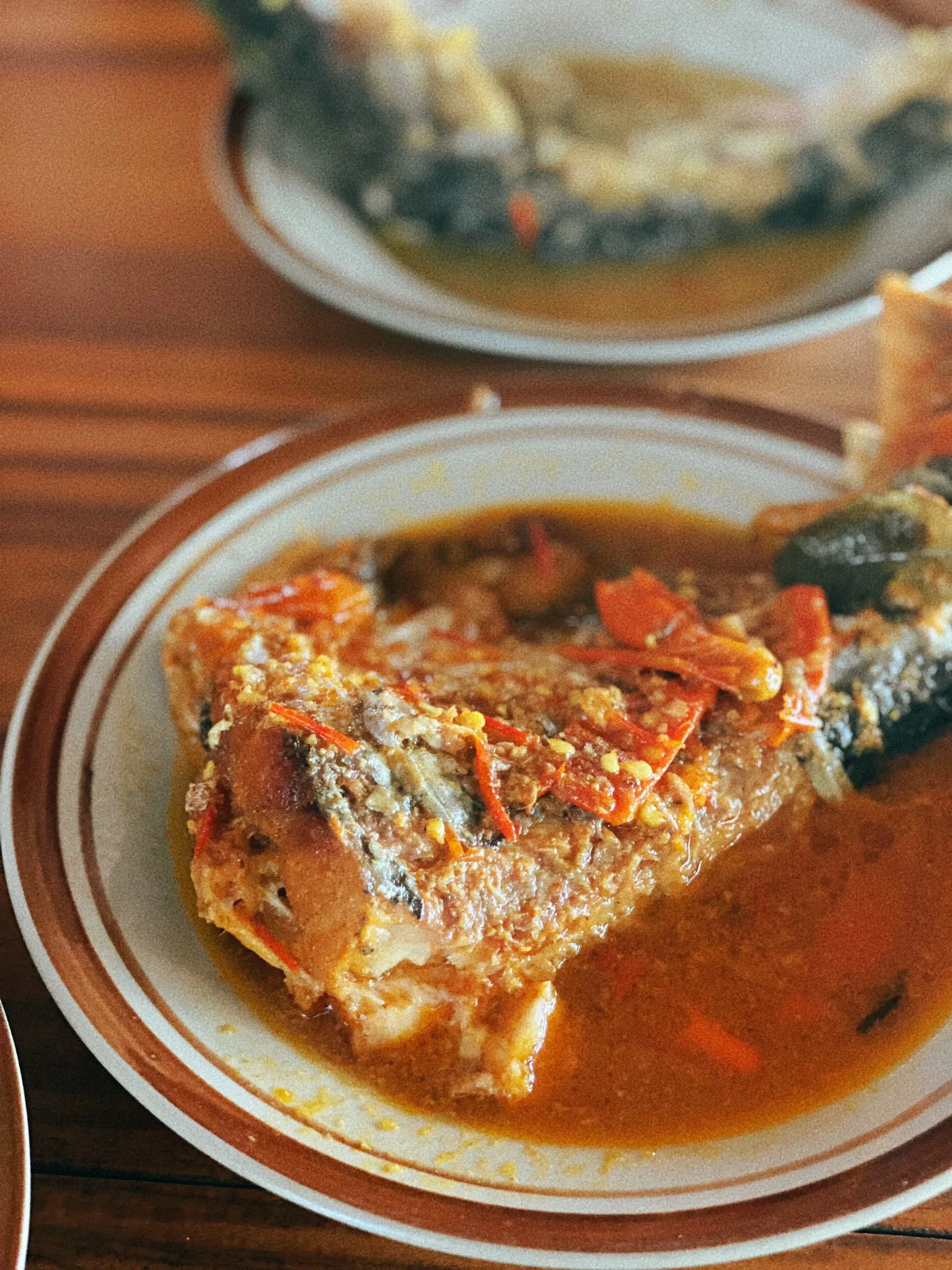
imageAlt: "A plate of Mangut Beong, a spicy coconut-milk river-fish dish from near Borobudur"
location: "Borobudur area and parts of Magelang Regency"
tripStage: food-stop
keyFacts:
- label: "Broth"
value: "Coconut milk based, which makes the sauce thick and yellow rather than clear"
- label: "Protein"
value: "Beong, a freshwater river fish of the Progo area, similar to catfish"
- label: "Heat"
value: "Often genuinely hot — specify sebelum it is cooked, not after"
- label: "Best time"
value: "Lunch into afternoon, unlike the town's breakfast soups"
- label: "Availability"
value: "More common near Borobudur and in village warungs than in city-centre stalls"
- label: "Allergens"
value: "Fish and coconut are both present — check for fish sauce or shrimp paste too"
- label: "Pairing"
value: "Plain rice, not a strongly flavoured side; the sauce carries the meal"
- label: "Payment"
value: "Cash, as with most village warungs"
related:
- collection: culinary
slug: soto-magelang-nasi-lesah
- collection: culinary
slug: sop-senerek-magelang
- collection: guides
slug: sustainable-travel
ecoTip: "Order a portion you can finish and eat in when practical. Do not leave food waste at temple grounds, viewpoints, or trailheads."
familyTip: "Ask about spice level, coconut milk, and fish before ordering for children or anyone with dietary restrictions. Request chilli on the side if preferred."
localSecret: "Beong fish is a freshwater river fish associated with the Progo River area. Some cooks say it resembles catfish but carries a thicker, firmer flesh."
sources:
- label: "Indonesia's official tourism portal"
url: "https://www.indonesia.travel/gb/en/home"
- label: "InJourney Destination — official heritage park operator"
url: "https://injourneydestination.id"
- label: "Magelang Regency Government"
url: "https://magelangkab.go.id/"
faq:
- q: "What is beong fish?"
a: "A freshwater river fish associated with the Progo River area around Borobudur, commonly compared to catfish. Some cooks describe its flesh as thicker and firmer than catfish. It is not a substitute you should expect to find in most restaurants outside the region, which is part of why the dish is worth seeking out here."
- q: "Is mangut beong spicy?"
a: "Often yes, and more so than most Magelang dishes. The chilli is usually cooked into the coconut base rather than served alongside it, so it cannot be adjusted after the fact. Say tidak pedas before it is prepared, and ask for the chilli on the side if you want any heat at all."
- q: "What is mangut, linguistically?"
a: "Mangut refers to a family of Indonesian dishes in which a main ingredient is first cooked separately then finished in a rich, aromatic sauce. Mangut beong is the beong-fish version; the same pattern produces other regional variants with beef or other proteins."
- q: "Can I order it without fish?"
a: "Rarely as a named dish, because the fish is the point. Ask instead whether the kitchen will serve the same sauce with chicken or tofu — many warungs will, even where they will not call it mangut beong."
- q: "Is it safe for people with shellfish allergies?"
a: "Ask specifically about fish sauce or shrimp paste. Coconut-milk sauces in this region frequently use one or both for depth, and a vendor may not consider it relevant unless you raise it directly."
- q: "Where should I eat it?"
a: "Near Borobudur and in village warungs in the wider regency, rather than expecting it at every city-centre stall. A village warung after a morning at the temple is the natural way to meet it. Confirm current locations with your host on the day."
- q: "What time of day should I order it?"
a: "Lunch into the afternoon. It is a heavier, richer dish than the town's breakfast soups, and village kitchens that specialise in it rarely serve it early or late."
- q: "How do I reduce waste here?"
a: "Eat in, order the portion you can actually finish, and ask whether your own clean container is acceptable for takeaway. Do not leave food waste at temple grounds, viewpoints or trailheads — the countryside around Borobudur is agricultural and fishing is a livelihood, not scenery."
---
Mangut beong is a coconut-milk-based dish using beong fish, a freshwater fish linked to the Progo River area near Borobudur. The sauce is typically aromatic and can be quite spicy. Recipes, heat levels, fish size, and accompanying sides differ between vendors. This page helps you ask clearer questions and order with care rather than presenting one definitive version.
Because the dish is closely tied to the river and the temple countryside, it fits naturally into a day built around Borobudur. A village warung after a morning at the temple is the usual way to meet it.
## What the Name Tells You
"Mangut" describes a cooking pattern rather than a single recipe: a main ingredient is cooked first, then finished in a rich, aromatic sauce. You will find the same pattern across Indonesia with different proteins. "Beong" is the fish.
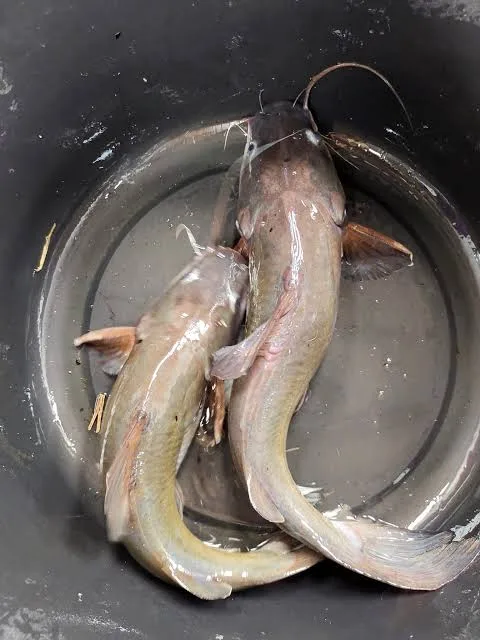
That fish is a freshwater species of the Progo River area, generally compared to catfish, with some cooks describing a thicker and firmer flesh than you would expect from that comparison. It is not something you will find on a menu in most places outside this region, which is precisely the argument for eating it here rather than treating it as an ordinary fish curry.
Beong fish arrives whole at many kitchens and is cleaned and cooked on the day it is served.
## The Two Questions to Ask Before Ordering
**"Pedasnya berapa?"** — how hot is it? Mangut beong is commonly hotter than the rest of Magelang's food, and the chilli goes into the coconut base during cooking rather than arriving on the side. Once it is cooked you cannot take it out. State your preference up front, and ask for chilli served separately if you want any at all.
**"Ikan atau ayam?"** — fish or chicken? If you cannot eat fish, ask whether the kitchen will serve the same sauce with another protein. Many warungs will, even if they will not call it mangut beong.
Then raise anything else. Fish sauce or shrimp paste is common in coconut-milk sauces in this region, and a vendor will not think to mention it unless you ask. That matters if you have a shellfish allergy, which is a different question from a fish allergy.
The colour of the sauce and the amount of chilli vary from kitchen to kitchen, so one direct question before it is cooked saves surprises.
## Ordering and Timing
The dish is lunch and afternoon food rather than breakfast. Village kitchens that specialise in it rarely serve early or late, and the richness does not suit the morning the way a clear broth does. If you are pairing it with a temple morning, it works well as the midday meal after [Borobudur](/attractions/borobudur-sunrise-guide/).
Order a portion you can finish. The sauce is thick and the coconut base is filling, and a rice-heavy plate is easy to overorder. Plain rice is the right pairing; a strongly flavoured side competes with a sauce that is already carrying the dish.
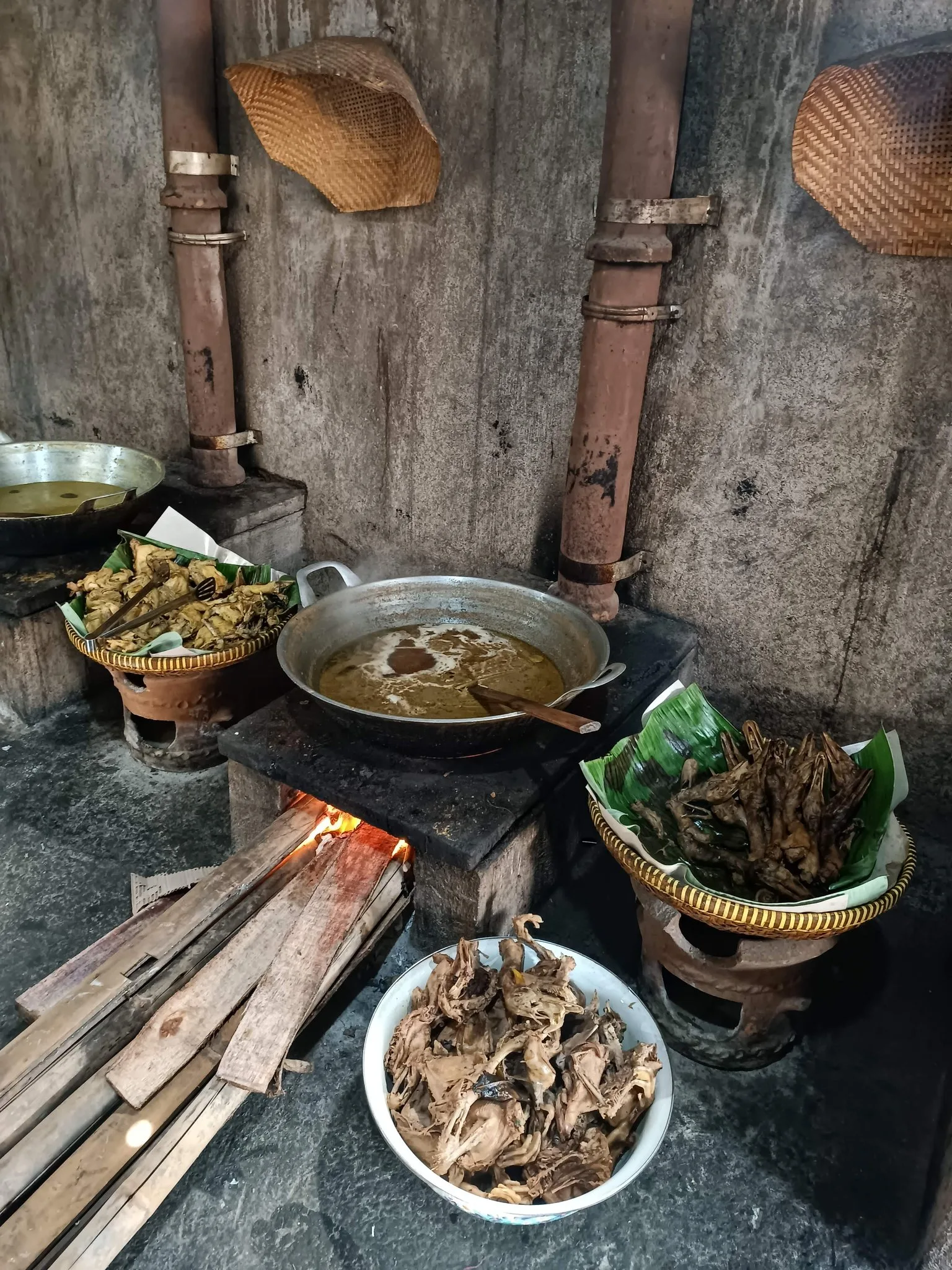
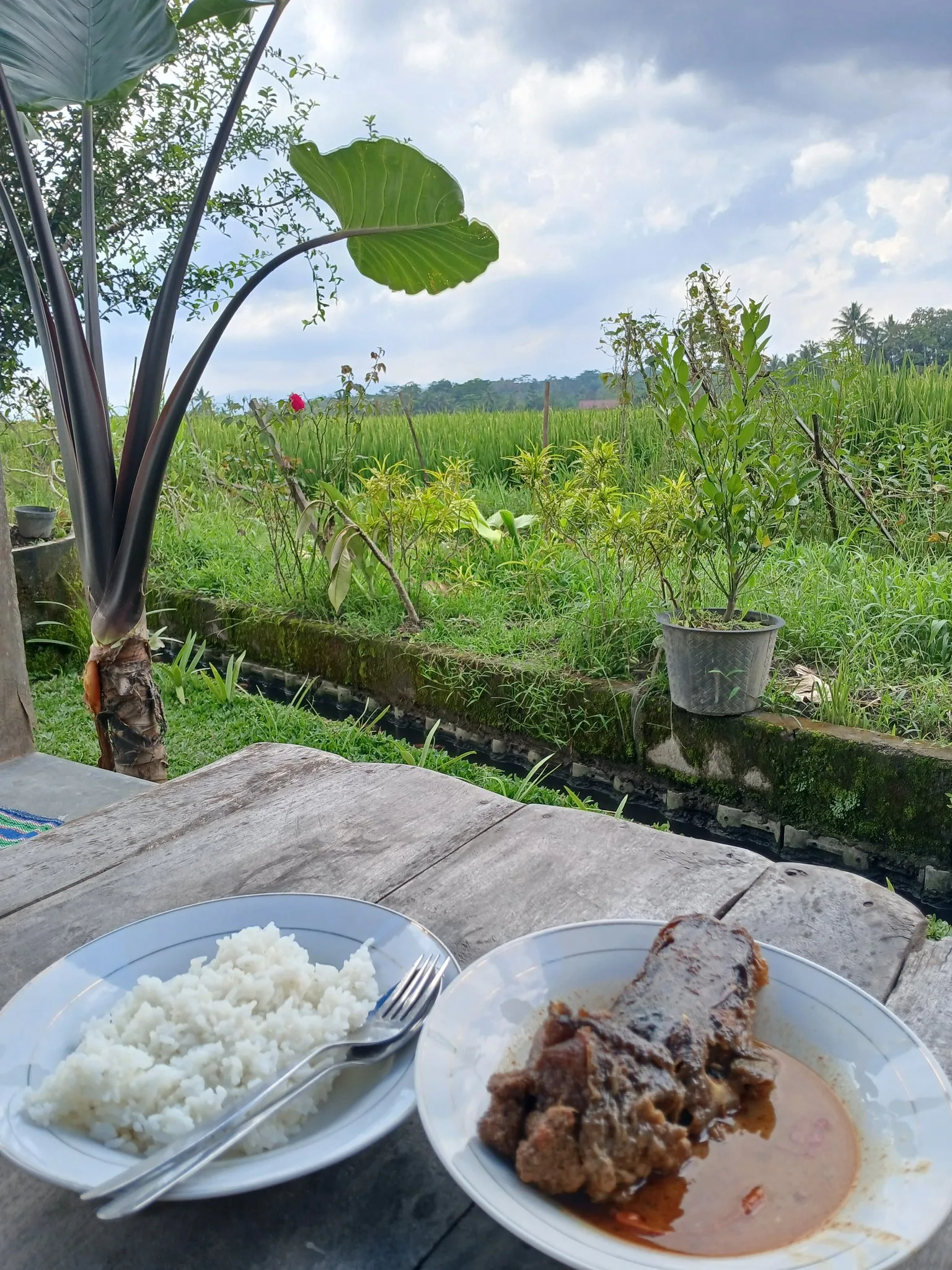
Wood-fired cauldrons are part of the everyday kitchen rhythm behind many village dishes.Rice, fish, and a countryside view are a natural combination around the Borobudur area.
## Choose a Kitchen Thoughtfully
Prefer places where the fish is cooked to order rather than held, ingredients are handled with care, and the vendor can explain the spice level. Shared utensils and sauces are normal in warung settings, which is another reason to state allergies clearly and early.
Judging factors in order of usefulness: the food is hot, the fish looks fresh rather than sitting, there is visible turnover, and the vendor will answer a question. Reputation lists are the weakest signal available to you here, because vendors move and kitchens change.
Plating a fresh portion straight from the cauldron at a village kitchen.
## Where to Find It
It is more readily found near Borobudur and in certain villages or food streets in the wider Magelang area than at every city-centre stall. Confirm current locations and opening times with your host or a local information point on the day of your visit, and carry cash — village warungs rarely take anything else.
## Useful Words to Know
- "Tidak pedas" – not spicy
- "Sedikit pedas" – a little spicy
- "Pedasnya berapa" – how hot is it
- "Ikan atau ayam" – fish or chicken
- "Bungkus" – takeaway
Speak slowly and confirm details if dietary needs matter. If a vendor cannot answer an allergy question confidently, choose a different dish.
## Order With Less Waste
Eat in when practical. If taking food away, ask whether a clean personal container is acceptable and decline the extra plastic or cutlery you do not need. Carry packaging until you can dispose of it properly.
Do not leave food waste at temple grounds, viewpoints, or trailheads. The countryside around Borobudur is working agricultural land and the Progo supports a fishing livelihood — this is not scenery, it is other people's income and their catch. The [sustainable travel guide](/guides/sustainable-travel/) covers the wider habits that matter across the region.
## Family Notes
Ask about spice level, coconut milk, and fish before ordering for children or anyone with dietary restrictions. Request chilli on the side if preferred, and allow the dish to cool before serving to young children. Note that both fish and coconut are structural to the dish, so it is rarely adaptable for a mixed table — order a second, simpler dish alongside it rather than trying to adapt one.
## Where to Pair It
Mangut beong sits in the same family of rich, aromatic sauces as [nasi lesah](/culinary/soto-magelang-nasi-lesah/), so the two make a natural comparison of how coconut milk is used in Magelang cooking. For a lighter counterpoint try [sop senerek](/culinary/sop-senerek-magelang/) with its clear broth, or [kupat tahu](/culinary/kupat-tahu-magelang/). If you are timing the meal, the [one-day itinerary](/guides/magelang-one-day-itinerary/) places a Borobudur morning with food alongside it.