Key facts at a glance
- Height with no shade
- Around 35 m of exposed volcanic stone; heat exhaustion is common by 11:00
- Bag limit
- Backpacks over roughly 3 litres are left at the base; small lockers are free
- Shoes
- Mandatory woven Upanat sandals, issued by size; you swap at the base and swap back at the exit
- Free sarong
- A batik sarong is provided at the gate if shoulders and knees are not covered
- Tripods
- Tripods and selfie sticks are prohibited on the structure itself
- Prohibited inside
- Food and drink other than water; fill up at the entrance water stations
- Carry a small bag
- You need somewhere for your own shoes during the swap, and for the sandals afterwards
- Climb window
- Structure climbs run 09:00 to 17:00 daily, so the coolest slot is the first one
Figures change without notice — treat this as a planning summary and confirm against the sources listed below.
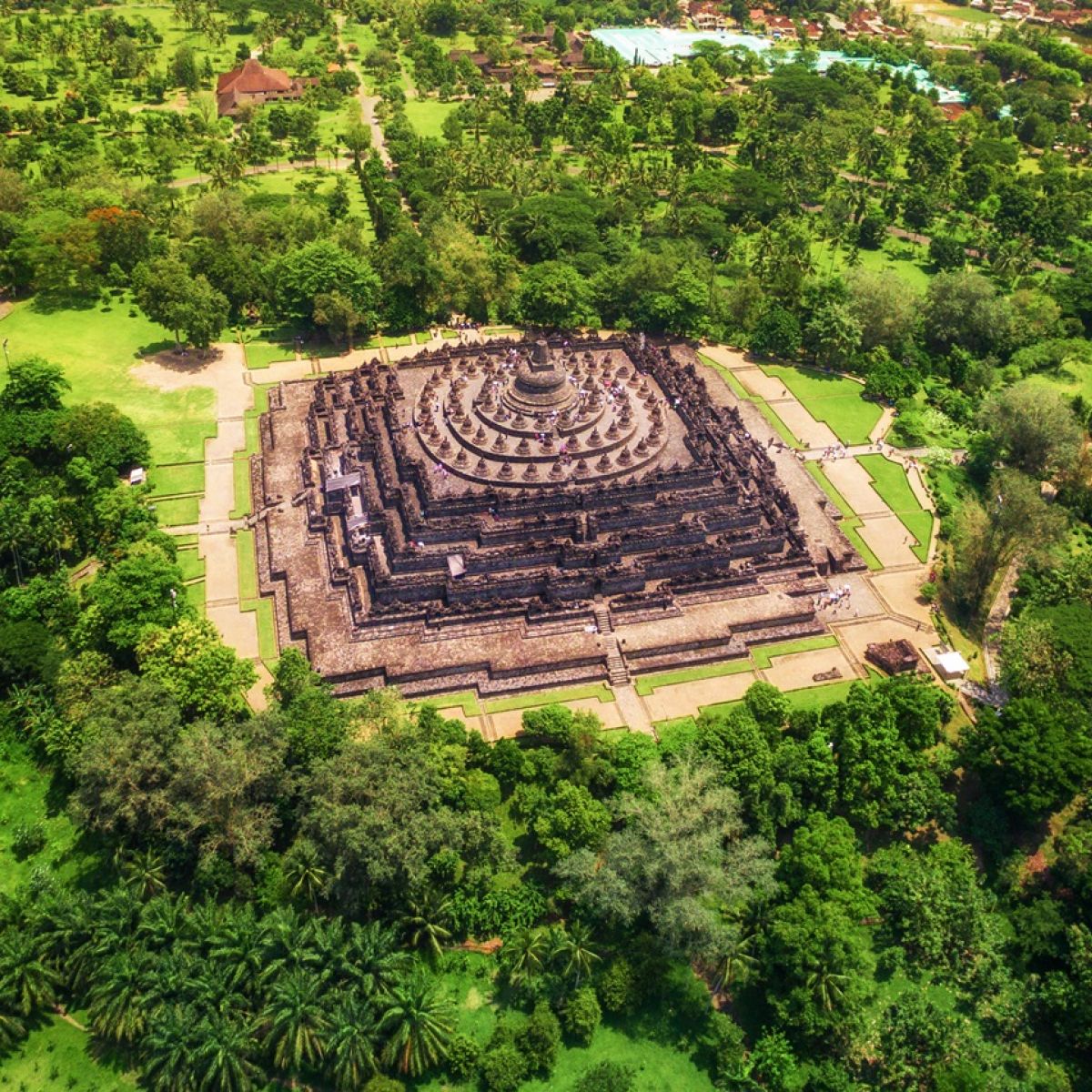
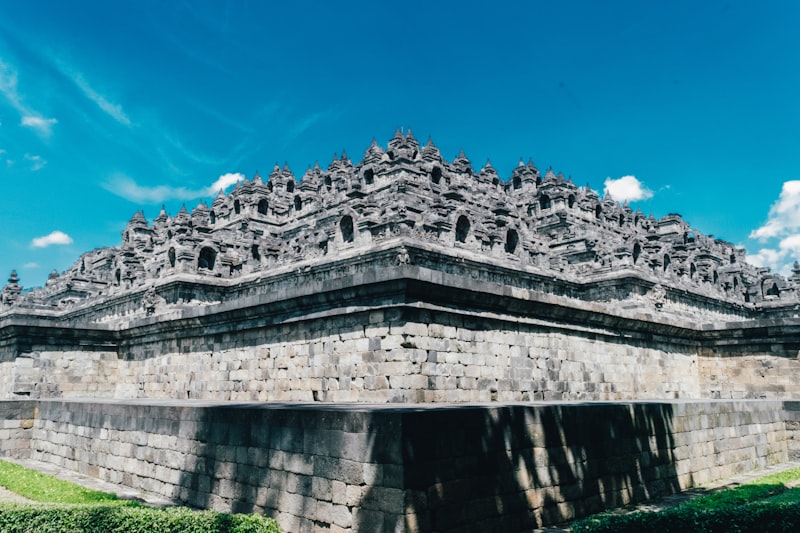
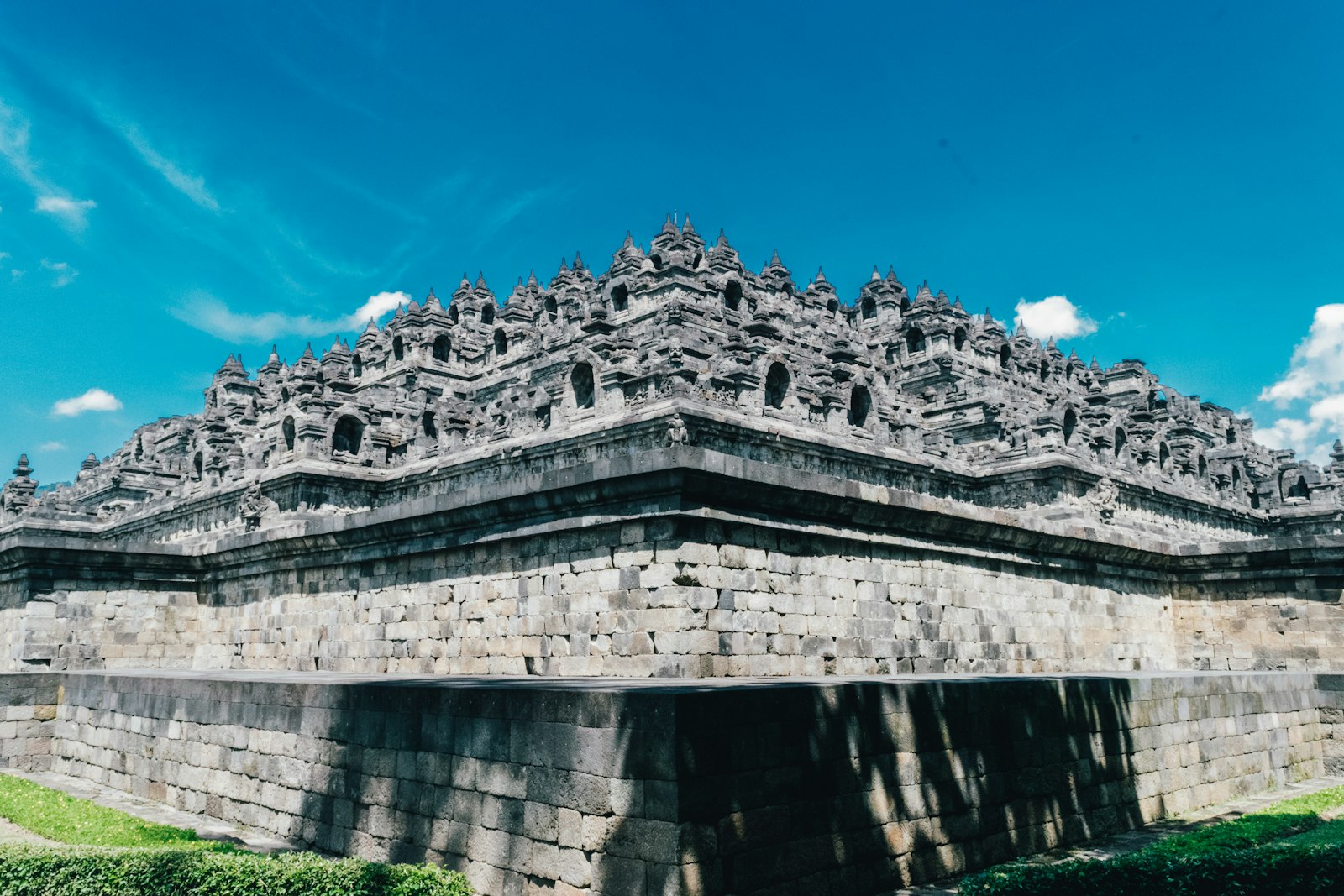
Most packing lists for Borobudur are written by people who have not been to it, and they tend to lead with hiking boots and a heavy daypack. Both are wrong here. This list starts from the three conditions that actually shape what you carry: a 35-metre stone monument with no shade whatsoever, a bag-size rule that will send anything over three litres to a locker at the bottom, and a mandatory change of footwear at the base.
If you only read one section, read What actually goes in the bag and The three rules that catch everyone. The rest is detail.
The three rules that catch everyone
Rule one: the bag limit is real and it is small. Backpacks over roughly three litres are left at the base of the structure. There are free lockers, but they are small, and they are communal. If you are travelling as a pair, one person can hold the larger bag. This single rule eliminates most of what a tourist pack contains: the large water bottle, the camera bag, the spare layers, the snacks.
Rule two: you change shoes, and you need a bag for your own. The site issues woven pandanus sandals called Upanat, sized at a counter. You walk from the ticketing area to the base in your own shoes, swap, climb, and swap back at the exit. The sandals are yours to keep afterwards. This is not a rule about protecting the stone stairs from hard soles, which is the stated reason, though it is also why the steps are kinder than they would otherwise be. The practical consequence is that you need somewhere to put your shoes.
Rule three: nothing goes on the structure except water and your body. No tripod, no selfie stick, no food, no drink other than water. A free batik sarong is handed out at the gate if your shoulders and knees are not covered.
The heat is the thing to pack for
The monument is roughly 35 metres of andesite with no shade at all, and the stone holds the morning’s heat. Heat exhaustion by eleven o’clock is not a scare story; it is the most common complaint among visitors who climb later in the day. Three consequences for what you carry.
Water. More than you think. There are water stations near the entrance, so you can top up rather than carry a litre, but you should not start the climb with an empty bottle. The catch is the size limit, so a one-litre bottle is a compromise: full at the entrance, then refill on the way out.
Cover the neck and the arms. A wide-brimmed hat is more effective than sunglasses, because the monument’s worst heat load is direct overhead sun on an uncovered head and neck. A shirt with sleeves is worth more here than a vest.
Take it slowly. The climb is not a fitness test. If you feel the heat building, sit on a step, drink, and wait. Nobody is timing you and the platform at the top is not going anywhere.
The collection below, and why each item earns its place
Footwear. You want shoes comfortable for a twenty to thirty minute walk on hot paving and gravel, because that is the approach. Not trail boots; they are dead weight on smooth stone. If you are also doing a dawn start on the Punthuk Setumbu approach road, that changes: the track is steep, narrow and unlit, and grip matters. Two different walks, two different shoes, and it is reasonable to bring both.
A pack. Because of the three-litre rule, the pack itself is the decision. A twenty-litre pack is the wrong tool for the monument but the right tool for a day that includes a waterfall, a village, and a walk back to a car. A foldable fifteen-to-eighteen-litre pack collapses once you are through the base and is much easier to fold away while you are wearing the sandals.
A layer. A merino or cotton long sleeve does two jobs: sun coverage in the morning, and warmth on the shaded approach at seven in the evening when the stone has cooled again. Merino is worth preferring over synthetics here for a specific reason — it does not hold odour, so it survives being worn through a hot day and a humid night without becoming a problem at close quarters in a shared queue.
Rain. Convective rain means a clear sky is not a forecast. A packable shell in a jacket pocket weighs almost nothing and covers the case where the downpour arrives at the same moment you reach the top and you have to sit on a stone step for twenty minutes waiting it out.
A headlamp. Not for the monument, which is lit. For the Punthuk Setumbu dawn approach, which happens on an unlit road. A wide beam is more useful than a bright narrow one on an unpaved track, and a red mode matters more than it sounds: it preserves night vision so you can still see the ridgeline when you arrive at the viewpoint.
Insect repellent. Borobudur sits in rice country with standing water in the surrounding paddy system, and mosquitoes are the reason many people scratch for a week after a visit rather than the reason they are tired. A picaridin-based repellent is the practical choice over a strong DEET formula for a day of walking around an open compound, because the odour carries less on public transport.
A water bottle. One litre, wide mouth, and refill at the stations rather than buying bottled water on site. That is the whole of it, but the bottle is also the object most likely to be confiscated and least likely to be replaced if it is not in your bag.
What actually goes in the bag
For a Structure Climb ticket, this is the realistic packing list, and it fits inside a three-litre limit:
- One litre of water in a wide-mouth bottle
- A wide-brimmed hat
- Sunscreen, applied before you arrive and reapplied at the exit
- A long-sleeve layer
- A foldable rain shell
- Your phone, and a small amount of battery
- A packable water bag for the shoe swap
- A sarong is provided, so do not bring one
- A water bottle for the sandals you keep
That is it. Everything else stays in the locker, in the car, or with the person who came with you.
What not to bother with
Hiking boots. Covered above. Worse, they make the swap at the base slower and harder.
A large camera bag. Over three litres and it stays at the bottom. A body with one short lens fits in a waist pack.
A portable power bank. Also over three litres, almost certainly, and also worth leaving behind.
A drone. Prohibited at the temple, requiring a government permit, and flight directly over the structure is banned outright. Do not bring one expecting to use it.
A full-size tripod. Banned on the structure. Useful in the lower park, where you will be working at ground level anyway.
Cooling towels and festival gear. Mostly marketing. A wet bandana and water do the same work for a fraction of the volume.
The ticketing and rules detail, in one place
Prices, hours and prohibited items are all covered properly in the Borobudur tickets and Structure Climb guide and the Borobudur rules and etiquette guide. Read the tickets page before you travel: the climb window moved recently and a great deal of published information is out of date.
For the timing question specifically, the first morning session is the answer, and the reason is thermal rather than aesthetic. Nine in the morning on volcanic stone is already hot by mid-morning. If you want the monument to yourself and the temperature to cooperate, the earliest slot is the only one that gives you both.
A short version for the day before
If you are packing the night before, this is the checklist:
- Lightweight long sleeve, breathable
- A pair of shoes for a hot walk
- A small bag for the shoe swap
- A foldable rain shell
- A hat with a brim
- Sunscreen
- A one-litre bottle
- A headlamp if you are doing a dawn viewpoint
- Repellent
Everything else can be bought or borrowed in Magelang, and if it cannot, you will not have missed much.
One honest caveat
This is a specification-first list, not a test report. We have not walked up the structure with each product below. What we have done is work backwards from the site’s own published rules and from the physical conditions — a 35-metre stone monument, no shade, a three-litre limit, a mandatory sandal swap — and describe what has to be true of a product to solve each one. Follow the links to see current listings and compare across brands yourself. The reasoning is the part worth trusting; the listing is an example.
What to look for, and where to look
Criteria first. Follow a link to see a concrete example of each product type, or browse the category to compare brands yourself.
Bags
-
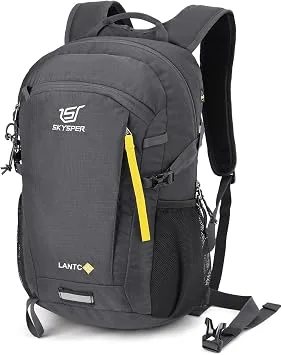
20L hiking daypack with padded strap and side bottle pocket
Carries the small bag you swap into shoes for, without becoming the bag you have to leave at the temple gate.
What to check
- 20L or under, because anything larger gets left in a locker
- A padded, breathable shoulder strap, not a webbing strap
- An external pocket that holds a 1L bottle upright
- A flat top that will sit on a wet stone step
The 3-litre bag limit at the Borobudur base is the single most common packing mistake. This size clears it without feeling bare-handed.
-
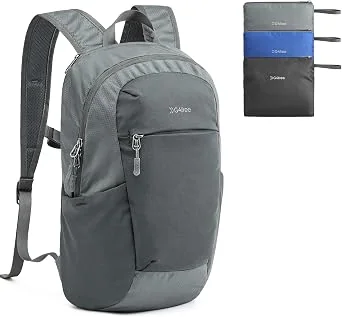
18L packable daypack that folds into its own pocket
For the traveller who did not think far enough ahead to buy a bag before the flight.
What to check
- Packs into itself, so it takes up no luggage space
- When unfolded it still has a padded strap and a closed lid
- A zipped main compartment, not a drawstring only
A reasonable emergency bag for Magelang, where buying a replacement locally is not always straightforward.
Rain gear
-
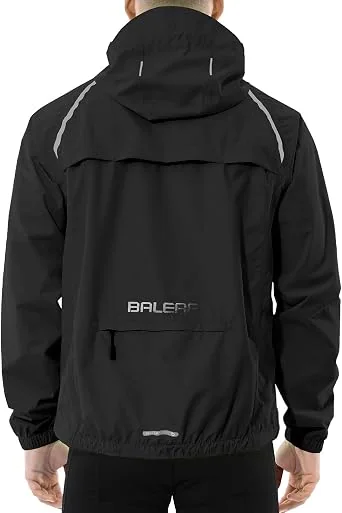
Lightweight packable windbreaker with taped seams
A cheaper, lighter layer that handles drizzle and wind but not sustained heavy rain.
What to check
- A stated waterproof rating, so you know which jobs it can do
- Fully taped seams, not only a coated fabric
- Elastic cuffs and a drawcord hem, which stop the rain running down your arms
Useful as a packable top layer for highland wind at Ketep Pass and Andong, where drizzle is more common than downpour.
Lighting
-
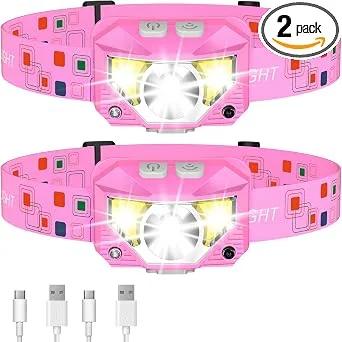
Wide-beam headlamp, two-pack
When a wide field of view matters more than reach, such as reading a path marker or a stall price board.
What to check
- A wide flood beam, because a narrow spot beam is useless for anything under your feet
- Two in a pack, so one can live in the bag and one can be worn
- A tilt mechanism, so you can aim it while wearing a cap
Two per household also solves the shared-battery problem when a group splits up for the night.
Hydration
-
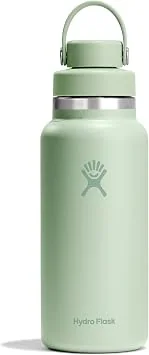
1L insulated stainless steel bottle, wide mouth
For the Borobudur climb, where you cannot drink once you are on the structure.
What to check
- A 1L capacity, which still leaves room for a bag in the same pocket
- Double-wall vacuum insulation, because uninsulated water in Central Java is unpleasant within an hour
- A wide mouth, so it can actually be cleaned rather than merely rinsed
- A narrow drinking spout, so it does not slop down a shirt while you are climbing stairs
Drinking is not permitted while on the Borobudur structure. You fill up at the entrance water stations and carry the bottle the entire way up and down.
Health
-
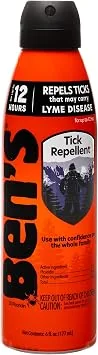
Picaridin insect repellent spray
The option to carry when you would rather not use DEET on skin every morning.
What to check
- Picaridin rather than DEET, which is a genuinely different active ingredient rather than a weaker version of the same one
- A water-resistant formula that does not wash off as quickly in humidity
- A size that fits in a hand-luggage liquids allowance if you are flying
Worth carrying as a backup rather than a replacement, because effectiveness against different biting insects varies and nobody tests that on themselves in advance.
Clothing
-
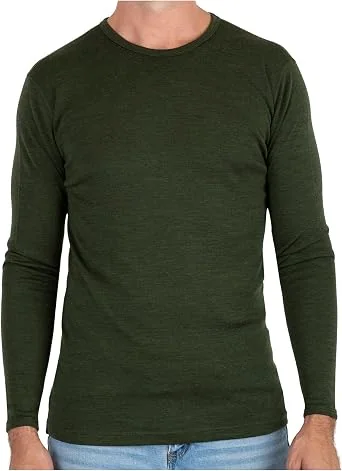
100% merino wool midweight long sleeve base layer
The layer that makes a 1am start and a 6am summit tolerable.
What to check
- 100% merino wool, not a cotton blend, because cotton stays wet
- Midweight rather than heavyweight, so it is not too hot in the tropical morning
- A fine micron count, because a coarse wool against damp skin is misery
Merino is the reason a long walk at a 1,700m summit is possible at dawn. Synthetic layers dry faster; merino does not smell after a long day.
Footwear
-
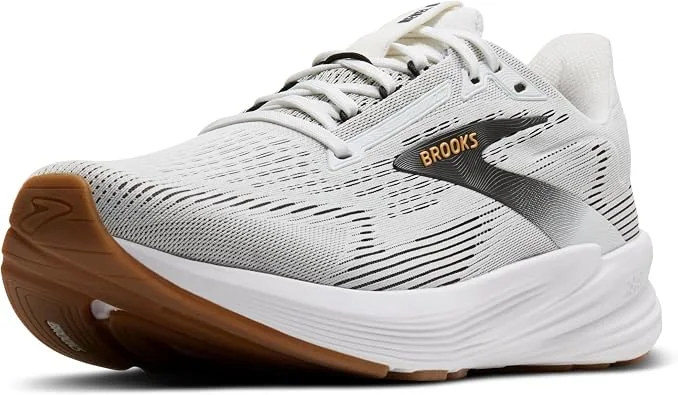
Cushioned walking shoe with a defined rubber outsole
For temple floors, polished stone and the long souvenir-stall walk out of Borobudur.
What to check
- A rubber outsole with a defined tread pattern, not a smooth foam sole, because smooth soles become slick on wet stone
- A firm heel counter that holds the foot, since the Borobudur stairs are steep and uneven
- Cushioning good enough for a full day without being so soft that you feel every step on stone
The single biggest footwear risk in Magelang is polished temple stone after rain. In this weather a smooth-soled sneaker is worse than a sandal, not better.
Links open Amazon. We are not the seller and we do not handle the order. A purchase changes nothing about what this site recommends. How this works.
Sustainable Tip
Skip the disposable sunscreen layer and carry one bottle. Refill stations at the entrance mean you do not need to buy water on site, and a single bottle is lighter than three.
Family Tip
Bring a hand fan, not just water. A sun hat that fits a small child and stays on in a crowd matters more than any gadget, and plan a shaded indoor activity for after eleven o'clock.
Frequently asked questions
Do I need hiking boots for Borobudur?
No, and they may actively work against you. Inside the inner compound you wear woven pandanus sandals called Upanat, which the site issues by size. On the approach you wear your own shoes over possibly uneven ground. So you need shoes comfortable for a 20 to 30 minute walk on hot paving and gravel, plus a bag to hold them in. Anything with a heavy aggressive tread is dead weight for the monument itself, though it matters if you are also walking the Punthuk Setumbu approach in the dark.
Can I take a backpack to the top of the temple?
No. Backpacks over roughly 3 litres are left at the base, where free lockers are available but small. Plan to carry only what fits in a small daypack or a waist pack: water, a hat, sunscreen, your phone, and a thin layer. Everything else waits at the bottom or goes home with whoever came with you.
What should I wear so I do not get turned away at the gate?
Cover your shoulders and your knees. That is the whole of it, and it is etiquette rather than a published dress code, because no formal code has been published. If you arrive in something that does not meet it, staff hand you a free batik sarong at the gate, which is a normal and unembarrassing outcome. Light colours are preferred locally but not required. Avoid high heels for the stone stairs.
Is there water available inside the temple complex?
Water is the one thing you are allowed to carry beyond the inner threshold, and there are water stations near the entrance where you can fill up. No other food or drink is permitted inside. Carry more than you think you will drink, because the monument is a stone staircase in full sun with no shade and no seating.
Do I need a tripod or a selfie stick?
Neither is allowed on the structure. Both are permitted in the grounds, where there is far more room and the monument reads properly in a wide frame. If you want a long lens or a tripod shot, plan it from the lower park or the surrounding galleries rather than the summit platforms.
What is the single most useful thing to pack?
A small bag for the shoe swap. You will arrive in your own shoes, change into Upanat sandals at the base, walk up, and change back at the exit. Without somewhere to put your shoes you end up carrying them, which is unpleasant on the exit walk. A tote or a small daypack solves it.
Should I pack for rain even in the dry season?
Yes. Rain in Central Java is convective, so a bright morning says very little about the afternoon, and it can arrive anywhere from the beginning of November to the end of March. A light packable shell is cheap insurance and weighs almost nothing. Read our rainy season guide for the seasonal picture.
Is there a dress or clothing code for entering the structure?
No formal code has ever been published, and what is enforced is simply covering shoulders and knees. One practical note that catches people: you spend a long time in a warm stone enclosure walking slowly, so breathable clothing matters more than coverage-heavy clothing. A loose merino or cotton layer that keeps the sun off your neck and arms without trapping sweat is the sweet spot.
Tourism information — including opening hours, entrance fees, and transport routes — may change. Please verify with official local sources before planning your visit.
Sources and further checks
Use these primary or specialist sources to confirm current access rules, safety notices, and travel arrangements.

About the Author
Larasati Wulandari
Independent travel writer · Central Java, Indonesia
Larasati Wulandari is an independent travel writer who has lived in Central Java for eight years. She writes first-hand, practical guides to Magelang's temples, viewpoints, and local food, and reviews them regularly as conditions change.