 Save
Key facts at a glance
- Distance
- About 3 km east of Borobudur, in the Menoreh Hills
- Elevation
- Roughly 1,000 m above sea level
- What you see
- Borobudur in its wider valley setting, layered hills, and morning mist
- Ticket required
- No — this is the cheap dawn view, distinct from on-monument sunrise
- Typical time needed
- 1 to 2 hours including the walk and waiting for light
- Ground
- Uneven, sometimes steep paths; footwear with grip matters
- Biggest risk
- Pre-dawn driving on an unfamiliar hillside road in low light
Figures change without notice — treat this as a planning summary and confirm against the sources listed below.
Punthuk Setumbu is a hill viewpoint in the Menoreh Hills, roughly 3 km east of Borobudur, at about 1,000 metres elevation. It is chosen for one reason: from here, Borobudur is seen not as a monument you are standing in, but as a shape in a wide green valley with layered hills and volcanoes behind it.
It is also the subject of the site’s most persistent myth, which this guide exists to correct. Punthuk Setumbu does not guarantee a sunrise view. Some mornings you get the photograph everyone comes for. Other mornings you get cloud, and you have walked up a hill at 5am for a grey sky.
Three different “sunrises” — be clear which one you want
This is the single most useful thing to understand before booking anything.
1. Dawn at Punthuk Setumbu. A hill outside the site, roughly 3 km from Borobudur. No ticket required, no booking, small local fee if anything. You stand on a hillside and look at Borobudur in the distance. This is what this guide covers, and it is what almost all “Borobudur sunrise” tour packages actually mean.
2. Ordinary morning entry to Borobudur. You pay the standard admission, enter during normal opening hours, and climb or walk the monument in daylight. Many visitors assume this includes a special sunrise view. It does not.
3. On-monument sunrise. A separate, expensive, strictly limited product run through the Manohara Borobudur Cultural Center, with access around 04:00–04:30, a cap of roughly 100 people, and a price in the region of IDR 1,000,000 for international visitors. If this is what you want, the Borobudur sunrise guide and the tickets and climb guide cover it properly.
Punthuk Setumbu is option 1. It is not a cheaper version of option 3 — it is a different experience with a much wider range of outcomes.
What you can and cannot expect
Being clear about this is the difference between a good morning and a bad one.
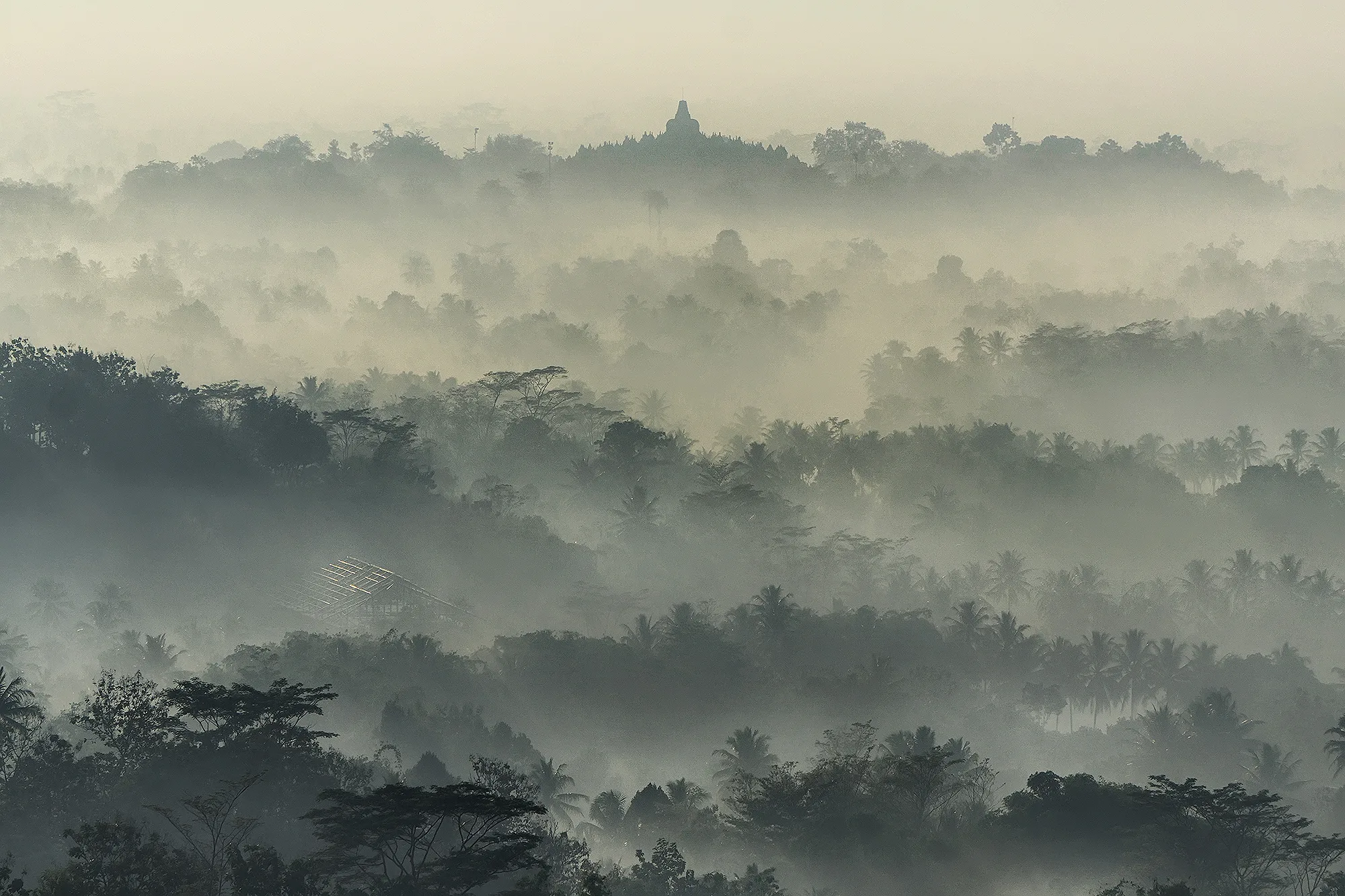
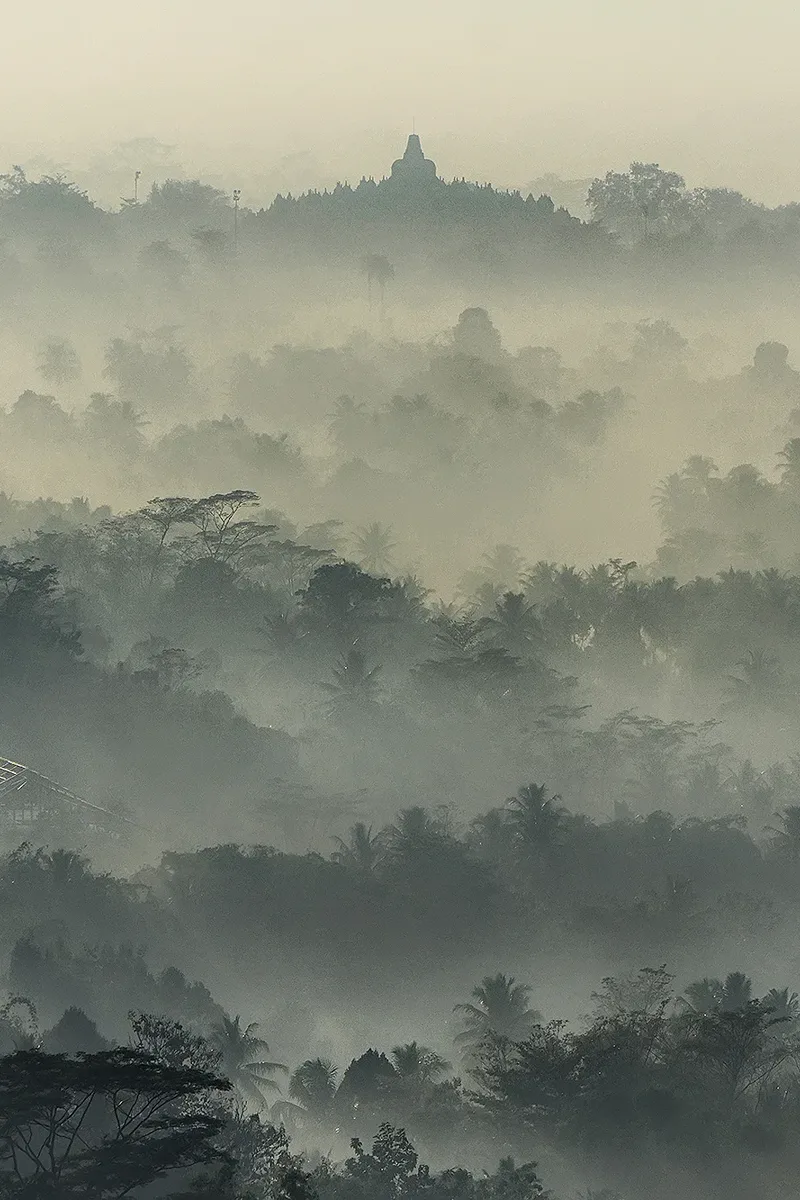
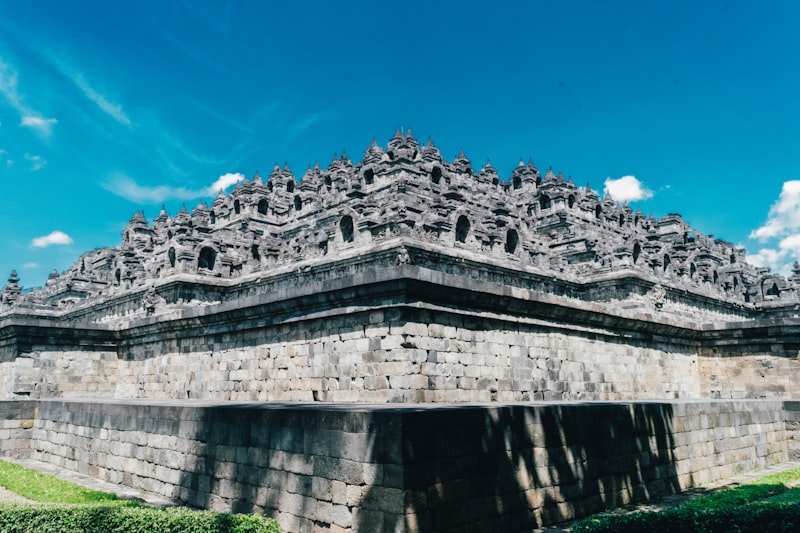
Conditions decide, not reputation. Cloud, mist, rain, haze, and smoke all affect what you see. The image on this page is one morning. It is not a forecast for your date.
The mist is the point as much as the light. Many of the best frames from this hill show Borobudur partly veiled, with the volcano ridgeline above it. If you are hoping for a crisp, fully clear shot of the temple, you may be disappointed even on a morning locals call good.
You are photographing a distance. At roughly 3 km, Borobudur is a silhouette in a landscape. If your goal is architectural detail, this is the wrong place — that means being on the monument.
Sunrise direction matters. Borobudur lies roughly east of the viewpoint, so the first light does what you expect. Mid-morning haze can reduce contrast, so the clearest views are often in the first hour after dawn rather than at the exact moment the sun clears the horizon.
You may share the hill. Sunrise here is popular with visitors and with local residents who come for the view, so it is not an empty place. Being considerate is part of going.
Timing and getting there
Work backwards from the official sunrise time for your date. Aim to be at the viewpoint 45 to 60 minutes before sunrise — early enough to be settled before first light and before the busiest arrivals, late enough not to mean standing in complete darkness on unfamiliar ground.
The drive is short but not easy. The road climbs the hillside and is narrow, steep, and unlit in places. Two honest warnings:
- Do not rely on your phone for navigation. Signal is unreliable on the hill and the route is not obvious from a map.
- Do not attempt it in heavy rain or fog. The combination of poor visibility, oncoming traffic on a single-track road, and walkers on the verge is exactly the situation where a short trip becomes a long one.
The reliable options are a local driver, a hotel-arranged car, or a scooter if you genuinely know how to ride one on that hill. Ask your accommodation the night before — they will know the current road state.
Walking up is possible and gives you the walk-in experience, but it is a steep climb on uneven ground and takes much longer than the drive. In daylight with good footwear it is a good choice. Pre-dawn in the wet, it is not.
Safety in low light
This is a hillside, in the dark, with uneven ground and other people around you.
Wear footwear with real grip — sandals and smooth-soled shoes are genuinely hazardous on wet grass and loose stone. Carry a warm layer and a rain shell even if the forecast looks clear; hilltops are colder and windier than the valley below. Bring a headtorch rather than using your phone light, so you are not shining a screen in other people’s eyes.
The what to wear and pack for Borobudur guide explains the headlamp detail that matters most in the dark — why a wide beam plus a red mode is the useful specification, and why phone light is worse than it looks — as well as what to wear on the climb afterwards.
Keep your group together, particularly around slopes, steps, and edges. If lightning, heavy rain, poor visibility, or any local warning affects the morning, leave or change the plan. Turning back is always available and always the right call.
Bring water. Refill rather than buying a plastic bottle if you can find a spot that allows it.
Decide your fallback before you leave
This is the most practical advice on this page.
Before anyone gets in the car, agree on what happens if it is overcast. Options that work well in poor weather:
- Mendut — the temple you can walk inside, with three large seated Buddhas. See the Mendut temple guide.
- The Wanurejo craft village — batik and rengginang workshops that are indoors, so light rain does not stop them. See Wanurejo village.
- Borobudur in daylight — slower, warmer, and often more rewarding than rushing a structure climb. See the Borobudur temple guide.
- A long breakfast and a late start.
The rainy season guide covers this properly if your dates fall between roughly November and March.
Being considerate on a shared hill
Arrive quietly and make room. This is a public viewpoint with local people using it, not a private photography studio.
Avoid amplified music, and do not use drones or bright lighting without clear permission — drones are also restricted around heritage and aviation areas. Do not step beyond marked or safe areas for a photograph, particularly near edges.
Carry out all food and drink packaging. Bring snacks in a portion you can finish and keep the waste with you until you find a bin. A single plastic bottle left on a hill at dawn stays there.
Pair it with a realistic rest of the day
After a pre-dawn outing, do not automatically schedule the most demanding activity next. A slow temple morning, a flexible viewpoint like Ketep Pass if the cloud clears, or simply food and rest will serve you better than chaining several demanding stops.
These same hills have one other oddity worth knowing about before you leave: about 3 km away on the Bukit Rhema rise is Gereja Ayam, the unfinished bird-shaped prayer house nicknamed the Chicken Church. It is a short walk or ride from the base of this hill and takes about twenty minutes, so it slots naturally into the hours after you come back down. If you came here for the sunrise, come back for the shape.
If you are staying nearby, the where to stay near Borobudur guide is worth reading before you pick a base — where you sleep determines how easy a 4am departure is. The one-day itinerary and two-day itinerary both incorporate a dawn start if you want the full structure. The sustainable travel guide covers waste, noise, and local spending.
Verify all current access, parking, and any local fees shortly before travel — arrangements here change more often than most visitors expect.
Gear this page assumes you already have
If you have not assembled this yet, the specs matter more than the brand. Follow a link for an example, or compare the category.
Lighting
-
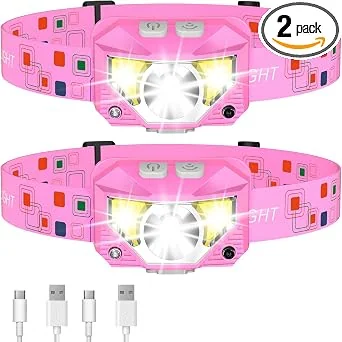
Wide-beam headlamp, two-pack
When a wide field of view matters more than reach, such as reading a path marker or a stall price board.
What to check
- A wide flood beam, because a narrow spot beam is useless for anything under your feet
- Two in a pack, so one can live in the bag and one can be worn
- A tilt mechanism, so you can aim it while wearing a cap
Two per household also solves the shared-battery problem when a group splits up for the night.
Rain gear
-

Lightweight packable windbreaker with taped seams
A cheaper, lighter layer that handles drizzle and wind but not sustained heavy rain.
What to check
- A stated waterproof rating, so you know which jobs it can do
- Fully taped seams, not only a coated fabric
- Elastic cuffs and a drawcord hem, which stop the rain running down your arms
Useful as a packable top layer for highland wind at Ketep Pass and Andong, where drizzle is more common than downpour.
Footwear
-
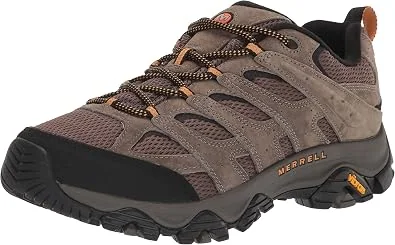
Hiking shoe with a lugged outsole and a reinforced toe
For Mount Andong, where pine litter gives way to loose savanna gravel without warning.
What to check
- A lugged outsole, because wet savanna gravel and a smooth sole do not mix
- A reinforced toe, since rock and root are common on the upper mountain
- A mid-height collar that still lets your ankle move on a controlled descent
Andong is a hill walk rather than a technical hike, but the upper sections are loose enough that grip matters more than ankle support.
Bags
-
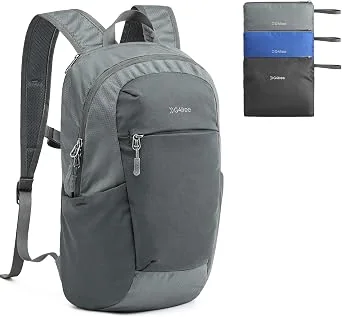
18L packable daypack that folds into its own pocket
For the traveller who did not think far enough ahead to buy a bag before the flight.
What to check
- Packs into itself, so it takes up no luggage space
- When unfolded it still has a padded strap and a closed lid
- A zipped main compartment, not a drawstring only
A reasonable emergency bag for Magelang, where buying a replacement locally is not always straightforward.
Hydration
-
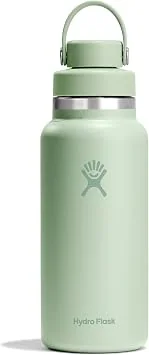
1L insulated stainless steel bottle, wide mouth
For the Borobudur climb, where you cannot drink once you are on the structure.
What to check
- A 1L capacity, which still leaves room for a bag in the same pocket
- Double-wall vacuum insulation, because uninsulated water in Central Java is unpleasant within an hour
- A wide mouth, so it can actually be cleaned rather than merely rinsed
- A narrow drinking spout, so it does not slop down a shirt while you are climbing stairs
Drinking is not permitted while on the Borobudur structure. You fill up at the entrance water stations and carry the bottle the entire way up and down.
Links open Amazon. We are not the seller and we do not handle the order. A purchase changes nothing about what this site recommends. How this works.
Sustainable Tip
Bring a refillable bottle and keep every scrap of packaging with you. Quiet dawn viewpoints need less noise and less litter, not more equipment. Do not drive up for a photo opportunity and generate a traffic jam for the people who live on the hill.
Family Tip
Decide in advance whether your group is comfortable with a pre-dawn start and uneven ground. A daytime heritage plan is a better option when it is not, and Mendut or Borobudur in daylight will please most children more than a cold hill at 5am.
Food Note
The name means 'a thousand buds'. The view is not of a single temple but of Borobudur sitting in a wide valley with three volcanoes on the horizon — the shot is about the landscape, not the monument.
Frequently asked questions
Do you need a ticket for Punthuk Setumbu sunrise?
No. Punthuk Setumbu is a public hill viewpoint and dawn viewing there does not require a Borobudur ticket. This is what makes it the cheap alternative to the on-monument sunrise experience, which costs far more and requires advance booking.
How far is Punthuk Setumbu from Borobudur?
About 3 km east of Borobudur, in the Menoreh Hills. It is close enough to combine with a morning heritage visit, though the roads are steep and narrow in places.
Is Punthuk Setumbu worth the early start?
It depends entirely on conditions. When the mist clears you get Borobudur seen in its wider landscape with layered hills behind it, which is a different and often more atmospheric view than being on the monument. When it is overcast you get cloud. Treat it as a bonus, not a guarantee.
What time should I leave to reach Punthuk Setumbu before sunrise?
Aim to be at the viewpoint roughly 45 to 60 minutes before sunrise so you are settled before first light and before the crowd builds. Work backwards from the official sunrise time for your date, and add time for the steep road.
Is it safe to drive there in the dark?
It is done every morning by locals and visitors, but it is not trivial. The road is narrow, steep and unlit in places, and visibility is poor before dawn. Use a known route or a local driver, do not rely on your phone for navigation, and do not attempt it in heavy rain or fog.
Can I walk up to Punthuk Setumbu?
Some visitors do, but it is a steep climb on uneven ground and takes considerably longer than the drive. It is worth it if you want the walk-in experience and you have the time and footwear. Not worth attempting pre-dawn in the wet.
What if the weather is bad — is there an alternative?
Yes, and you should decide in advance what the fallback is. Mendut is enterable and works in poor weather, the Wanurejo craft village has indoor batik workshops, and a slower temple morning at Borobudur is often better than a wasted climb. Decide before you leave so nobody is standing in the rain at 5am.
Is Punthuk Setumbu suitable for children or older visitors?
It depends on your group. The pre-dawn start and the uneven ground are the challenges, not the walk itself. Children who are happy waking early usually do well because the view is exciting. Anyone with balance issues, poor night vision, or no tolerance for a cold pre-dawn wait is better served by a daytime heritage plan.
Tourism information — including opening hours, entrance fees, and transport routes — may change. Please verify with official local sources before planning your visit.
Sources and further checks
Use these primary or specialist sources to confirm current access rules, safety notices, and travel arrangements.

About the Author
Larasati Wulandari
Independent travel writer · Central Java, Indonesia
Larasati Wulandari is an independent travel writer who has lived in Central Java for eight years. She writes first-hand, practical guides to Magelang's temples, viewpoints, and local food, and reviews them regularly as conditions change.