 Save
Key facts at a glance
- The main giveaway
- Single-use plastic bags at almost every food stall
- The easiest win
- Carry a tote and refuse the plastic bag
- Tap water
- Treat it; do not drink untreated
- Where you already fund conservation
- Borobudur and Prambanan entrance fees
- A guide you are paying for
- The licensed local guide required at Borobudur
- Water you can refill
- Bring your own bottle, ask before expecting
- The rule nobody enforces
- Etiquette at the quiet village temples
- Highest-impact day
- The one you drive least
Figures change without notice — treat this as a planning summary and confirm against the sources listed below.
Sustainable travel in Magelang means making practical choices that reduce waste, respect living cultural sites, and leave room for local communities to set the terms of a visit. It does not require a perfect itinerary. Start with the decisions that matter most: what you carry, how you move, where you spend, and when you step back.
It also helps to be realistic about what matters here. This is a region where most visitor pressure comes from cars, water bottles, and single-day route changes, not from littering or carbon-heavy flights. Optimise for the things that are actually big.
Build a Low-Waste Daypack
Carry a refillable water bottle, a reusable bag, sun and rain protection, and a way to take small items of waste with you. Download offline maps and save bookings locally so you are not dependent on paper printouts or a mobile signal.
The tote bag is the single most useful item, and the reason is specific to Indonesia: at warung, stalls, and markets, plastic bags are handed out by the handful as a default. Not because a bag is needed, but because it is what happens. Carrying your own and politely declining removes a surprising amount of waste from a single day of eating out.
Ask your accommodation or cafe before expecting a refill. Facilities and policies vary, and a polite request is better than assuming a service is available. On water specifically: bottled water is everywhere and refill stations exist, but treat tap and fountain water rather than drinking it straight from the tap.
The Plastic Problem Is More Specific Than It Sounds
It is easy to write a generic line about avoiding single-use plastic. In practice, knowing the local form makes it actionable.
The most common single item is the kantong plastik, the thin carry bag handed out with every takeaway. A tote solves it in one motion. Beyond that, bottled water is the volume problem, and food served on hard disposable plates is common at stalls where you are eating seated. Accepting what a vendor can realistically avoid is more useful than refusing something that puts them in an awkward position.
One honest caveat: offering your own container to a food vendor can land badly if it complicates their preparation or their equipment. Ask, and take the answer as the answer.
Spend With Care
Choose locally owned warungs, guides, drivers, homestays, and makers when they meet your needs. Buy directly when appropriate, ask permission before photographing people or workspaces, and agree on prices before a service begins. A small, useful purchase is generally better than bargaining aggressively for a souvenir you do not need.
If you visit a market, ask about the maker, materials, care, and packaging. These questions show interest without making assumptions about a vendor’s identity or business.
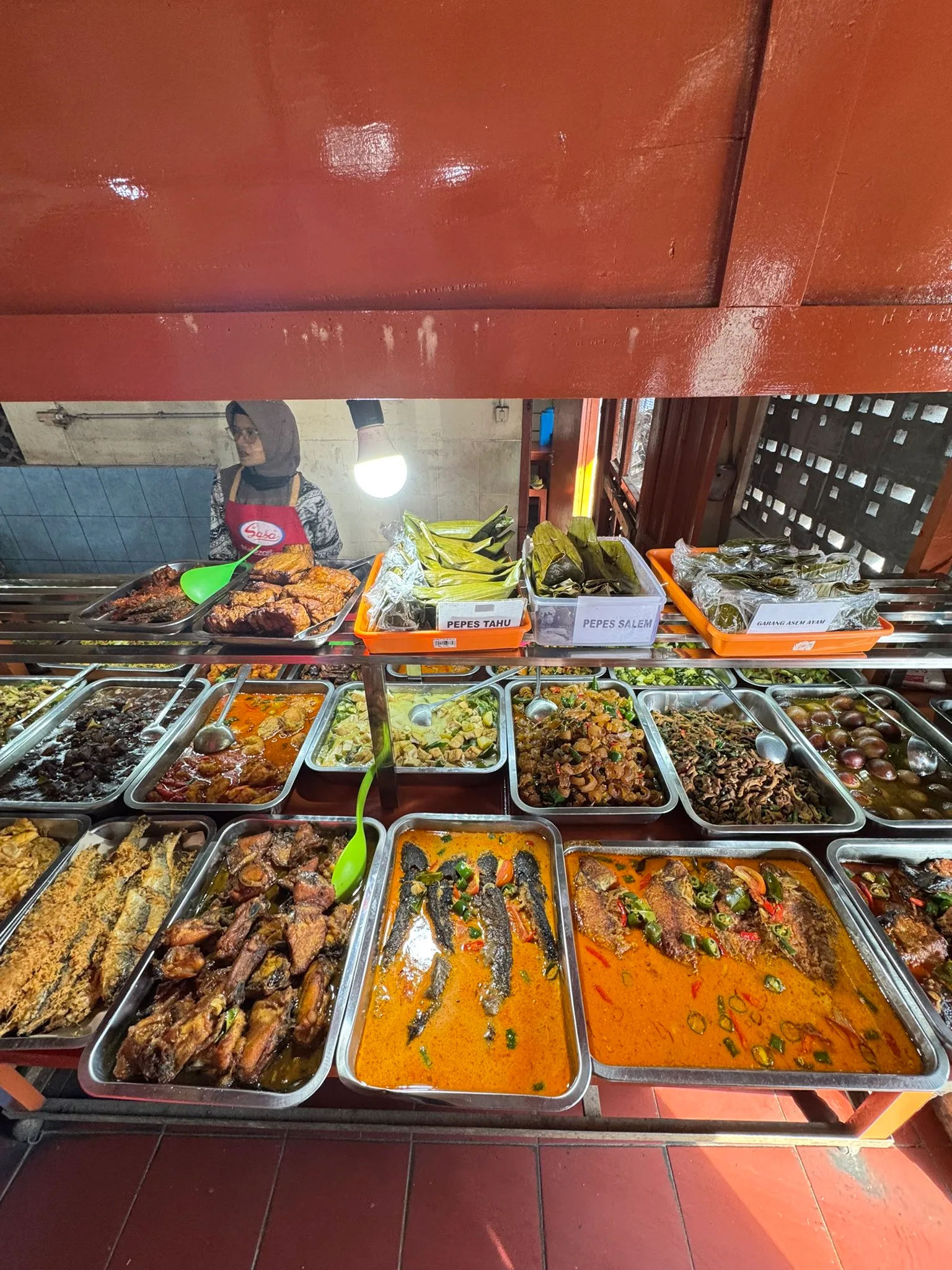
Buying craft directly from the workshop is worth the extra effort. At Wanurejo you can watch batik wax-resist work and rengginang cracker production rather than buying a finished piece from an intermediary, and you can ask about materials, which is a better purchase decision as well as a better one ethically.
Your Entrance Fee Is Conservation Funding
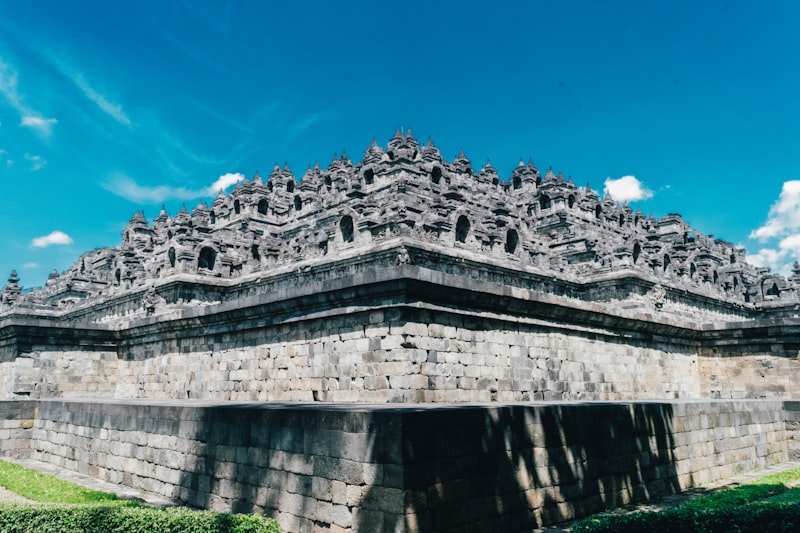
This is the part sustainable travel arguments usually miss. Borobudur and Prambanan are maintained by a state tourism operator, and admission revenue is part of how conservation, anastylosis restoration, and visitor management are paid for.
That reframes the ticket as a contribution rather than a toll. It also means the ticket rules matter to more people than you: the mandatory Upanat sandals exist because visitors’ shoes were damaging the volcanic stone stairs, and the daily climber limits exist to keep the monument survivable. Following them is not compliance theatre.
At Borobudur you also have a guide included in the Structure Climb ticket, a licensed local worker called a Pamong Carita. That is a real local job created by your visit. Tipping is optional but appreciated, and it goes to the person walking beside you rather than to the operator.
Treat Sacred Sites as Living Places
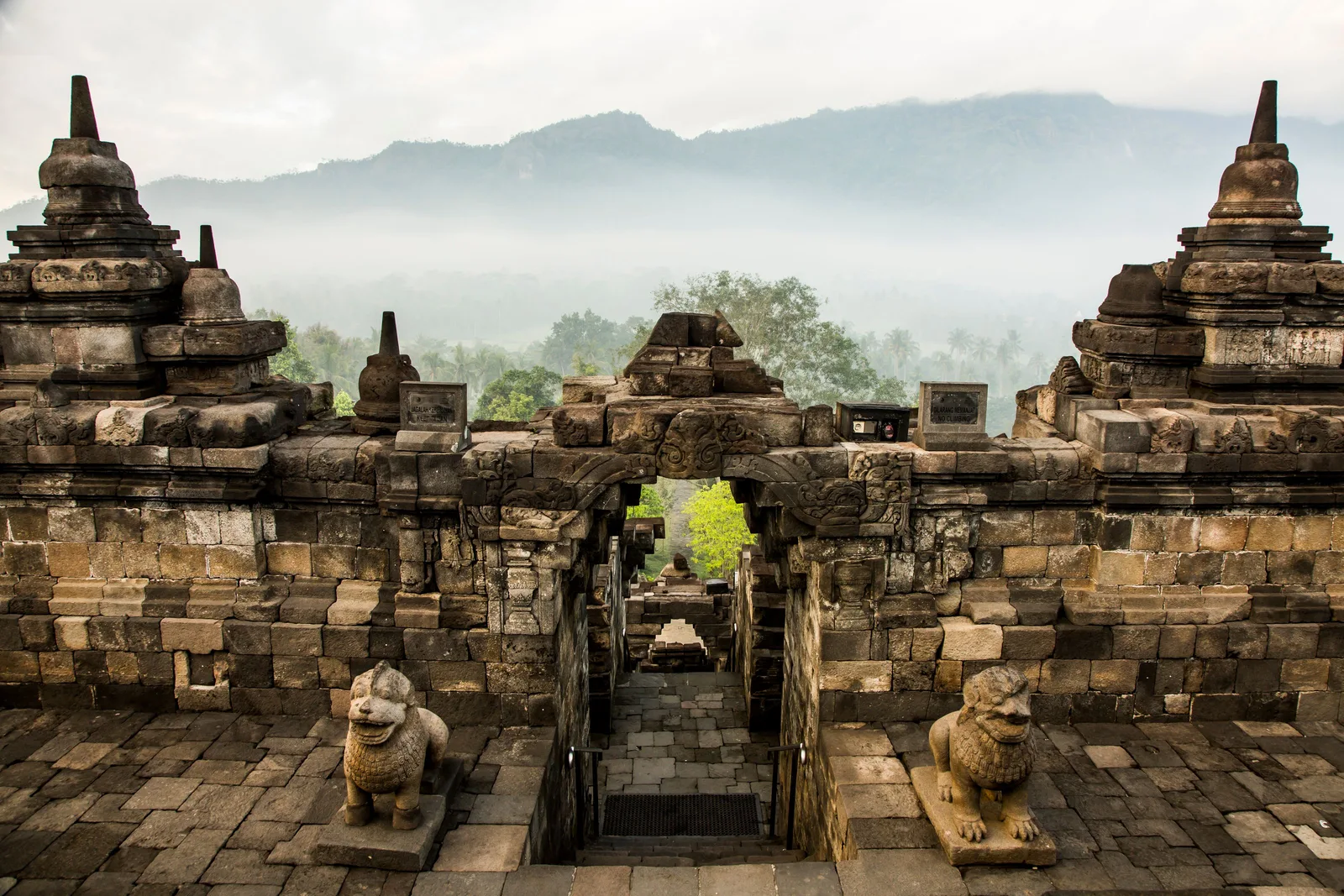
Borobudur is part of a UNESCO World Heritage property and remains culturally significant. At Borobudur, Mendut, Pawon, and other sacred places:
- Follow the operator’s current route, footwear, clothing, and photography rules.
- Keep voices low and give worshippers space.
- Do not climb, touch, or cross barriers around heritage fabric.
- Ask before photographing people, ceremonies, or private activity.
Read the Borobudur planning guide, Mendut Temple guide, and Pawon Temple guide alongside current official visitor guidance before you go.
The quieter temples need this even more, because almost nobody is enforcing it. At Candi Gunung Wukir you are walking on andesite that is no longer intact, at Candi Ngawen five temples share one compound and only one has been reconstructed, and at Candi Selogriyo the site is reached across someone’s working paddies. Candi Asu has no facilities at all, which means no water, no shade and no staff, so everything you need comes from your own bag. Treat all four as village heritage rather than as an empty ruin to climb: stay on the paths, do not step onto stone you were not invited onto, pay the local fee in cash without haggling, and take your rubbish with you.
Vesak Changes What a Visit Is
If you happen to be in the region for Waisak, the full-moon Vesak festival, you are arriving during the busiest religious event of the year in this landscape. Thousands of monks and pilgrims process from Mendut toward Borobudur, and visitor entry arrangements change substantially for that period.
The rules are simple. Dress with shoulders and knees covered. Do not push through the procession. Keep cameras down unless you have asked. If you want to photograph the ceremony, ask a monk, an organiser, or your guide rather than assuming. And accept that you are a guest at an event rather than the reason for it. Our Magelang with kids guide covers how to manage a family day around a crowd.
Move More Deliberately
Group nearby stops into one day instead of crossing the region repeatedly. Walk where pavements and heat allow; use reputable shared or local transport where it is available; and do not choose a scooter unless you are licensed, insured, experienced, and comfortable with local road conditions. Lower impact should never mean lower safety.
In a spread-out regency, cutting one long drive is worth more than every reuse habit combined. The two-day itinerary is shaped around this on purpose.
On the volcano specifically: choosing a viewpoint such as Ketep Pass, where you see Mount Merapi from roughly 30 km away rather than standing on its flank, is the lower-impact option. It is also the safer one, which is a useful coincidence. Some volcano tourism elsewhere in the region involves climbing hazards for a photograph that a distant summit view provides perfectly well.
Eat and Buy Food Mindfully
Order a portion you can finish, eat in where possible, and decline disposable cutlery you do not need. Ask about spice and allergens before ordering. Food pages on this site offer practical starting points for Getuk Magelang, Kupat Tahu, and Soto Magelang and Nasi Lesah, but vendors set their own ingredients, prices, and practices.
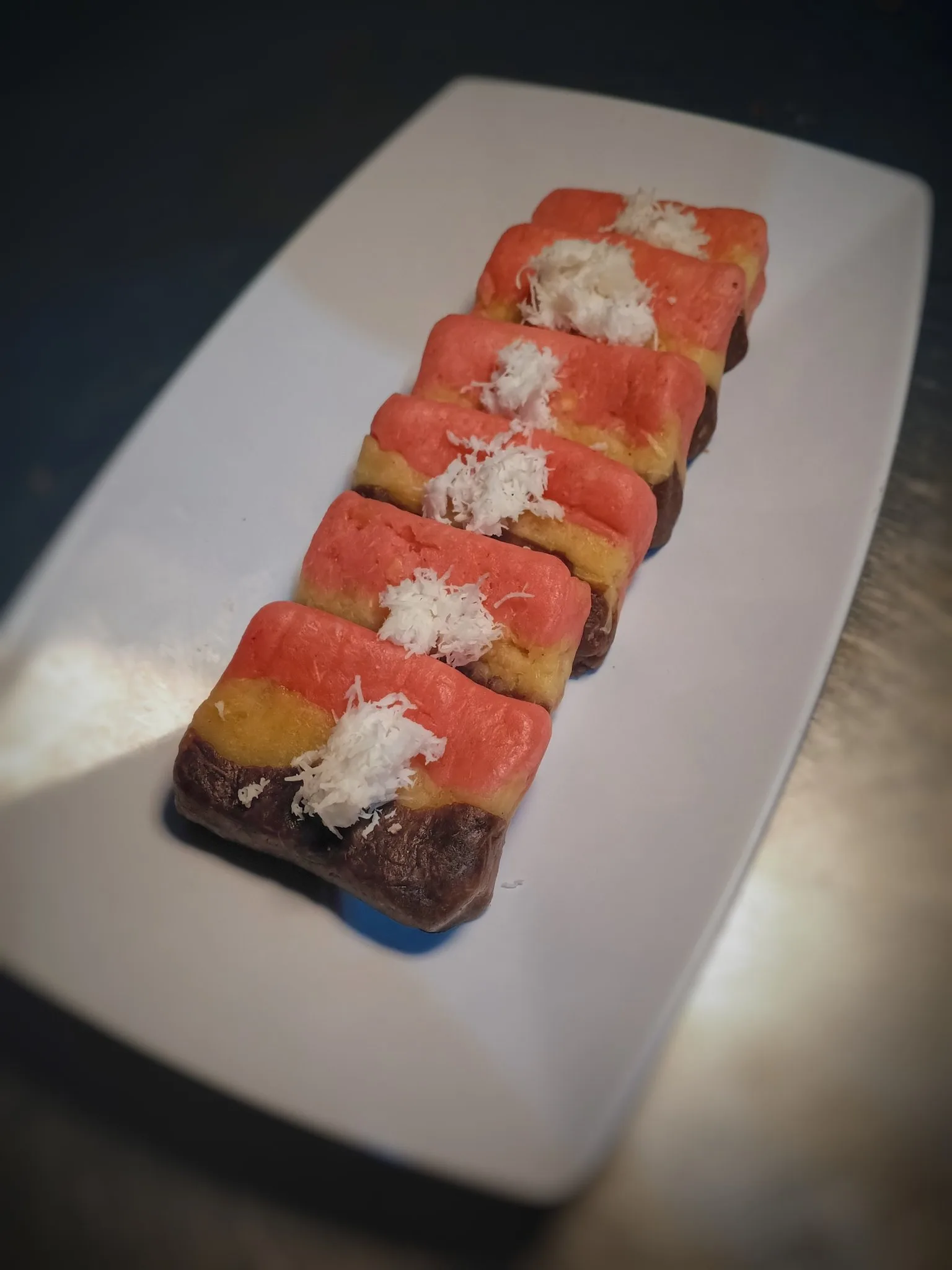
Getuk is a good example of sustainable eating that happens to be the interesting choice anyway: it is made fresh in small portions and, in its lindri form, is meant to be eaten immediately rather than packed as a souvenir. Ask about packaging when you buy it.
Photography Ethics at Living Places
This deserves its own section because it comes up constantly in this region and it is easy to get wrong.
Nepal Van Java is a village where people live and farm, not a scenic overlook. The Dusun Butuh guide covers how to visit it well, but the short version is: ask before photographing people, their homes, their fields, or their work, and accept a no without negotiating it. At the temples, ask before photographing ceremonies or anyone at prayer. If you are photographing architecture for its own sake, you are on much safer ground.
Let Weather Change the Plan
Rain, heat, and mountain conditions can alter access to viewpoints, waterfalls, and roads. Check BMKG before outdoor plans, listen to local warnings, and be willing to substitute a museum, market, or rest day. Do not force a waterfall or mountain visit during unsafe conditions.
Adding an unplanned highland or waterfall stop to a day you already had in mind is the most common way travellers end up on a bad road in bad light. Our rainy season guide sets out how to build the backup plan in advance rather than improvising it.
A Simple Checklist
Before leaving each stop, ask:
- Did I verify the current rule rather than relying on an old post?
- Did I bring out what I brought in?
- Did I ask before photographing, entering, or using a service?
- Did I keep my tote bag and refuse a plastic one?
- Did I group my stops instead of adding another drive?
- Did I leave enough time to turn back safely if conditions change?
Those small choices make a visit easier on the places and people hosting it. None of them require a large budget or a dramatic change of plan.
Sustainable Tip
Download maps and booking details before leaving Wi-Fi, carry a refillable bottle, and pack out waste when bins are unavailable.
Family Tip
Keep the family's kit simple: water, snacks in reusable containers, sun protection, and a backup layer. Ask before offering a personal container to a food vendor.
Frequently asked questions
How do I avoid plastic bags when eating out?
Carry a tote and politely decline the plastic bag with a short 'tidak pakai' or just a smile and a shake of the head. At warung and stall level, plastic bags are handed out by the handful as a default, not because they are needed.
Is bottled water unavoidable?
It is the default, but refilling your own bottle is normal once you have a bottle. Ask your accommodation or a cafe first, because facilities and policies vary. Do not drink untreated tap or fountain water.
Does my entrance fee actually help?
At Borobudur and Prambanan, yes. Those sites are maintained by a state tourism operator and the admission revenue is part of how conservation, restoration, and visitor management are funded.
Should I tip the guide at Borobudur?
The licensed local guide is included in the Structure Climb ticket, so tipping is not mandatory. It is however common and appreciated, and it goes to a local worker rather than to the operator.
Is it bad to visit during Vesak?
It is not bad, but it is a genuinely different visit. Waisak brings very large numbers of monks and pilgrims who process from Mendut to Borobudur. Expect crowding, changed entry arrangements, and a strong need for quiet and dress.
What about the volcano viewpoints?
Choosing a viewpoint such as Ketep Pass, where you see Mount Merapi from roughly 30 km away, is the lower-impact option. It also happens to be the safer one, which is a useful coincidence.
Is photography at Nepal Van Java a problem?
It can be. It is a living village, not a viewpoint. Ask before photographing people, their homes, or their work, and expect that some people will say no.
What is the single highest-impact change I can make?
Cutting the driving. This is a spread-out region, so one well-planned day with nearby stops does more than any individual recycling or reuse habit.
Tourism information — including opening hours, entrance fees, and transport routes — may change. Please verify with official local sources before planning your visit.
Sources and further checks
Use these primary or specialist sources to confirm current access rules, safety notices, and travel arrangements.

About the Author
Larasati Wulandari
Independent travel writer · Central Java, Indonesia
Larasati Wulandari is an independent travel writer who has lived in Central Java for eight years. She writes first-hand, practical guides to Magelang's temples, viewpoints, and local food, and reviews them regularly as conditions change.