Key facts at a glance
- Wet season
- November to March, with the heaviest rain December to February
- Driest month
- August, around 45 to 70 mm of rain across the month
- Rain type
- Convective, not frontal, so it arrives as thunderstorms rather than all-day drizzle
- Daily usable window
- Mornings are often usable even in the wet season because convection builds through the day
- Temperature
- Roughly 18 to 28 C all year; April warmest, July coolest
- Annual rain
- Around 3,000 to 3,260 mm over roughly 268 measurable-rain days
- Haze, not rain
- Regional agricultural burning greys out long-distance views for weeks and no raincoat fixes it
- Source of truth
- BMKG issues the daily forecast and any official warning
Figures change without notice — treat this as a planning summary and confirm against the sources listed below.
Rain gear is the easiest thing to overpack and the easiest thing to get wrong in the other direction. The mistake is treating Magelang as a place that is wet or dry, when in practice it is a place where the weather is strongly time-of-day dependent, and where the visible greyness on a clear day is often not rain at all.
This page covers what the conditions actually are, what each layer has to do, and when a heavy waterproof is a waste of weight.
The seasonal shape
The wet season runs from roughly November to March, with the heaviest rain between December and February. The driest month is August, when rainfall drops to somewhere between 45 and 70 mm for the whole month. Across a full year, the region gets roughly 3,000 to 3,260 mm of rain spread over about 268 days with measurable rain.
Temperature barely moves: roughly 18 to 28 °C all year, with April the warmest and July the coolest. That is useful to know, because it means rain gear here is about getting wet and staying comfortable, not about surviving cold.
Convective rain is the whole story
The single most important thing to understand about rain in Central Java is that it is convective, not frontal. Warm air rises through the day, moisture builds in the afternoon, and you get thunderstorms — usually intense, usually short, usually arriving between about 2 p.m. and sunset.
The planning consequences are specific:
- A clear morning tells you almost nothing. It is not a forecast.
- Mornings are frequently usable, even at the height of the wet season. This is why so much wet-season travel advice is not “don’t come in January” but “structure the day around the morning”.
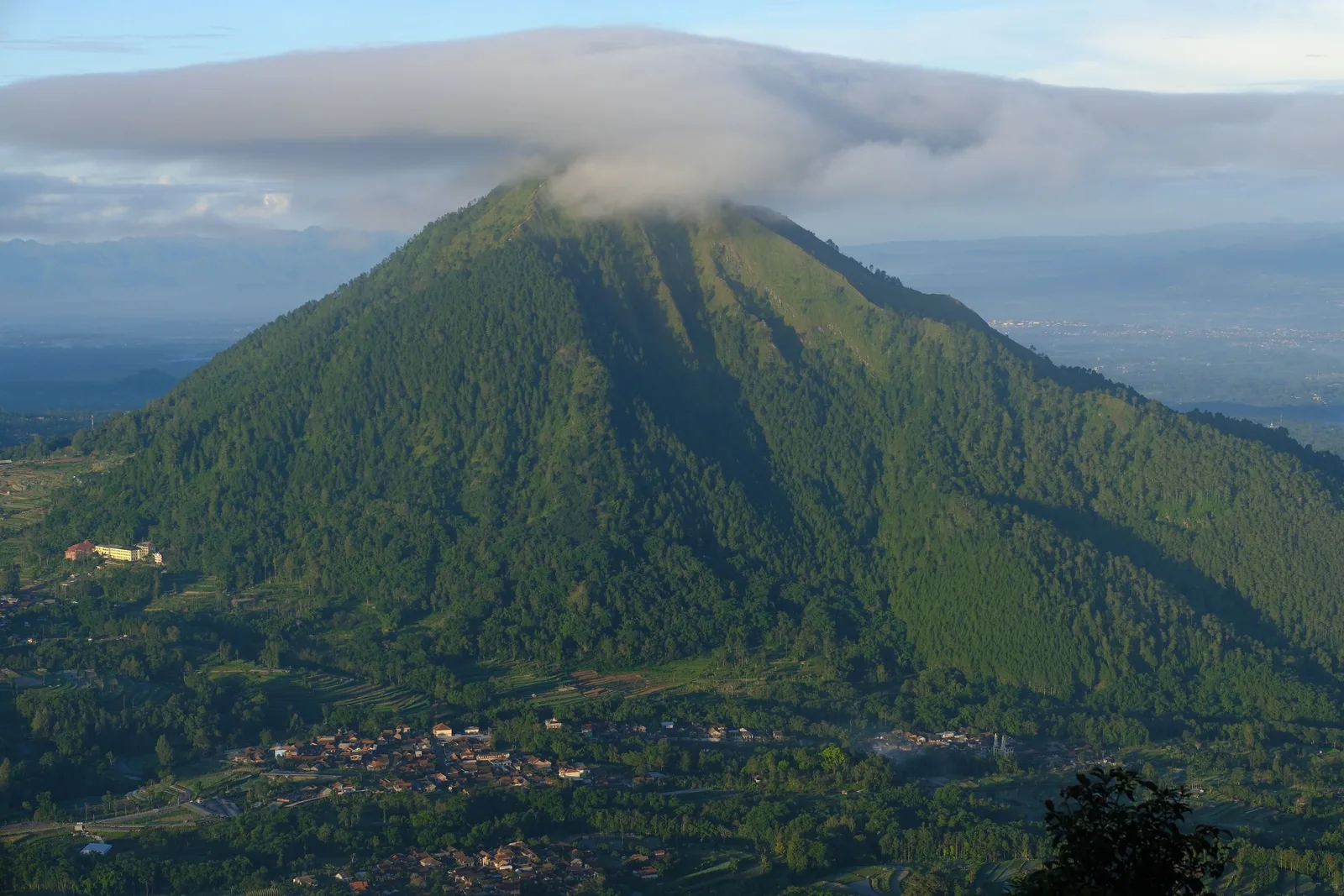
- An exposed summit at 2 p.m. is the plan most likely to fail. That single sentence is the reason our Mount Andong guide suggests a one-to-three a.m. start rather than a daytime one: the sunrise start puts you at the top before the weather arrives.
- Dry-season storms are possible at any time, which is why a packable shell is worth carrying even in August.
Our rainy season guide covers what to do with a wet trip. This page is about what to wear.
The layers, and what each one is for
A waterproof shell and a warm layer are different jobs, and people routinely buy one product and expect it to do both.
The shell keeps wind-driven rain off. On an open ridge in the highlands, the wind is half the problem: rain falls at an angle, so it gets under a hood and runs down your neck regardless of how good the membrane is. A shell with a properly sized hood, adjustable cuffs and a hem that sits over a waist pack solves this. Two forms are useful and they are not substitutes:
- A full three-layer shell for the highlands, for anything above an hour’s walk, and for anything where you will be out past dusk. This is the one to buy if you are buying one.
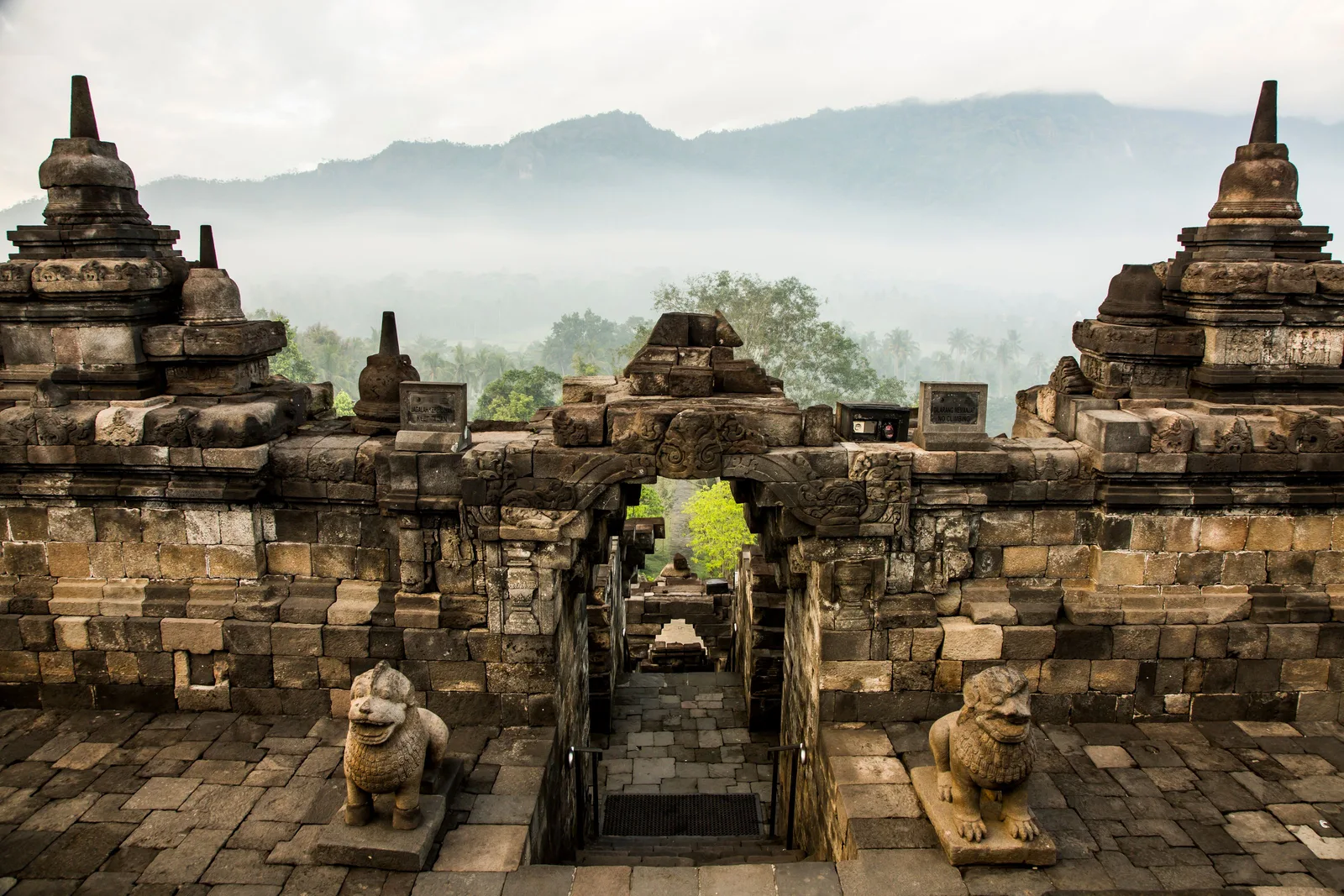
- A packable windbreaker for the lowland half of a trip, for a Borobudur visit, and for the dry season. It lives in a jacket pocket.
The layer underneath does the temperature work. On Andong at half past four in the morning the summit is genuinely cold, and the shell adds wind protection but no warmth. Merino or a mid-weight fleece under the shell is what makes the difference, and merino is preferable here for a specific reason: it does not hold odour, so it survives a hot day and a humid night without becoming a problem on shared transport.
Trousers are where people cut corners and regret it. On a wet paddy path or a village track, wet trousers are the thing that actually ruins the day, and no amount of shell above the waist changes that. If the forecast is wet, a pair of quick-dry or light waterproof overtrousers is the highest-value item on this whole page, and it is the one most people never think to bring.
Footwear is a genuine trade-off rather than a right answer. A waterproof membrane keeps your feet dry on a village path, a waterfall approach, or a scramble on wet rock. For a two-hour ascent on a maintained trail, an ordinary trail shoe is far lighter and dries out overnight in the humidity, which at 18 to 28 °C is a few hours. If the trip is wet underfoot, waterproof. If it is only wet from above, do not pay for the membrane.
The dry bag question
For electronics, a roll-top dry bag is the cheapest insurance on this page. In high humidity a camera that gets rained on can be fine for a week and then corrode internally, and a dry bag removes the problem rather than managing it. A water-resistant body helps but costs far more than a bag.
The dry bag, the daypack, and the summit
If you are carrying a daypack in the wet season, a roll-top dry bag doubles as the pack itself in a way that is worth thinking about. It is waterproof, it seals, and it folds down small when you are not using it. On a village walk, a waterfall trail, or an ascent where you will be sitting out a storm, that combination is better than a conventional pack plus a stuff sack.
Haze is a different problem and rain gear does not fix it
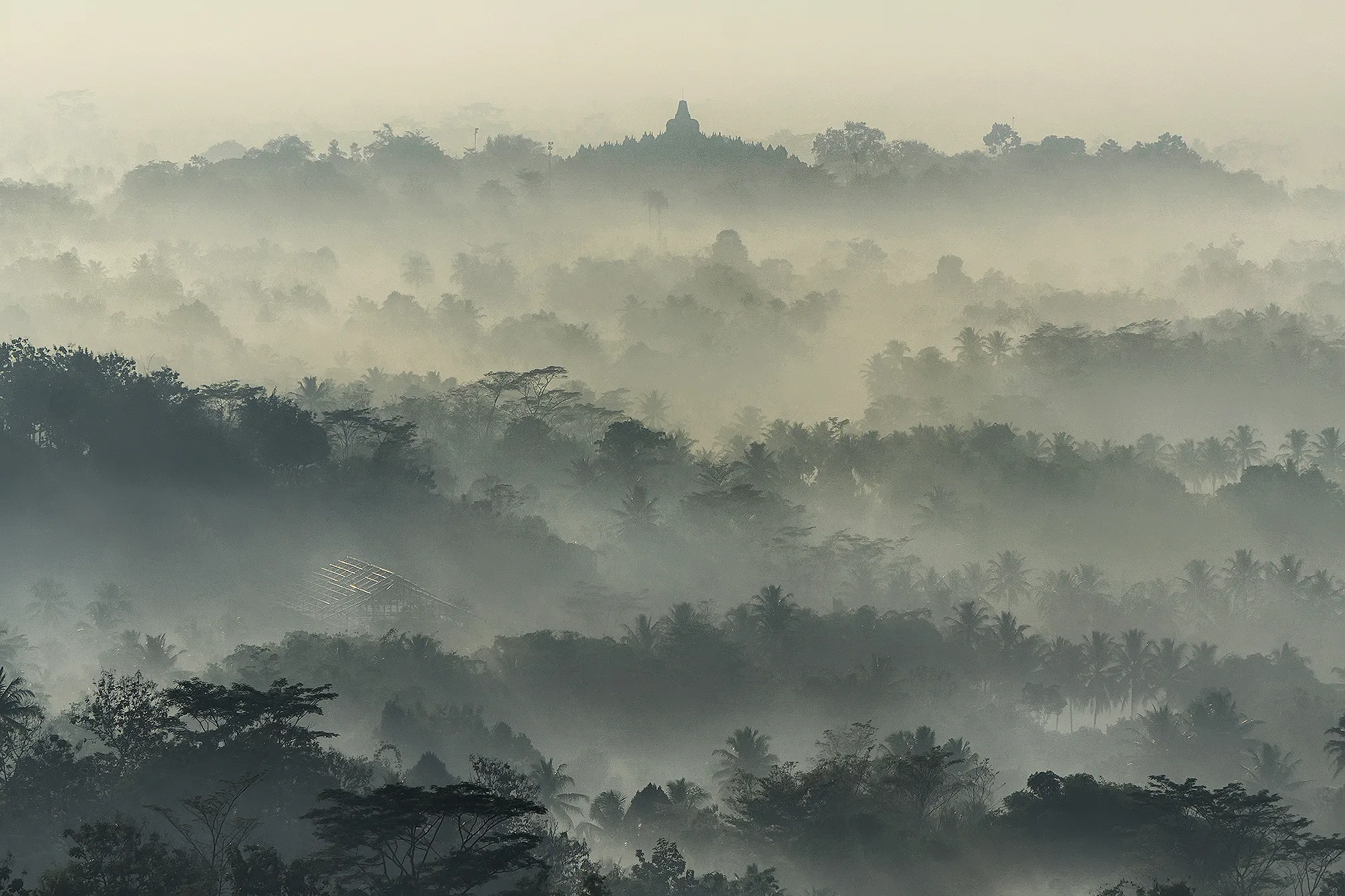
The most common disappointment in the dry season is not rain. It is arriving at a viewpoint in clear weather and finding the distant volcano is a grey silhouette.
That is regional agricultural burning haze. Stubble is cleared and burnt across the wider region through the dry season, and the resulting fine particulate sits in the air for days or weeks, greying out long-distance views without producing rain, cloud, or any visible smog at ground level.
This matters for gear because it changes what you should buy. A polarising filter genuinely helps with reflected light off water, wet rock and leaves, and it can marginally improve contrast through light haze. It does not remove particulate haze, and anyone selling you a filter as a haze solution is overselling it. For the haze itself the answer is timing, which our best time to visit guide covers, and acceptance.
Safety, briefly, because this is where it actually matters
Rain on the Magelang highlands is occasionally a genuine hazard rather than a wet picnic.
- Lightning. Open ridges, summit cairns and exposed paddy paths are exactly where you do not want to be in a thunderstorm. Check BMKG before you leave, and abandon a summit plan if a storm is building.
- Rising water. On any waterfall approach, upstream rain in a catchment you cannot see produces runoff well before the water reaches you. This is the reason our Kayang Waterfall guide says to read the water conditions before anyone gets in, and the reason flash runoff rather than the waterfall itself is the hazard to understand.
- Slippery rock on the Sumbing and Andong slopes. Wet volcanic rock and wet roots are the normal way people get hurt on these hills, not the weather.
BMKG issues the official forecast and any official warning. Any warning takes precedence over any itinerary on this site, without exception.
What to actually pack
For a highlands trip in the wet season:
- A three-layer shell, properly sized over whatever layer you wear underneath
- A merino or fleece mid-layer
- Light waterproof overtrousers
- Trail shoes, or waterproof shoes if the route is wet underfoot
- A roll-top dry bag
- A packable second shell if you are moving between wet and dry climates
- A headlamp with a wide beam, for the case where the storm arrives at dusk
For the lowland half of the same trip, the shell and the overtrousers are most of it.
One honest caveat
This is a specification-first page, not a test report. We have not hiked in each of these products. The reasoning starts from the documented conditions — the seasonal numbers, the convective pattern, the altitude, the exposure — and works backwards to what a product has to do. Follow the links to see current listings and compare specifications yourself. The reasoning is the part worth trusting; the listing is an example of one product that meets the criteria.
What to look for, and where to look
Criteria first. Follow a link to see a concrete example of each product type, or browse the category to compare brands yourself.
Rain gear
-
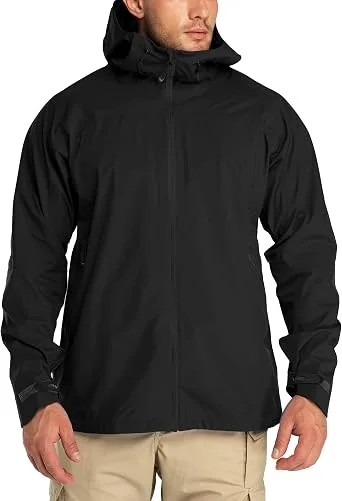
Packable waterproof rain shell with taped seams
The one piece of gear that most reliably saves a trip in the November-to-March wet season.
What to check
- Taped or sealed seams, which is the difference between a rain jacket and a wet jacket
- Packs into its own pocket, so it lives in the bag rather than at home
- A hood that is actually attached, not a neck gaiter pretending to be one
Wet-season rain here is convective: it can be usable in the morning and then pour. A shell that fits in a pocket is worth more than a heavier jacket that does not.
-
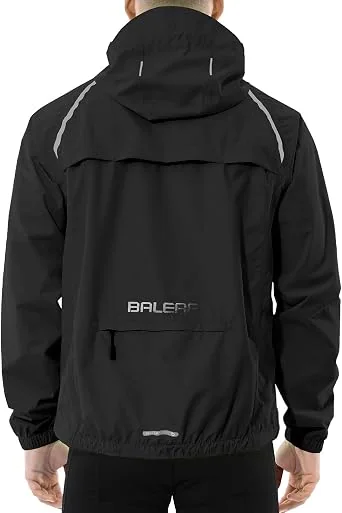
Lightweight packable windbreaker with taped seams
A cheaper, lighter layer that handles drizzle and wind but not sustained heavy rain.
What to check
- A stated waterproof rating, so you know which jobs it can do
- Fully taped seams, not only a coated fabric
- Elastic cuffs and a drawcord hem, which stop the rain running down your arms
Useful as a packable top layer for highland wind at Ketep Pass and Andong, where drizzle is more common than downpour.
Bags
-
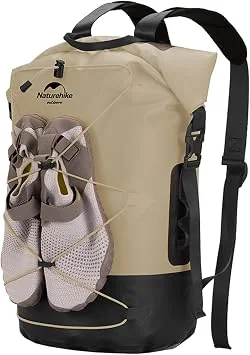
20L roll-top dry bag with welded seams
For the wet season, where a normal fabric bag slowly fills with rain.
What to check
- Roll-top closure with a buckle, not just a zip
- Welded or taped seams, because stitched seams leak
- A drop-in liner so the whole bag can be rolled shut wet
Wet-season rain in Central Java is convective and often heavy for short windows. Dry bags are the cheapest way to stop a camera bag from becoming a camera casualty.
Hiking gear
-
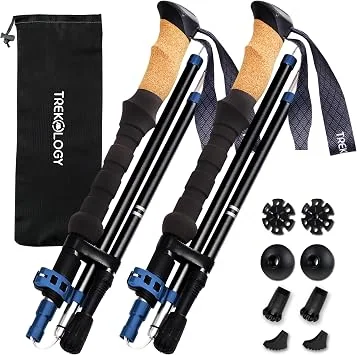
Collapsible trekking poles with cork grips
For saving knees on the descent from Mount Andong, and for saving your balance on wet stone.
What to check
- Cork or foam grips, not bare plastic, because plastic is unusable in sustained rain
- External or internal locks that are serviceable, and a lock that will not jam open in a bag
- A flick lock that locks in place with one motion
Descending is what injures people, not ascending. On the Andong descent the surface changes from trail to loose gravel without warning.
Footwear
-
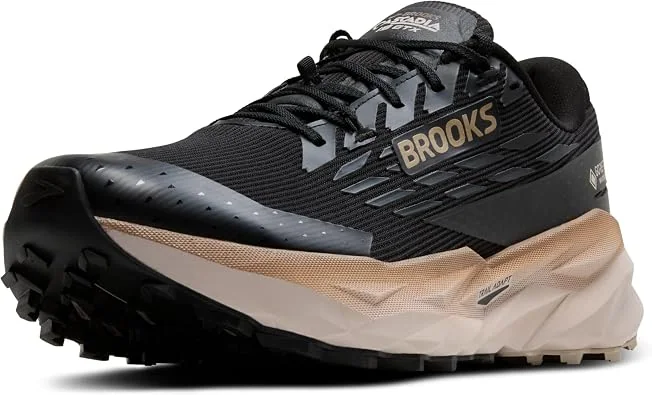
Waterproof trail running shoe with a lugged outsole
The wet-weather alternative, and the better choice for the Ketep Pass upper slopes in the wet season.
What to check
- A sealed or membrane upper rather than a coating, since coatings wear off within a season
- Drainage ports in the forefoot, because a waterproof boot that cannot drain becomes a problem on a long wet descent
- A lug pattern deep enough to still bite when the top layer of soil is saturated
For a normal dry-season Andong walk, the lighter non-waterproof shoe is the better buy. Waterproofing earns its place in the November-to-March window.
Lighting
-
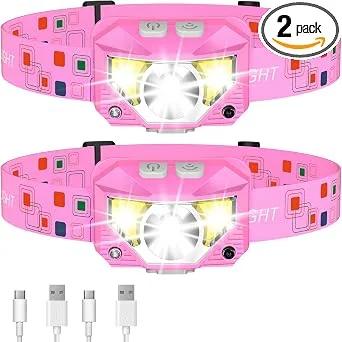
Wide-beam headlamp, two-pack
When a wide field of view matters more than reach, such as reading a path marker or a stall price board.
What to check
- A wide flood beam, because a narrow spot beam is useless for anything under your feet
- Two in a pack, so one can live in the bag and one can be worn
- A tilt mechanism, so you can aim it while wearing a cap
Two per household also solves the shared-battery problem when a group splits up for the night.
Hydration
-
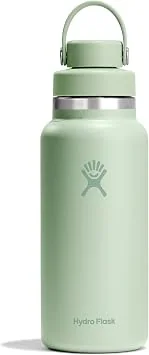
1L insulated stainless steel bottle, wide mouth
For the Borobudur climb, where you cannot drink once you are on the structure.
What to check
- A 1L capacity, which still leaves room for a bag in the same pocket
- Double-wall vacuum insulation, because uninsulated water in Central Java is unpleasant within an hour
- A wide mouth, so it can actually be cleaned rather than merely rinsed
- A narrow drinking spout, so it does not slop down a shirt while you are climbing stairs
Drinking is not permitted while on the Borobudur structure. You fill up at the entrance water stations and carry the bottle the entire way up and down.
Links open Amazon. We are not the seller and we do not handle the order. A purchase changes nothing about what this site recommends. How this works.
Sustainable Tip
A single packable shell beats a heavy coat. The best rain gear for a trip where it might not rain is the layer you will actually carry when the sky is clear.
Family Tip
Kids get cold when wet in a way adults do not. A spare dry top in a small daypack, and a plastic bag for the wet one, turns a ruined hour into a minor inconvenience.
Frequently asked questions
Do I really need rain gear in the dry season?
You need something that can be carried, and you probably will not wear it. The dry season runs from roughly April to October, but the boundary is not a guarantee, and a single afternoon storm in an otherwise dry week is enough to soak you on a hike. The right answer for the dry season is a packable shell that lives in a pocket, not a heavy waterproof.
What does convective rain actually mean for planning?
It means you cannot read a clear morning as a dry day. Convective rain builds through the afternoon as the ground heats, so storms typically arrive mid-afternoon to evening and are often intense but short. The practical consequence is that mornings and late afternoons frequently work, and that a plan which puts you on an exposed summit at 2 p.m. is the plan most likely to fail. Read the forecast and structure the day around the morning.
Is a waterproof jacket enough, or do I need a shell plus a layer?
For walking at altitude in the highlands, you want a shell and a warm layer underneath. A hard shell keeps wind-driven rain out, which is the actual problem on an open ridge, but it adds no warmth and it traps whatever you were already sweating. A merino or fleece base under the shell is what keeps you comfortable when the temperature drops at altitude, which happens quickly on Andong after dark.
Will waterproof shoes help or will they just get heavy?
They will help, and they will be heavy. For a village path, a waterfall approach, or a scramble on wet rock, a waterproof membrane keeps your feet dry long enough for the walk to be pleasant. For a two-hour ascent on a maintained trail, an ordinary trail shoe dries out overnight in the humidity and is far lighter. Decide by whether the trip is wet underfoot or merely wet from above.
What about the haze? My viewpoint photos came out grey.
That is almost certainly regional agricultural burning haze, not rain and not your camera. It builds over the dry season as stubble is cleared and burnt across the wider region, and it greys out long-distance views for weeks at a time. No rain gear addresses it, and no polariser removes it completely. Read our page on the best time to visit for the timing, and treat a polariser as a partial filter rather than a fix.
Do I need to plan for lightning?
Yes, and this is the safety part rather than the comfort part. Open ridges, summit cairns and exposed paddy paths are exactly where you do not want to be in a thunderstorm, and the Magelang highlands generate plenty of them in the wet season. Check BMKG for warnings before you set out, and be willing to abandon a summit plan. Any official warning takes precedence over any itinerary on this site.
Is it worth bringing a dry bag for electronics?
If you are photographing in the wet season, yes. A roll-top dry bag is cheap, weighs nothing when empty, and solves the specific case of a camera or phone getting caught in a downpour on a village path. A water-resistant camera body helps too, but a bag is cheaper than a body.
What is the best month for walking in the highlands?
August is the driest, with the clearest skies of the year, and it is also the busiest. If you want dry weather and can tolerate crowds, August. If you want fewer people and can accept a chance of rain, the shoulder months of April, May, October and November are the better compromise. The worst choice for walking is mid-January, when two climate datasets agree the rain is at its most persistent.
Tourism information — including opening hours, entrance fees, and transport routes — may change. Please verify with official local sources before planning your visit.
Sources and further checks
Use these primary or specialist sources to confirm current access rules, safety notices, and travel arrangements.

About the Author
Larasati Wulandari
Independent travel writer · Central Java, Indonesia
Larasati Wulandari is an independent travel writer who has lived in Central Java for eight years. She writes first-hand, practical guides to Magelang's temples, viewpoints, and local food, and reviews them regularly as conditions change.