 Save
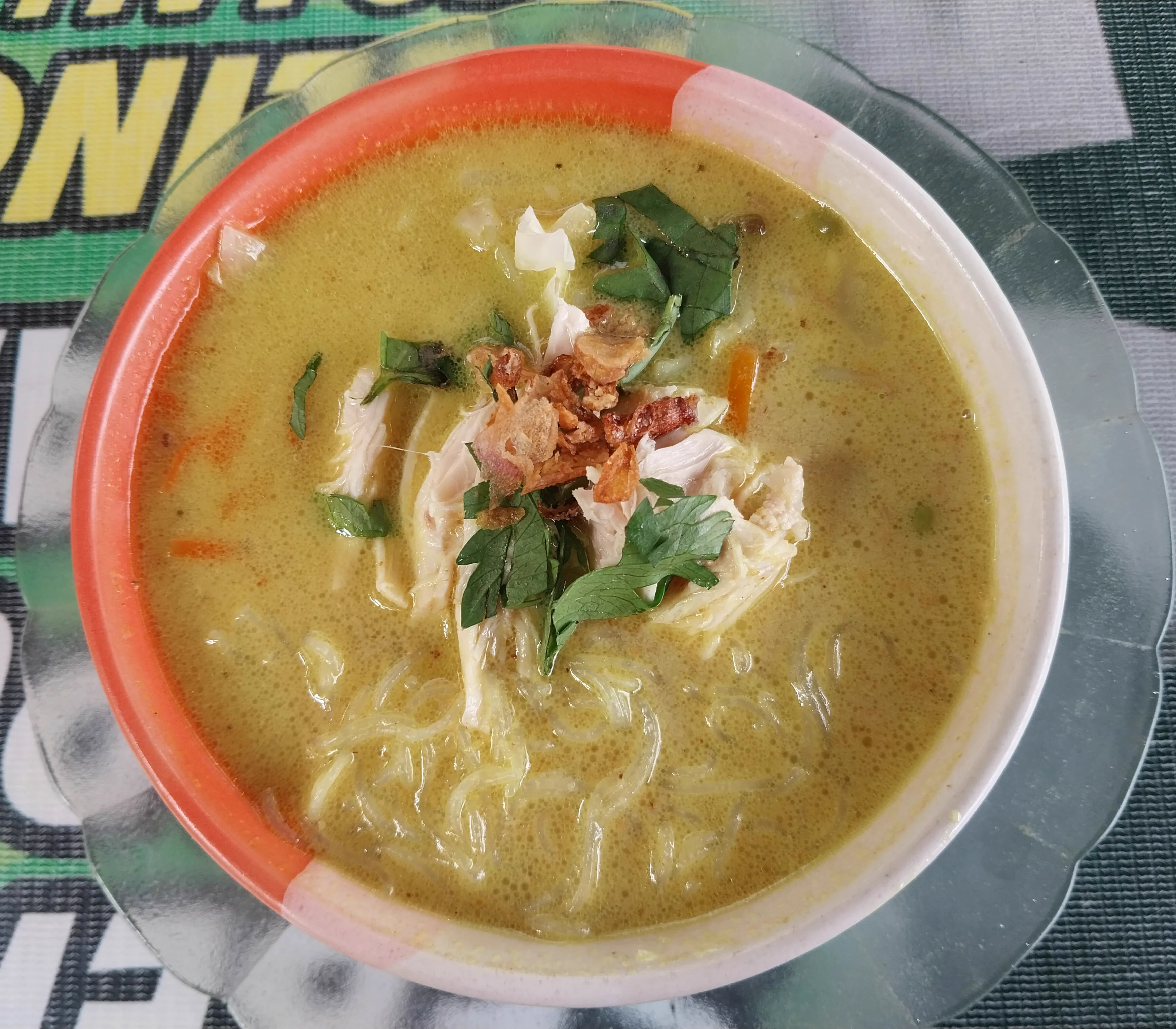
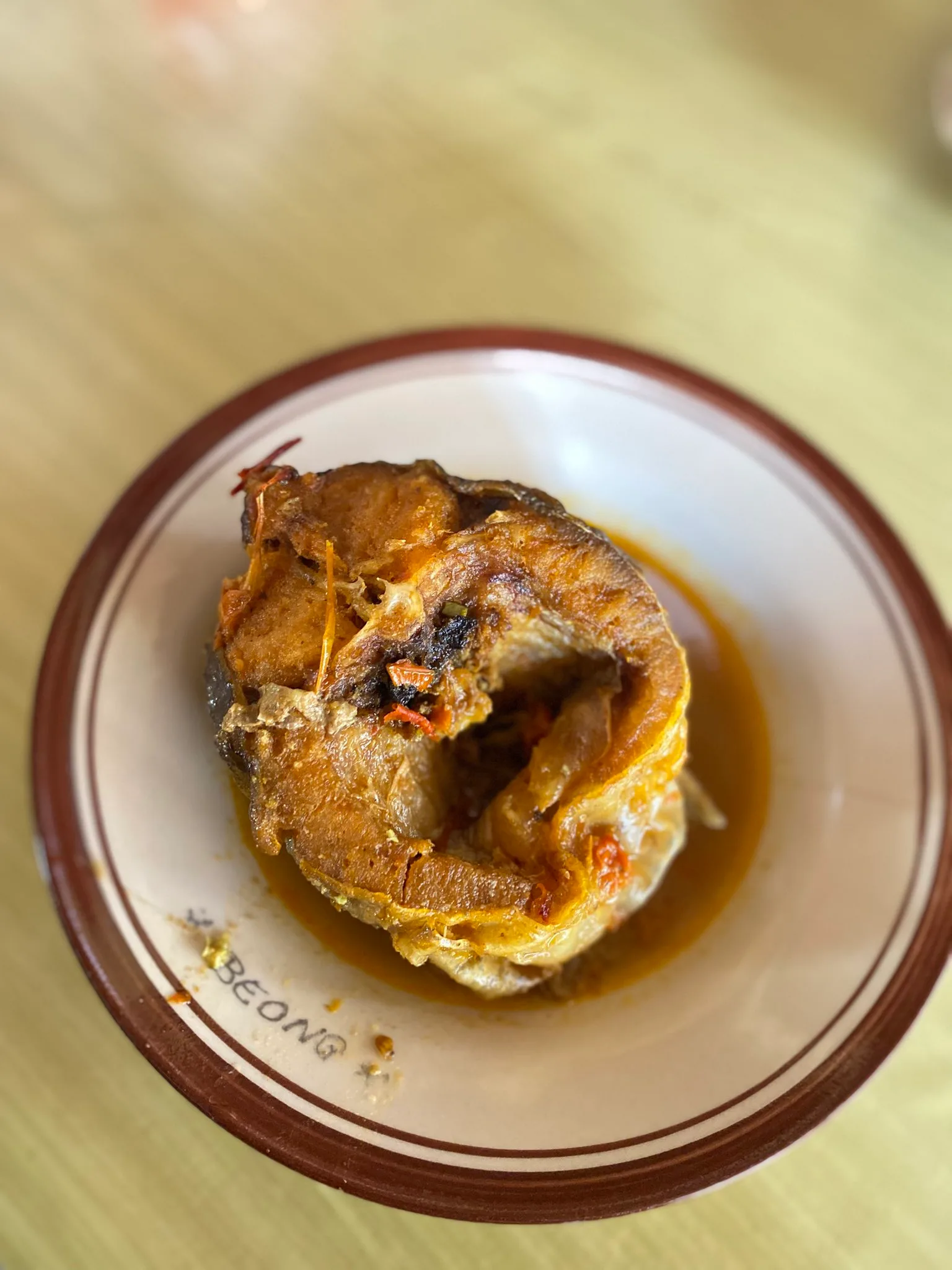
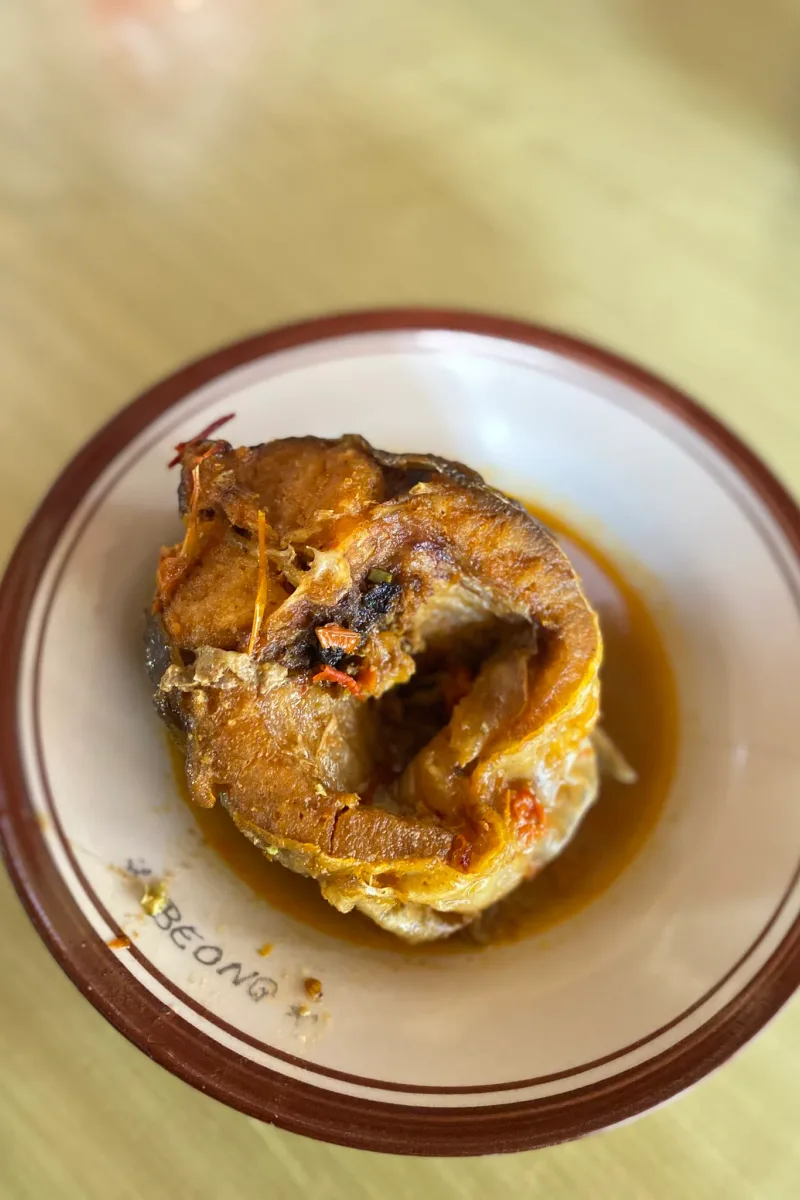
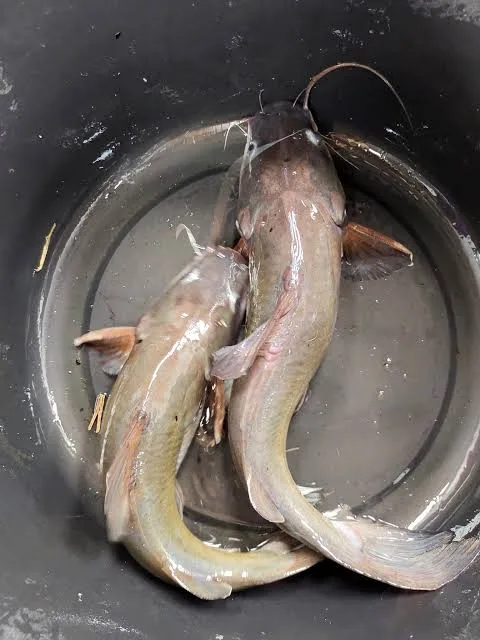
Save Mangut beong is a coconut-milk-based dish using beong fish, a freshwater fish linked to the Progo River area near Borobudur. The sauce is typically aromatic and can be quite spicy. Recipes, heat levels, fish size, and accompanying sides differ between vendors. This page helps you ask clearer questions and order with care rather than presenting one definitive version.
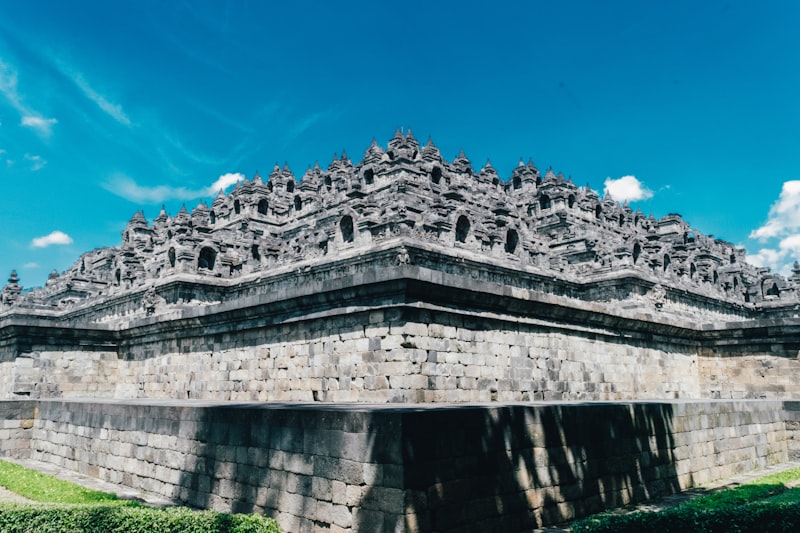
Because the dish is closely tied to the river and the temple countryside, it often fits naturally into a day built around Borobudur. A village warung after a morning at the temple is a common way to meet it.
What Makes It Special
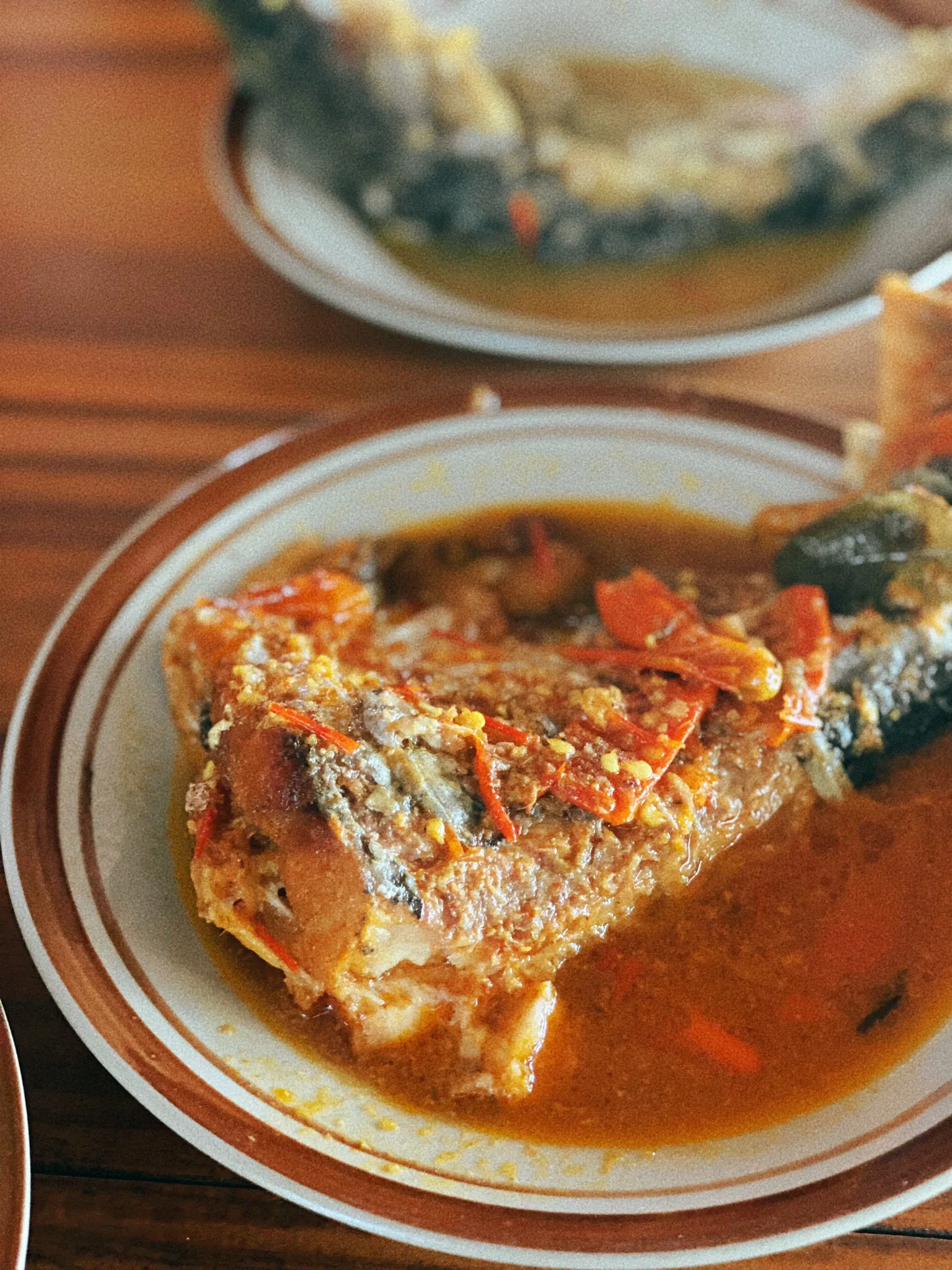
The dish usually features pieces of beong fish cooked in a yellow or reddish coconut-milk broth flavoured with local spices. Heat levels vary widely. Always ask about chilli before the dish is prepared. “Tidak pedas” means not spicy; “sedikit pedas” means a little spicy. Inform the vendor of any fish, coconut, or spice allergies.
Choose a Stall Thoughtfully
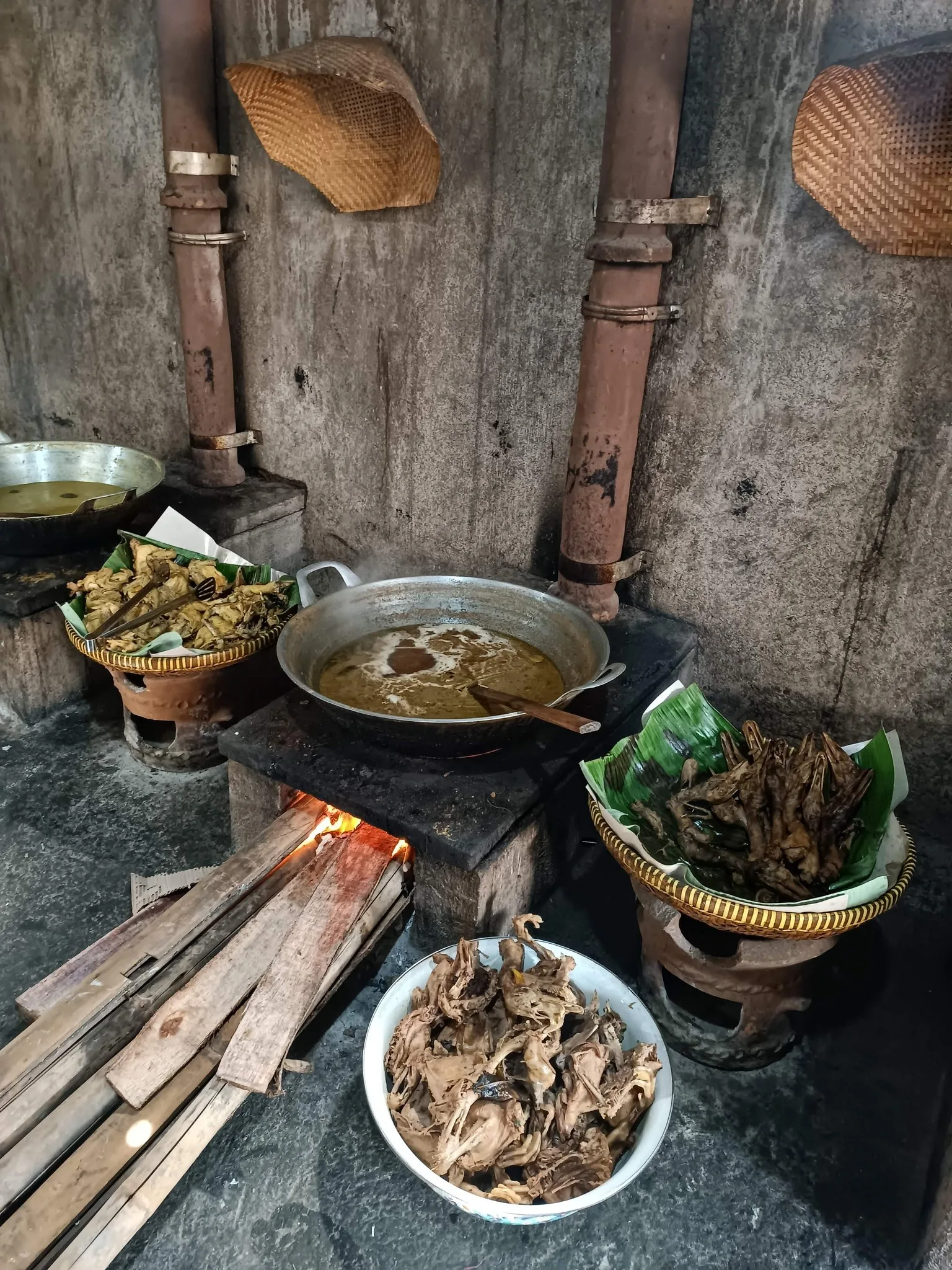
Prefer places where the food is freshly cooked or kept hot, ingredients are handled carefully, and the vendor can explain the spice level or ingredients. Shared utensils and sauces are common in street and warung settings, so clarity about allergies is important.
Where to Find It
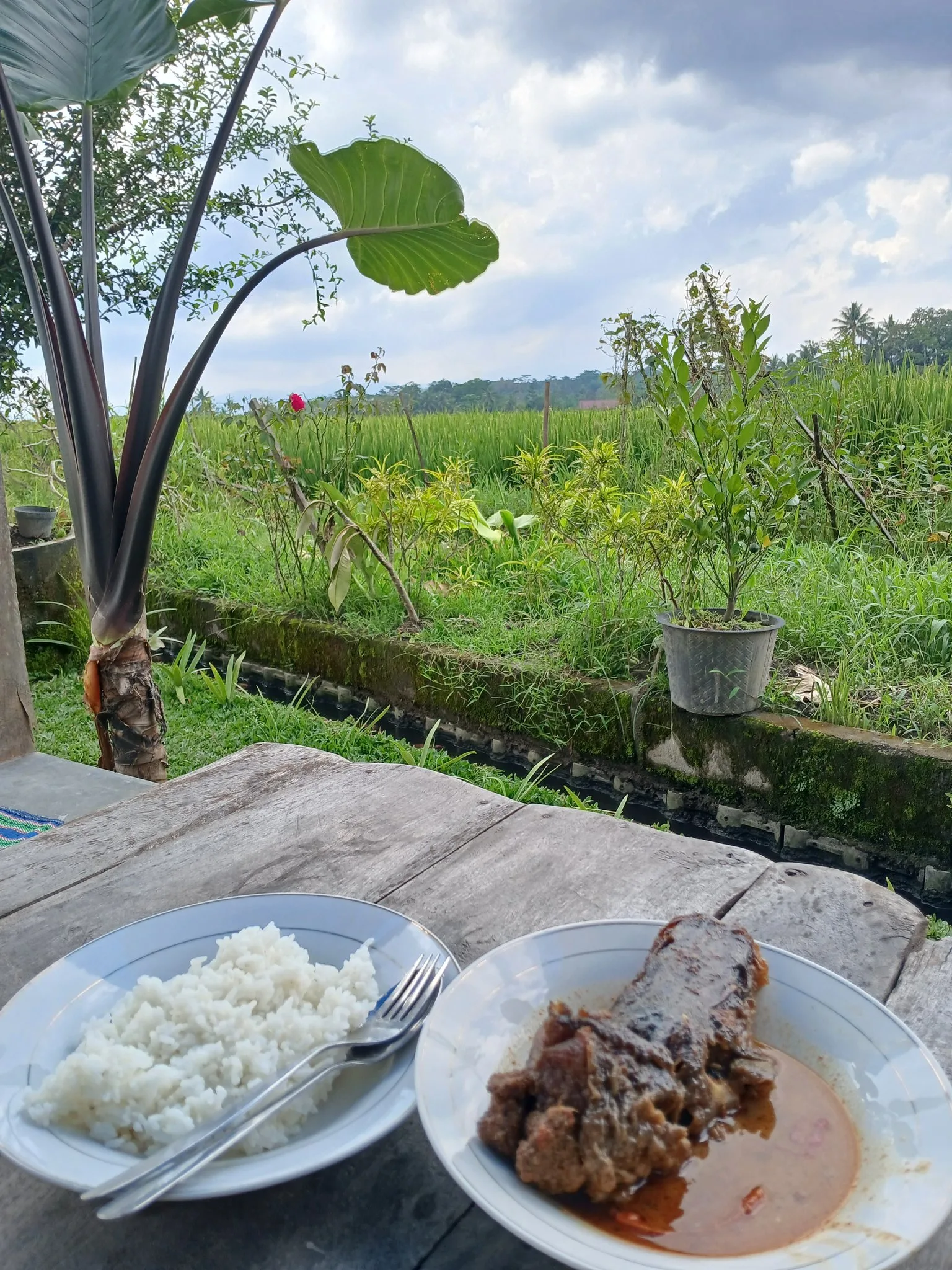
It is more readily found near Borobudur and in certain villages or food streets in the wider Magelang area than in every city-centre stall. Confirm current locations and opening times with your host or a local information point on the day of your visit.
Order With Less Waste
Order a portion you can finish. Eat in when practical. If taking food away, ask whether a clean personal container is acceptable and decline extra plastic or cutlery you do not need. Carry packaging until you can dispose of it properly. Do not leave food waste at temple grounds, viewpoints, or trailheads.
Useful Words to Know
- “Tidak pedas” – not spicy
- “Sedikit pedas” – a little spicy
- “Bungkus” – takeaway
Speak slowly and confirm details if dietary needs matter. If the vendor cannot answer an allergy question confidently, choose a different dish.
Sustainable Tip
Eat in when possible. Bring a reusable bag if you plan to take anything away, and keep any leaf wrapping or paper separate from mixed litter.
Family Tip
Ask about spice level, coconut milk, and fish before ordering for children or anyone with dietary restrictions. Request chilli on the side if preferred, and allow hot food to cool before serving to young children.
Food Note
Judge a place by food temperature, visible care in preparation, turnover, and the vendor’s willingness to answer simple questions rather than by reputation lists alone.
Continue exploring with Sop Senerek, Kupat Tahu Magelang, Getuk Magelang, or Nasi Lesah. For broader practical advice on waste, local spending, and travel etiquette, see our sustainable travel guide. If you are planning the temple visit itself, the Borobudur planning guide covers timing and tickets.
Sustainable Tip
Order a portion you can finish and eat in when practical. Do not leave food waste at temple grounds, viewpoints, or trailheads.
Family Tip
Ask about spice level, coconut milk, and fish before ordering for children or anyone with dietary restrictions. Request chilli on the side if preferred.
Food Note
Beong fish is a freshwater river fish associated with the Progo River area. Some cooks say it resembles catfish but carries a thicker, firmer flesh.
Tourism information — including opening hours, entrance fees, and transport routes — may change. Please verify with official local sources before planning your visit.
Sources and further checks
Use these primary or specialist sources to confirm current access rules, safety notices, and travel arrangements.

About the Author
Larasati Wulandari
Independent travel writer · Central Java, Indonesia
Larasati Wulandari is an independent travel writer who has lived in Central Java for eight years. She writes first-hand, practical guides to Magelang's temples, viewpoints, and local food, and reviews them regularly as conditions change.