 Save
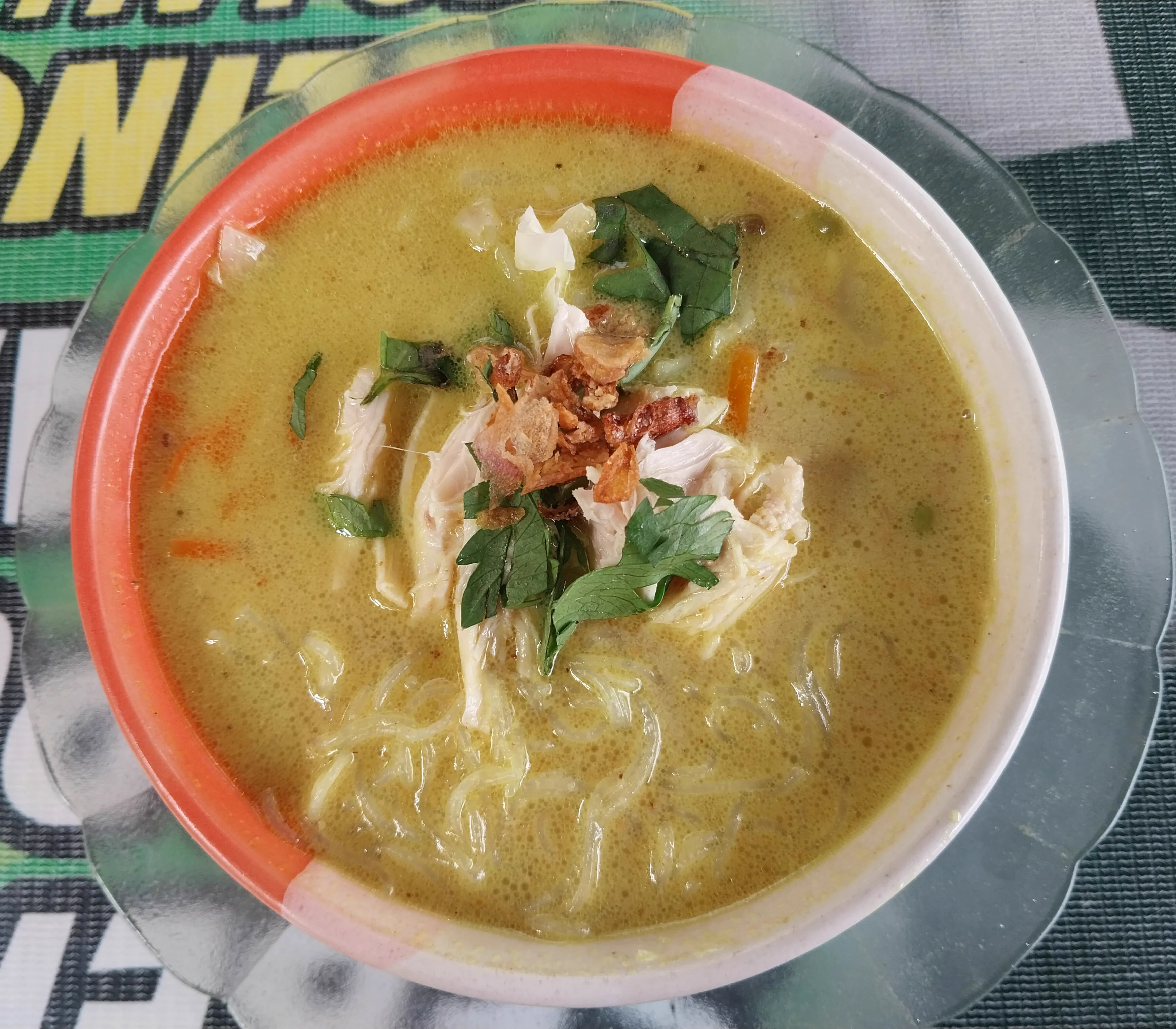
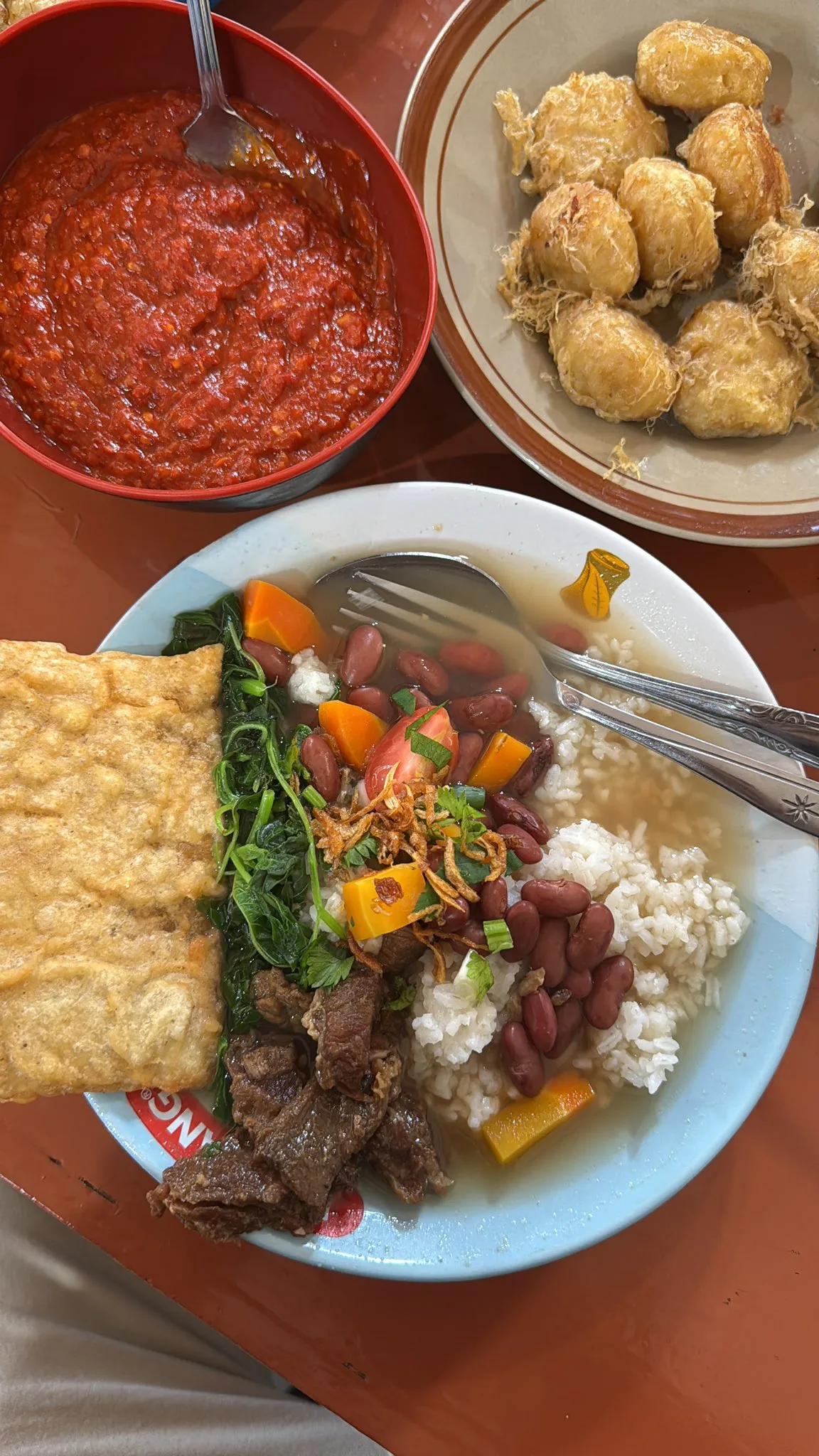
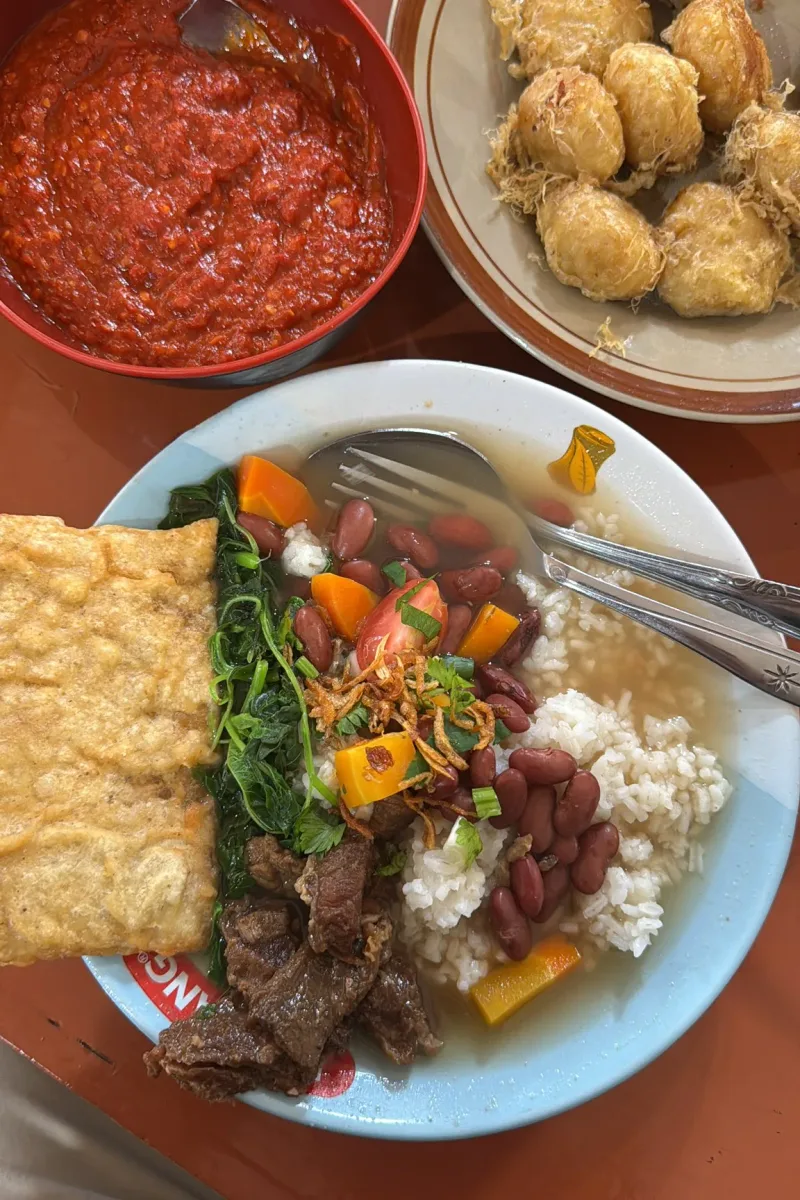
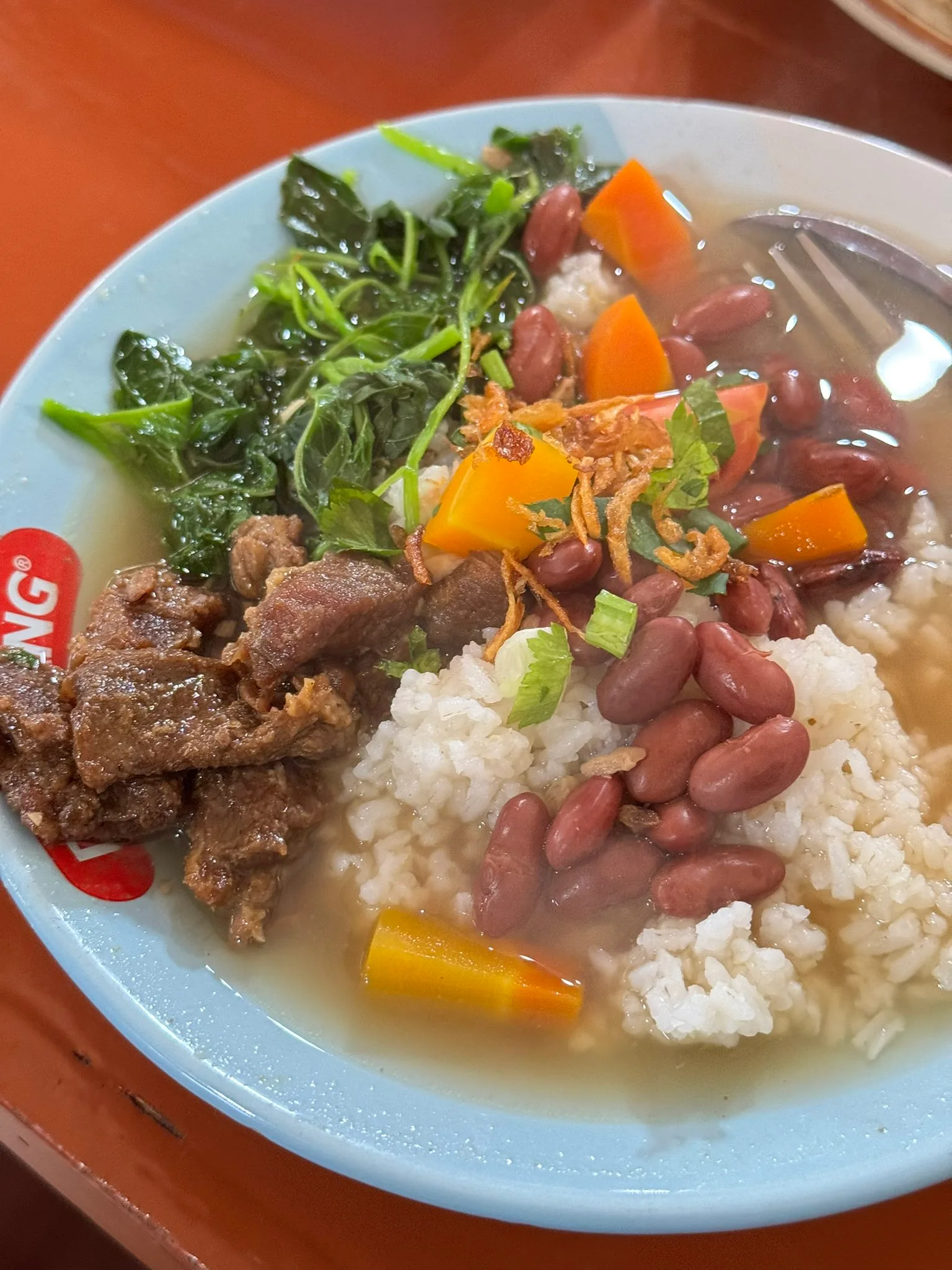
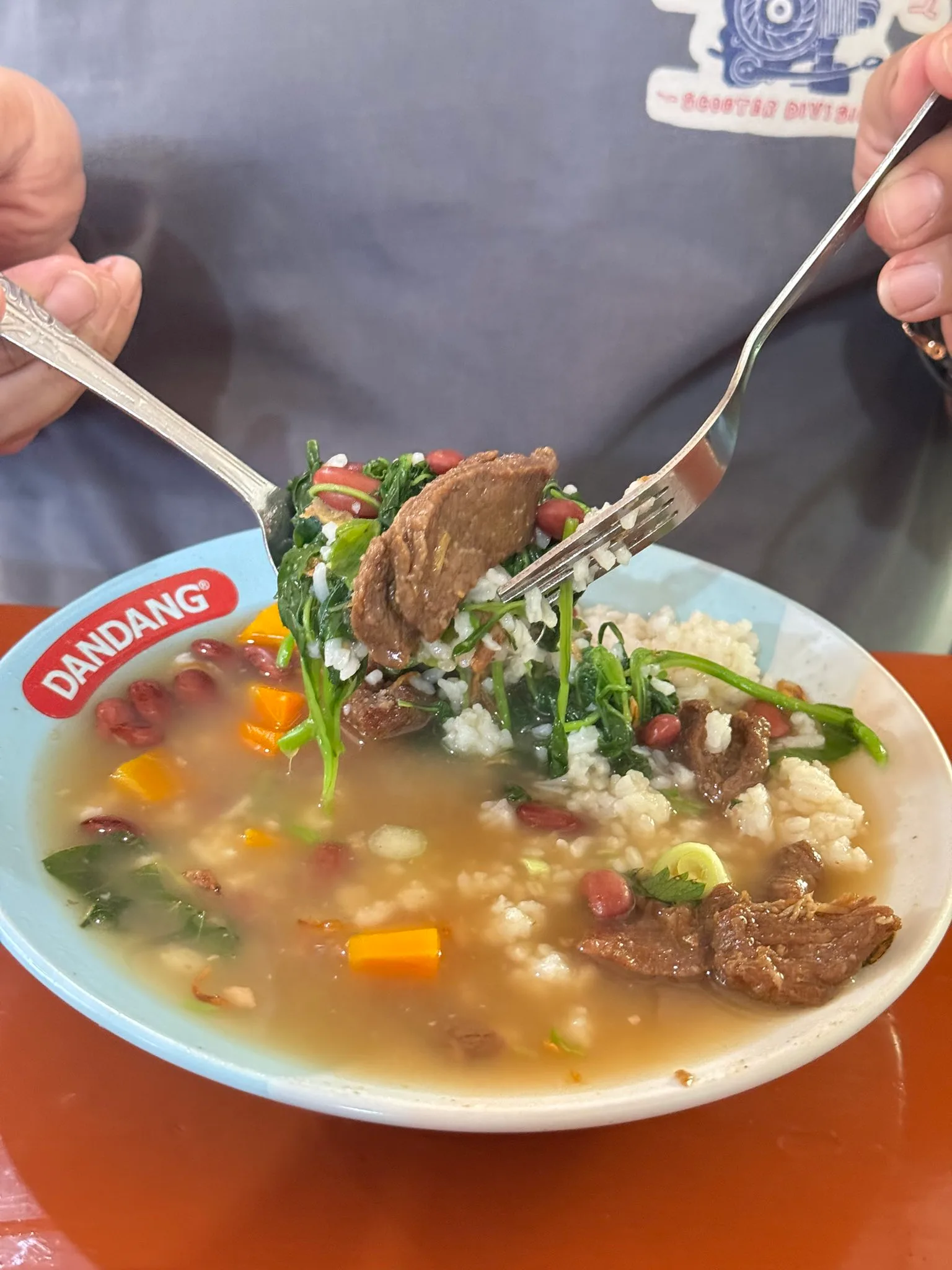
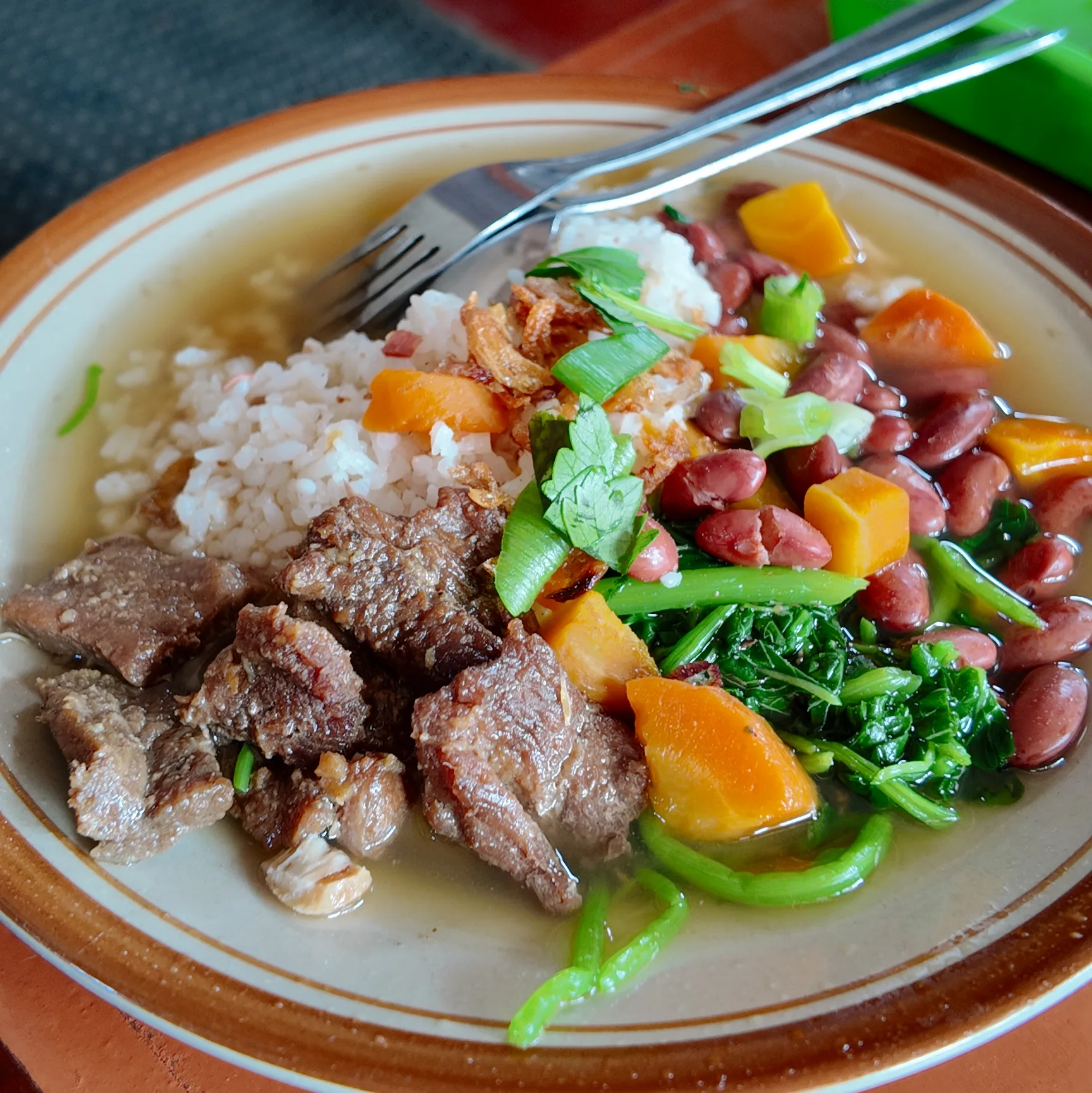
Save Sop senerek is a clear-broth soup associated with Magelang, commonly featuring red beans, vegetables, and a protein such as beef or chicken. Recipes, spice levels, portion sizes, and accompanying side dishes vary between vendors. This page focuses on ordering safely and respectfully rather than presenting a fixed recipe or ranking.
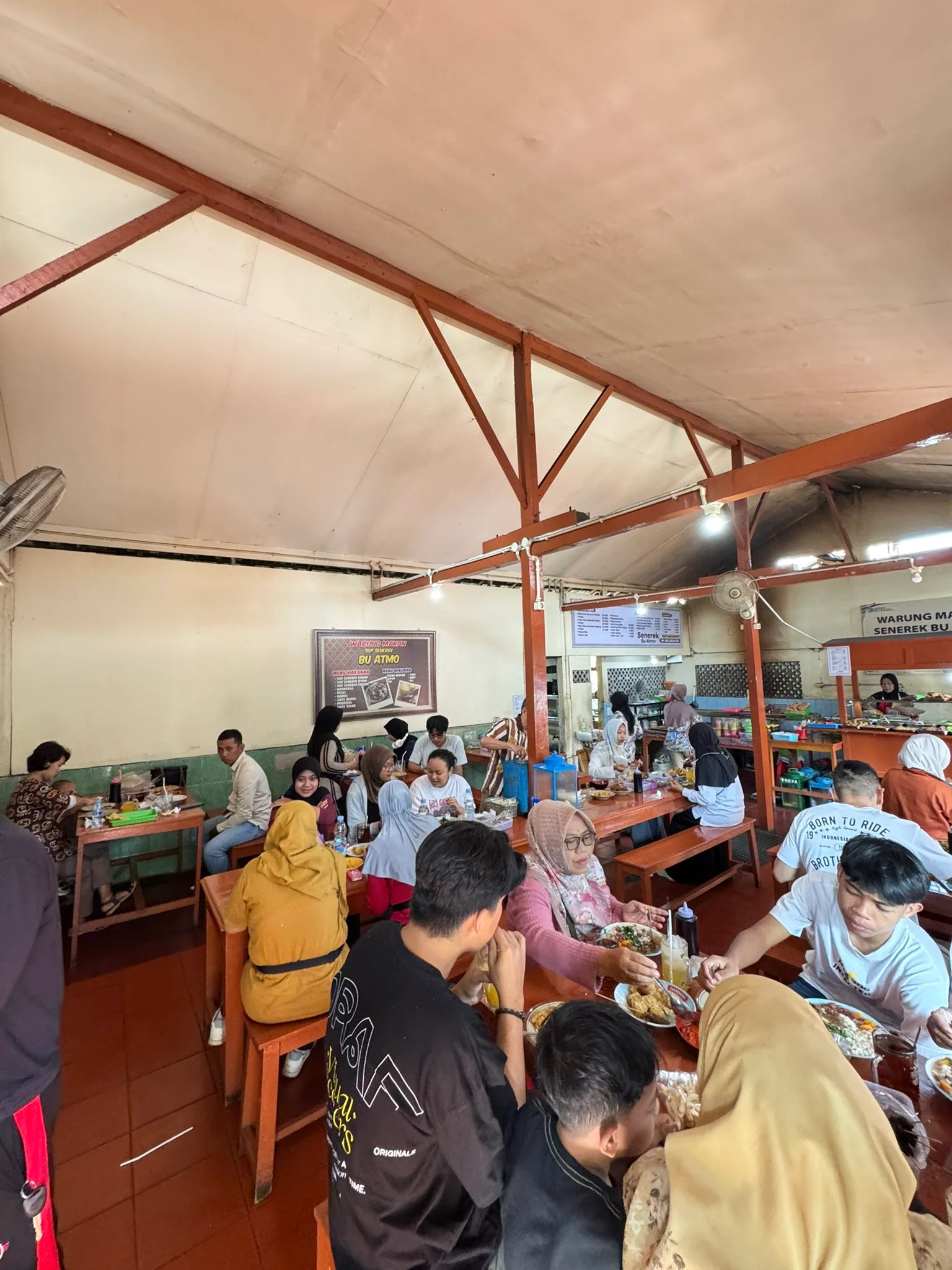
The soup is often described as a local adaptation of a European pea-soup tradition, replaced here with red beans (kacang merah). Rather than treating that story as a fixed fact, treat it as context: the important part is the warm, aromatic bowl in front of you and the conversation you have with the vendor before it is prepared.
What Makes It Special
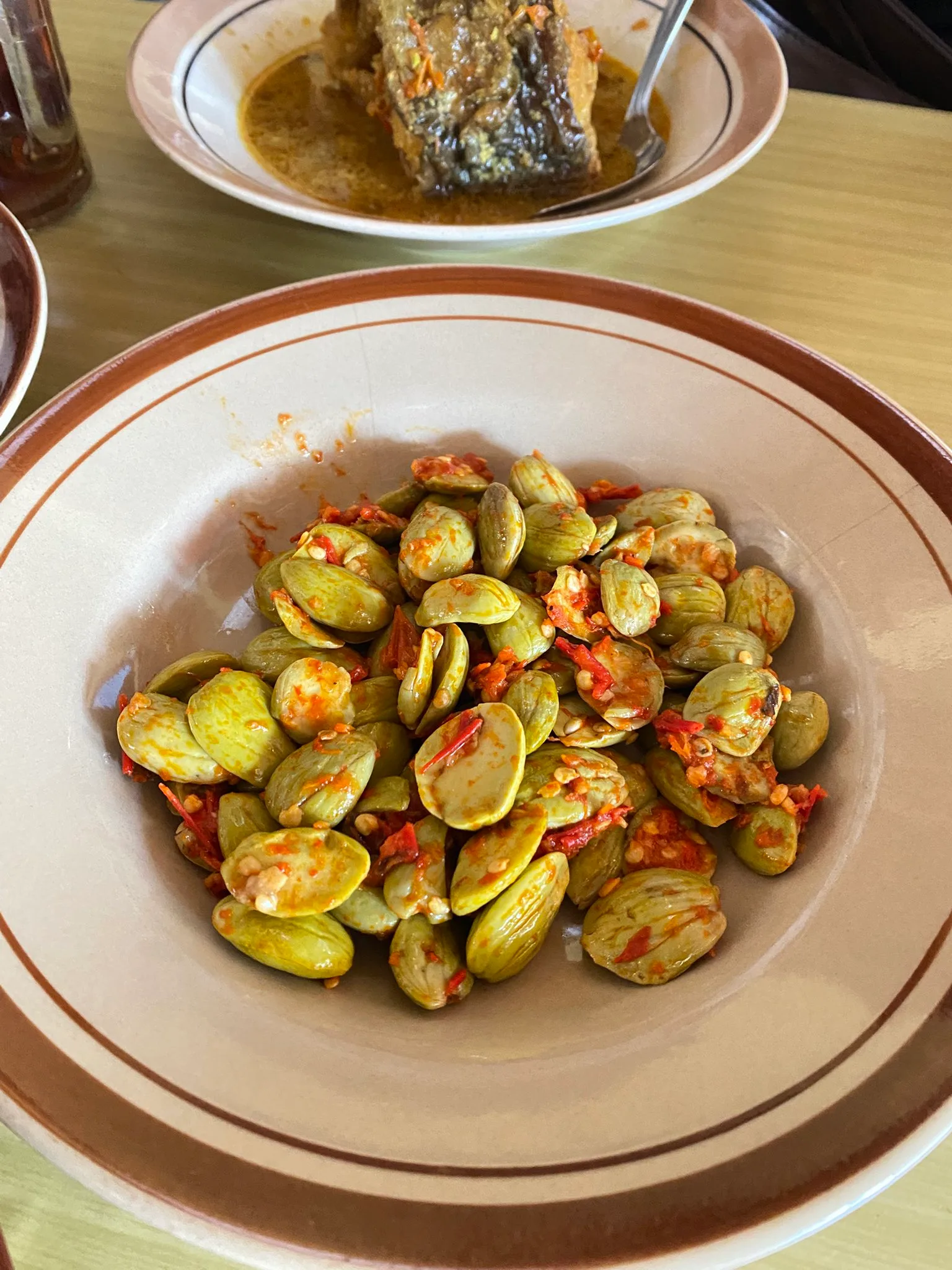
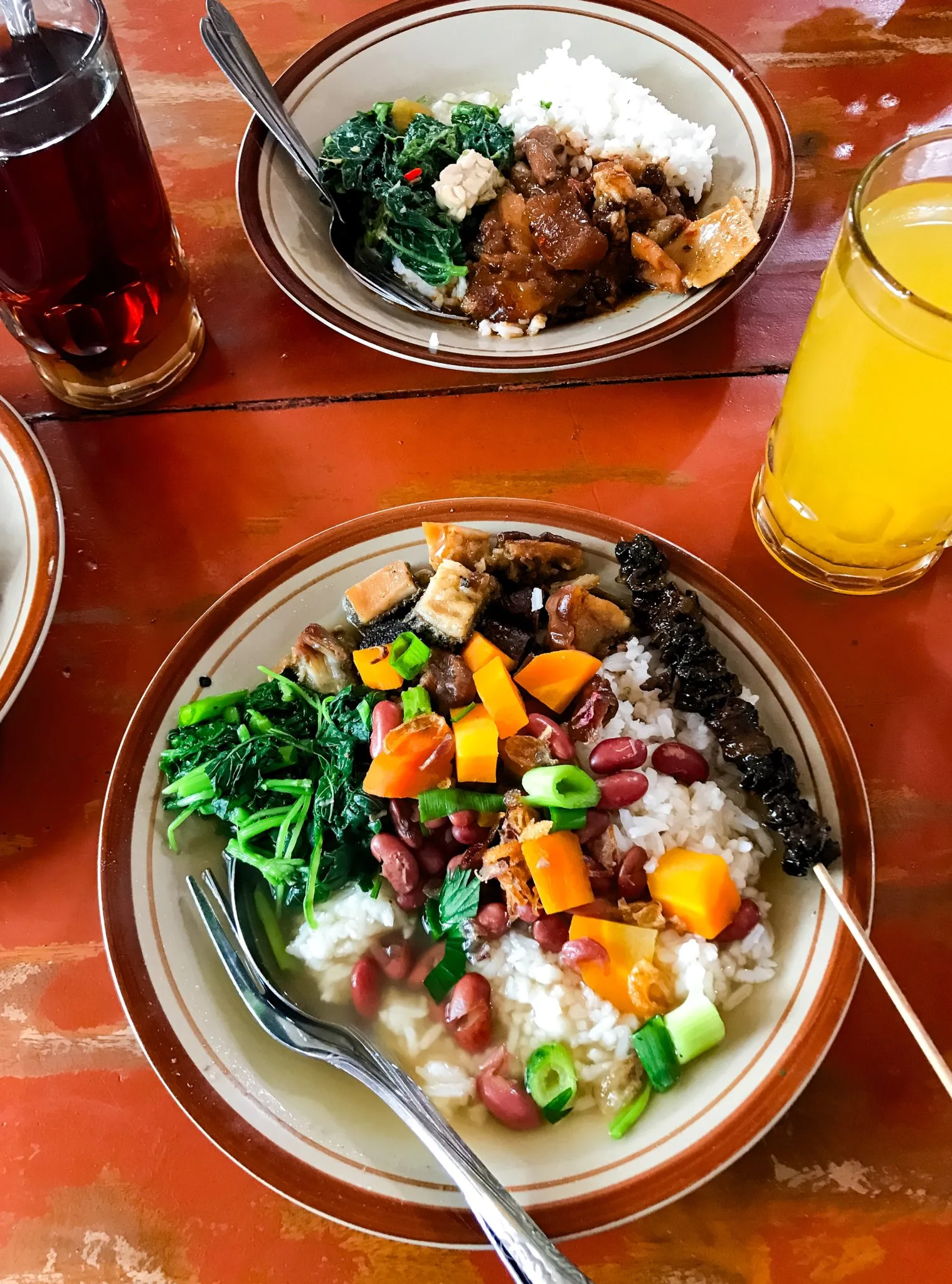
Many versions use a light, aromatic broth with red beans, spinach or other greens, carrots, and slices of meat. Some stalls offer additional sides such as fried items or offal. Tell the seller about any allergies or dietary needs before the bowl is prepared. “Tidak pedas” means not spicy; “sedikit pedas” requests a little spice.
Choose a Stall Thoughtfully
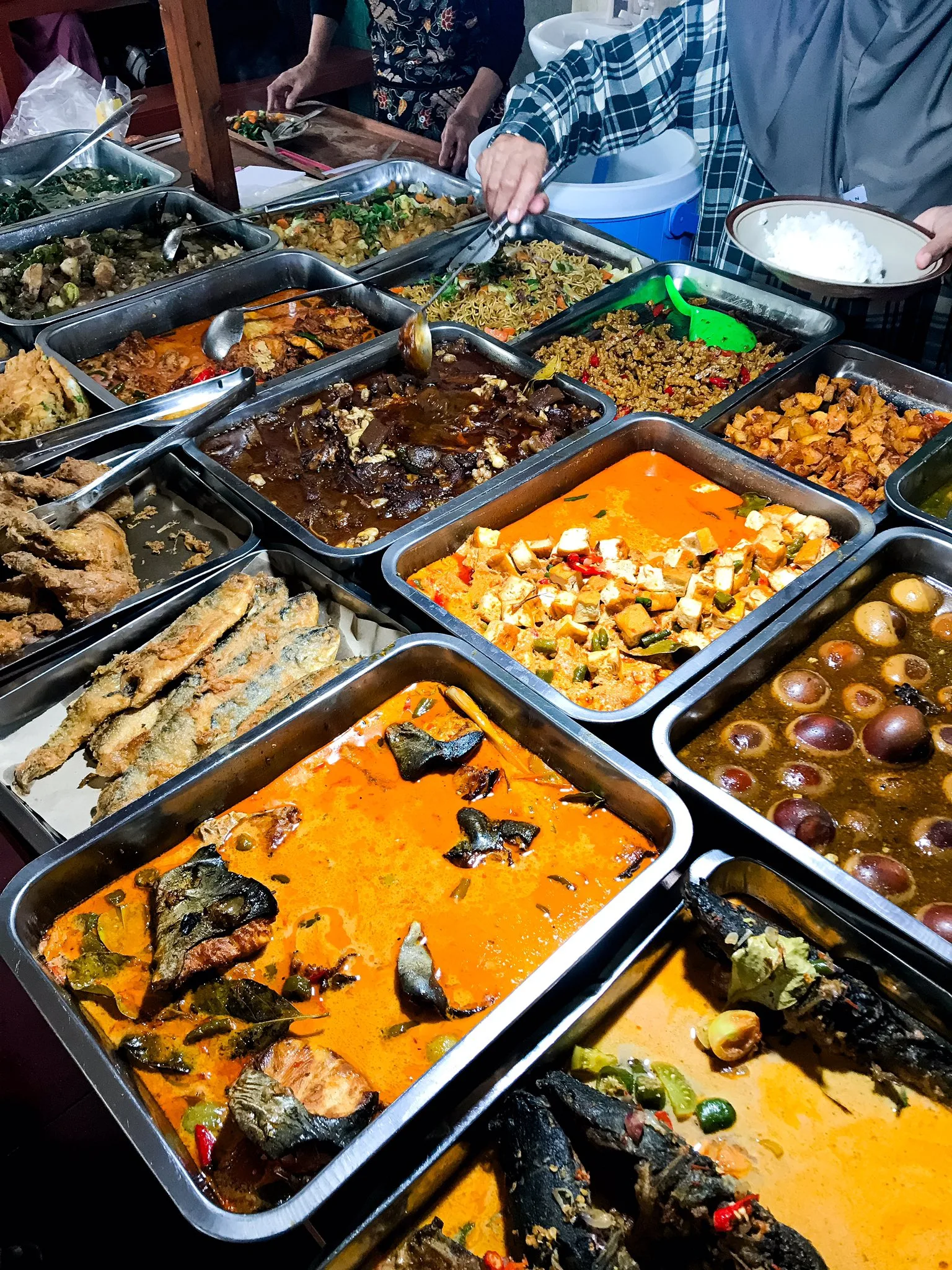
Street food and warung meals can be a good part of a trip when basic food-safety judgement is applied. Prefer places where the soup is kept hot, ingredients look fresh and covered, surfaces appear clean, and the vendor can answer simple questions about ingredients or spice. If uncertain, choose a fully cooked option.
Where to Find It
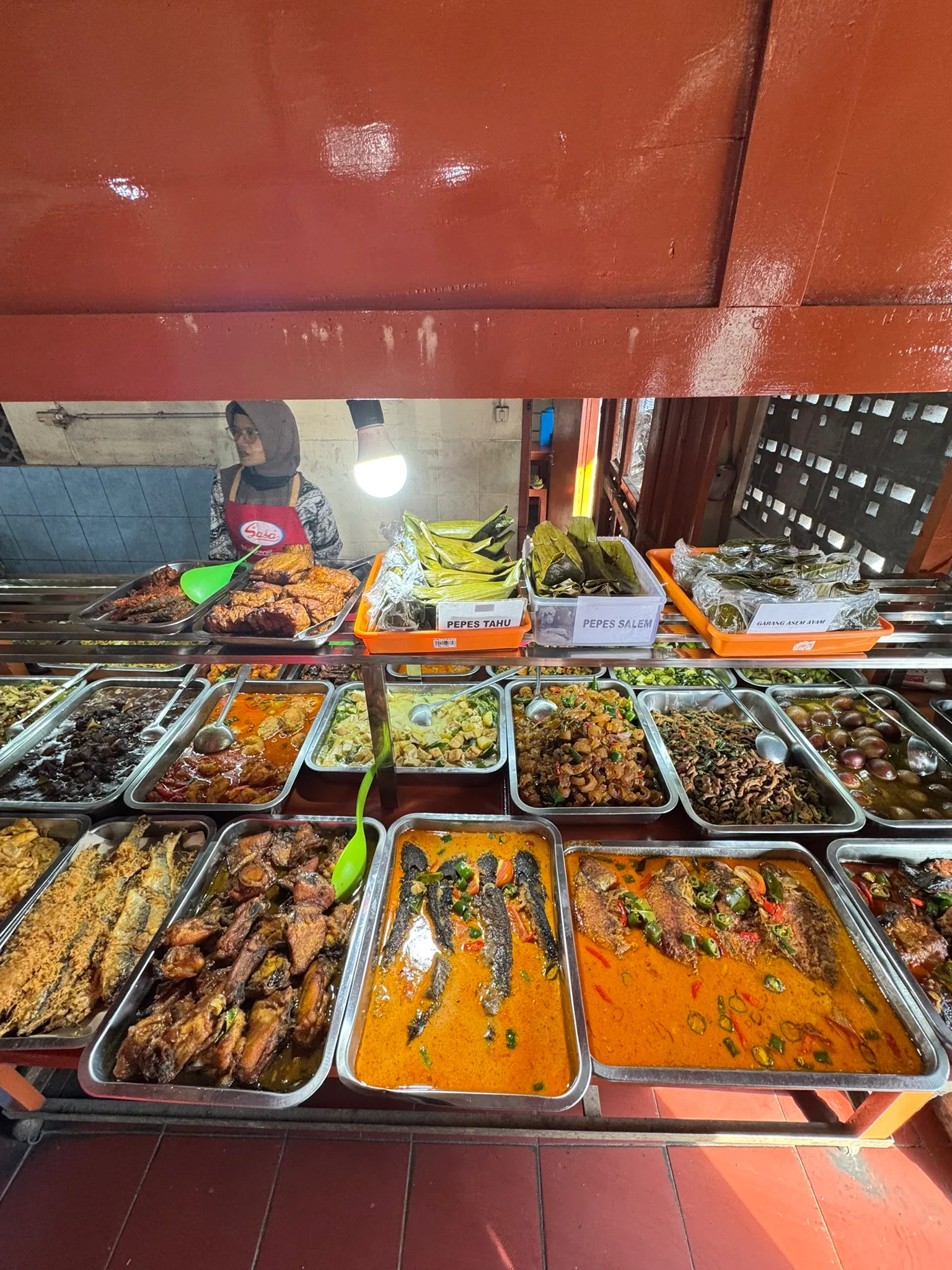
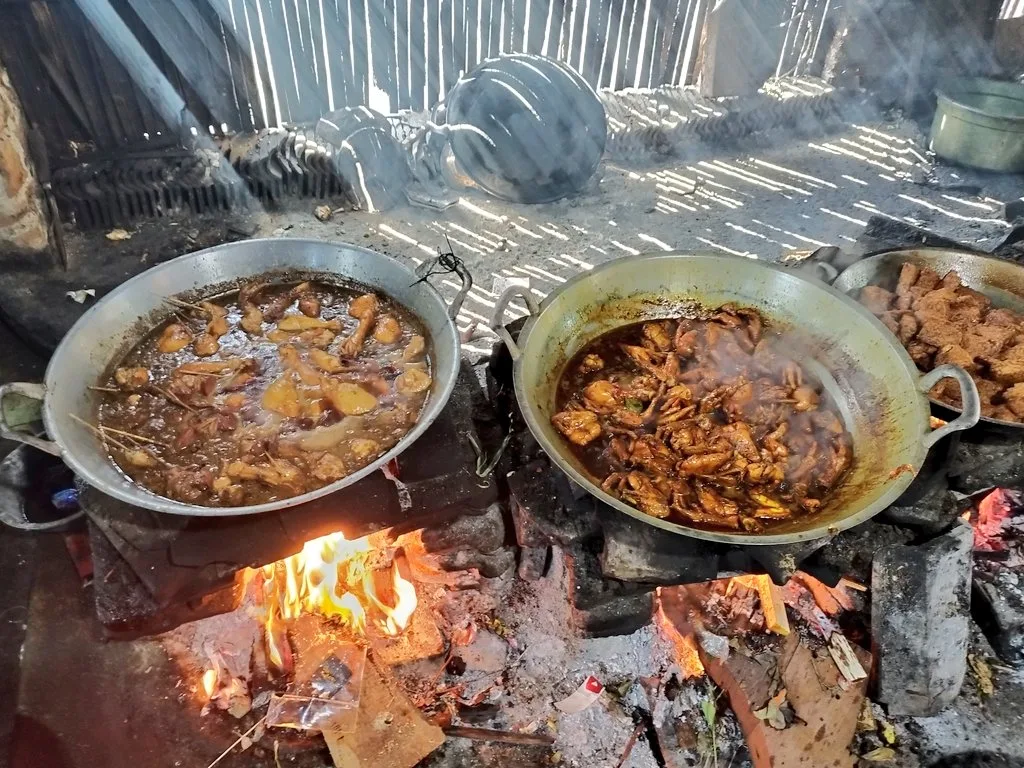
Look in local markets, neighbourhood warungs, and established food streets. Opening hours and exact locations change. Ask your accommodation host or a local tourism information point for current recommendations rather than relying solely on older lists.
Order With Less Waste
Eat in when practical. Start with a modest portion if the style is new to you. Ask whether your own clean container can be used for takeaway. Costs vary by vendor, ingredients, and location, so do not rely on fixed prices published elsewhere.
Useful Words to Know
- “Tidak pedas” – not spicy
- “Sedikit pedas” – a little spicy
- “Bungkus” – takeaway
Speak slowly, point only when helpful, and confirm the order if an allergy or preference matters. If a vendor cannot confidently answer an allergy question, choose another dish.
Sustainable Tip
Eat in when possible. If taking food away, ask about using your own container and decline unnecessary cutlery or bags. Carry any packaging until you find a proper bin.
Family Tip
Ask about chilli, broth ingredients, and portion size before ordering for children or anyone with dietary restrictions. Allow hot soup to cool slightly before serving to young children.
Food Note
Select a stall based on visible hygiene, food temperature, customer turnover, and clear communication rather than queue length alone.
For a more complete local-food itinerary, compare this soup with Kupat Tahu Magelang, Nasi Lesah, Getuk Magelang, and Mangut Beong. Practical choices around waste and etiquette appear in our sustainable travel guide.
Sustainable Tip
Eat in when practical. If taking soup away, ask whether your own clean container can be used, and decline unnecessary cutlery or bags.
Family Tip
Ask about chilli, broth ingredients, and portion size before ordering for children or anyone with dietary needs. Let hot soup cool slightly before serving.
Food Note
Many versions of the broth are clear and gently spiced rather than heavy. Ask the seller whether their recipe uses red beans, and try a small bowl before adding sides.
Tourism information — including opening hours, entrance fees, and transport routes — may change. Please verify with official local sources before planning your visit.
Sources and further checks
Use these primary or specialist sources to confirm current access rules, safety notices, and travel arrangements.

About the Author
Larasati Wulandari
Independent travel writer · Central Java, Indonesia
Larasati Wulandari is an independent travel writer who has lived in Central Java for eight years. She writes first-hand, practical guides to Magelang's temples, viewpoints, and local food, and reviews them regularly as conditions change.