 Save
Key facts at a glance
- Main gateway city
- Yogyakarta, roughly 40 km from Borobudur
- Second gateway
- Semarang, over the Trans Java road corridor
- Nearest rail station
- Mertoyudan, roughly 11 km from the Borobudur area
- City bus terminal
- Terminal Tidar, Magelang
- Airport choice matters
- Yogyakarta International sits much further out than Adisucipto
- Driving to Prambanan
- About 53 km, 45 to 50 minutes without stops
- Most common mistake
- Booking the whole trip without planning the final 10 km
- Verify before you pay
- Schedules, fares, and pickup points all change
Figures change without notice — treat this as a planning summary and confirm against the sources listed below.
There is no single arrival plan that suits every Magelang trip. The right choice depends on your entry city, luggage, group size, destination area, and the time you are willing to spend on local transfers. Treat this page as a decision framework, then confirm current schedules, pickup points, fares, and availability directly with the relevant operator before committing.
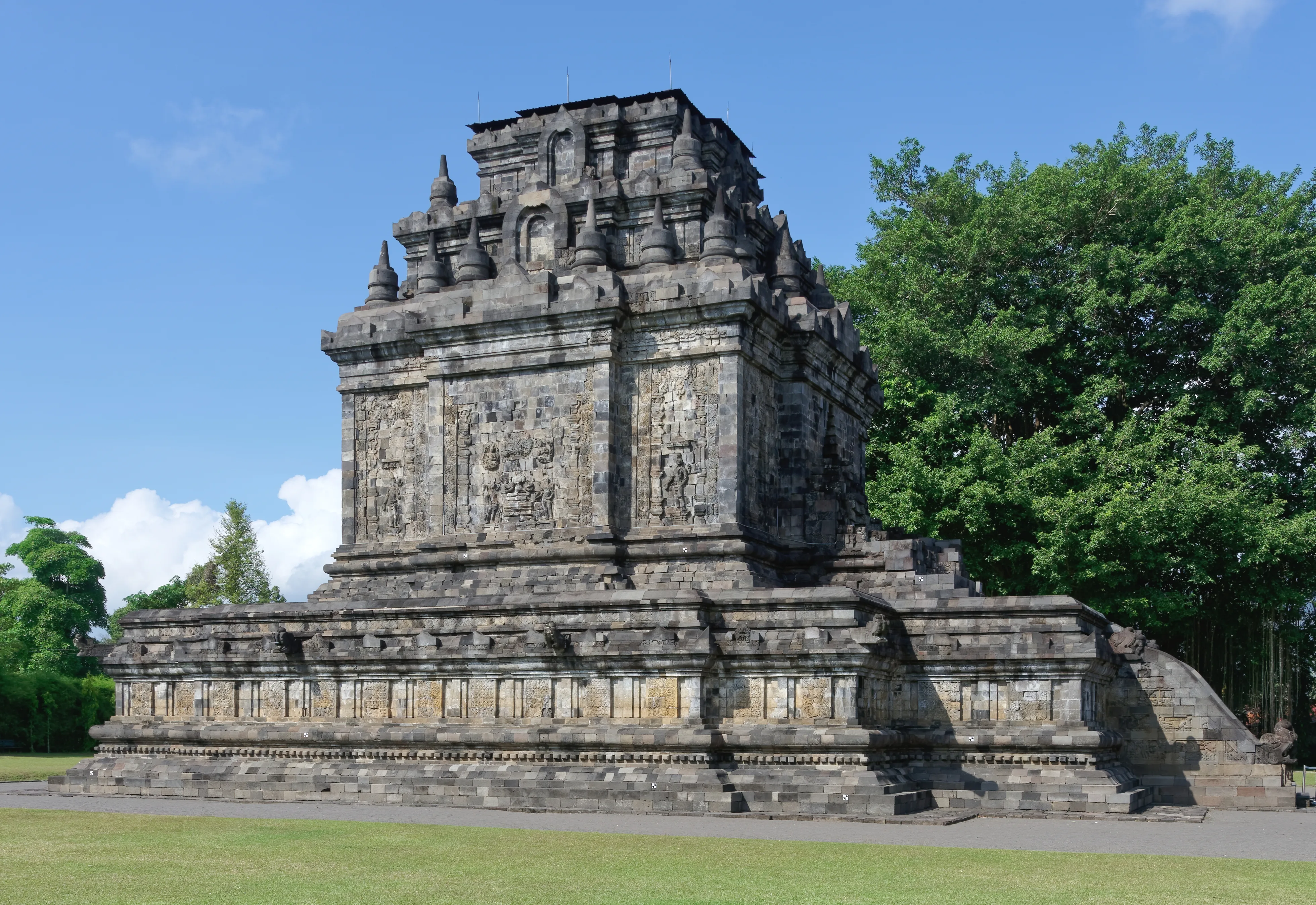
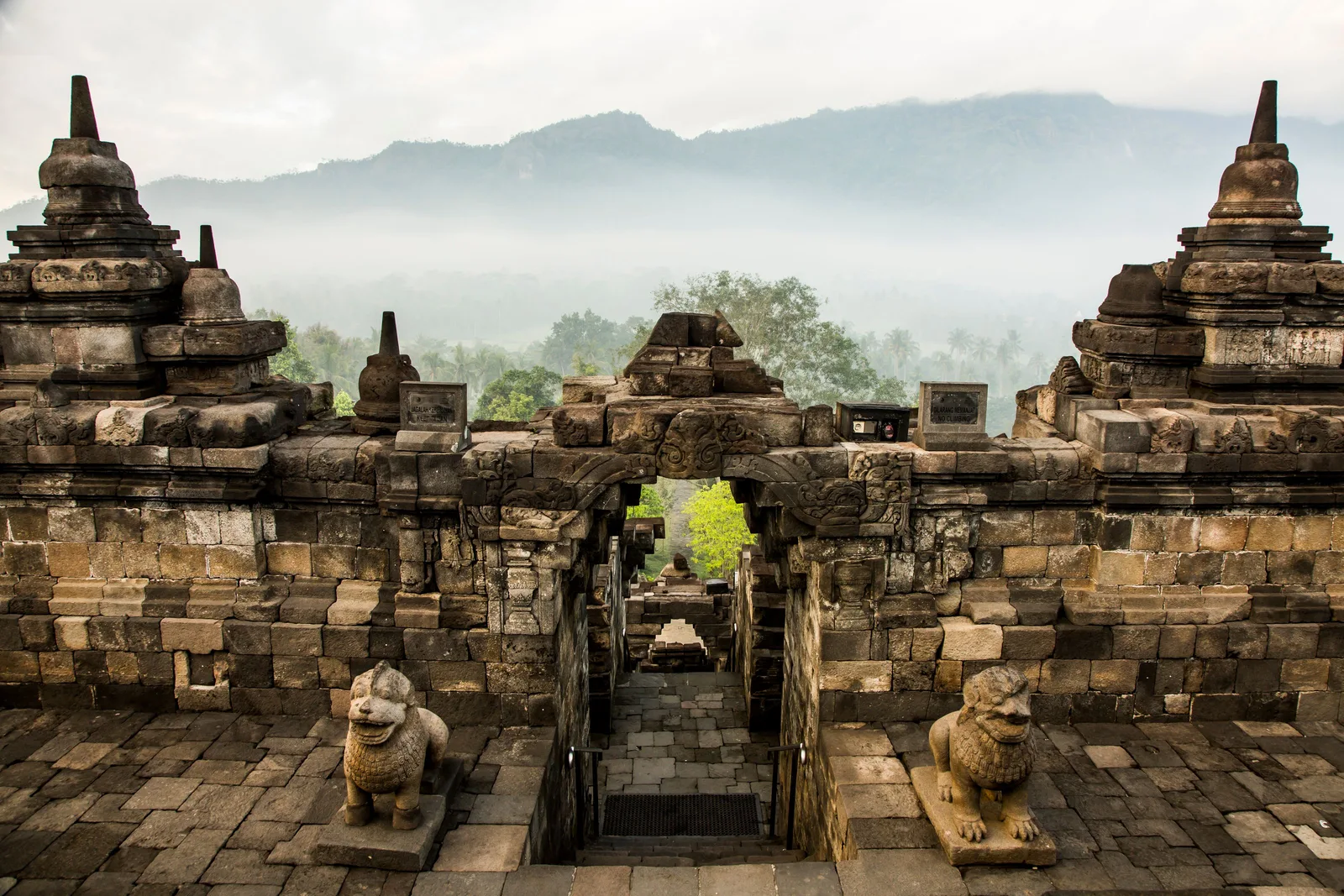
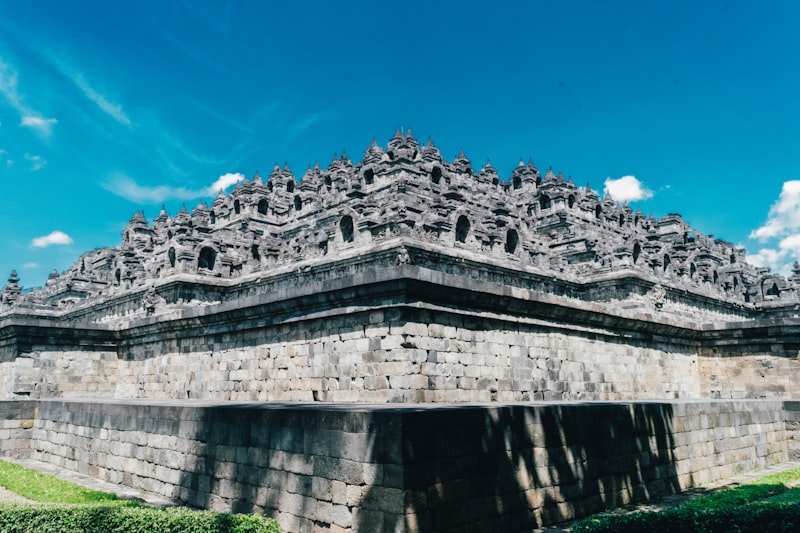
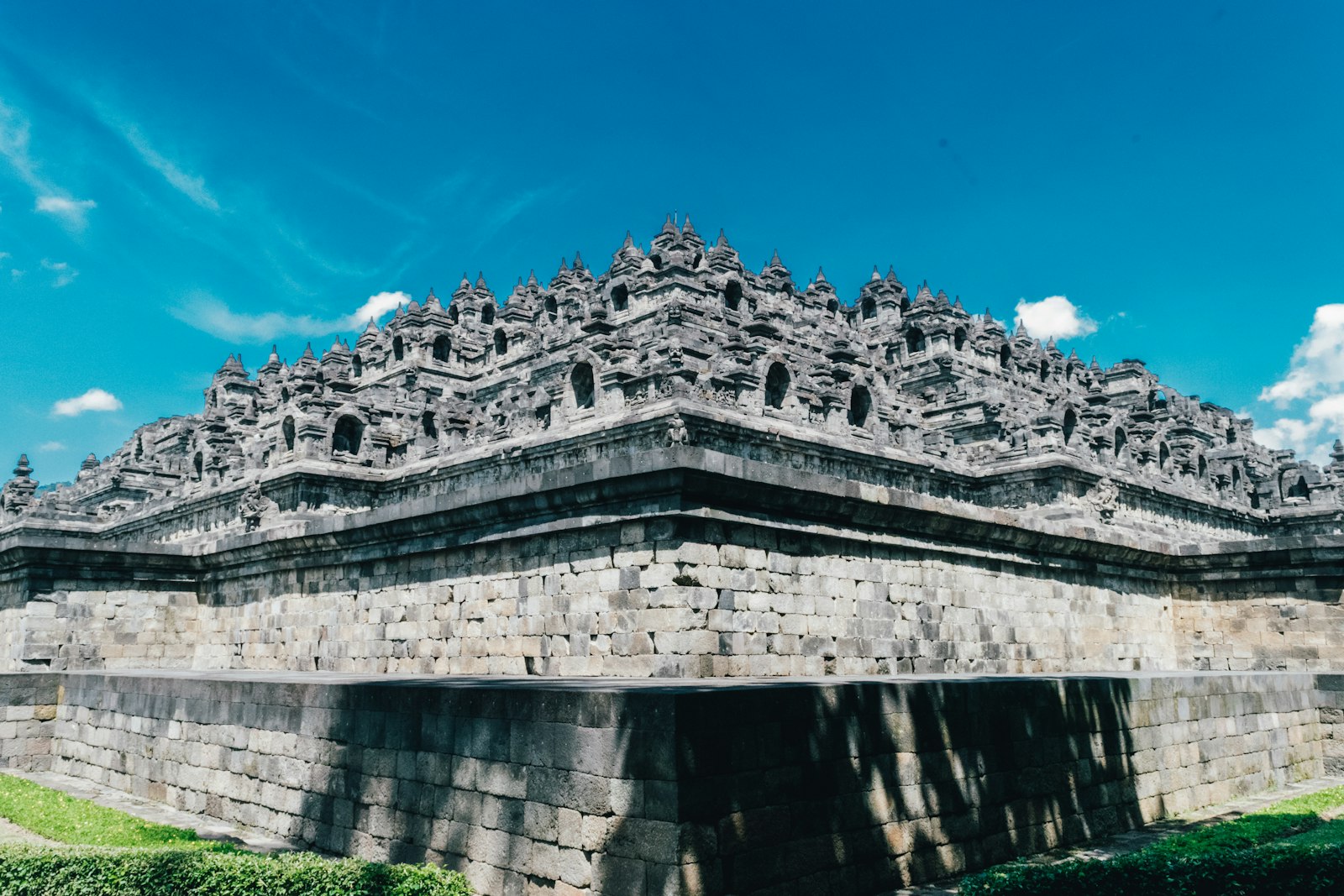
The single most useful thing to understand before you book anything is the shape of the region. Magelang is a wide regency of villages, temples, and hills spread over roughly 1,085 km², not a compact city destination. Almost every trip ends with a road transfer, and the quality of that last transfer determines whether the rest of the day feels easy or exhausting.
Start With Your First Night
Choose your arrival route only after deciding where you will sleep first. The Borobudur area, Magelang City, and higher rural areas are different bases with different onward journeys. The where to stay near Borobudur guide explains how to choose between them.
If your first priority is Borobudur, an arrival plan that reaches the Borobudur area with enough daylight and rest may be more useful than trying to add another distant stop. If your trip begins in the city or you need an urban base, plan the next day’s travel separately rather than assuming the region works like one compact destination.
A useful test: write down the time you actually want to be standing at your destination, then work backwards. If you land in Yogyakarta at 16:00 and your base is the Borobudur area, you have a transfer plus a check-in plus a dinner problem, and probably nothing left to see. That is a normal and successful arrival day, not a wasted one.
Yogyakarta Is the Main Gateway
Yogyakarta sits about 40 to 45 km from the temple area, close enough that many visitors treat it purely as a pass-through. It has the deepest transport network, the easiest food and accommodation supply, and the most drivers to choose from. If you are on a first trip to Java, arriving there and hiring a car for the last leg is the least complicated route.
Be aware that Yogyakarta is administratively a Special Region, not part of Central Java. Practically this matters in one way: it is a separate destination with its own transport operators and its own busy roads, so a “Yogyakarta transfer” is not automatically a “Magelang transfer.”
Airports are where most people first get stuck. Yogyakarta International Airport at Kulon Progo opened as the city’s main international gateway and sits well outside the city, with published distances to Borobudur ranging from the mid-thirties to about 50 km and a drive commonly quoted at around an hour and a half. The older Adisucipto city airport is much closer to the temple area, at roughly 30 km. Sources quote these figures inconsistently, so treat them as planning guidance and check the actual route your driver will take.
Semarang as the Second Gateway
Semarang is on the north coast of Central Java and connects to Magelang over the Trans Java road corridor. It makes more sense if your wider Java itinerary runs north to south, or if you arrive into northern Java rather than through Yogyakarta.
The trade-off is time. A Semarang arrival means more hours on the road before you reach a temple, and the transfer is long enough that you should arrange it in advance rather than improvising it on arrival. If you are connecting a Semarang leg with a Yogyakarta flight or train on the same trip, check the connection carefully. The main corridor is well travelled but traffic around both cities is genuinely unpredictable, and a schedule that looks comfortable on paper can disappear entirely in a jam.
Rail, Bus, Car, and Private Transfers
Rail can be a useful part of a longer Java journey. Magelang sits on the historic corridor that runs south from Ambarawa through Magelang to Yogyakarta, a route originally built at 3 ft 6 in gauge and now preserved in part as the Ambarawa Railway Museum. KAI publishes its own service information.
What rail does not do is finish the journey. There is no station at Borobudur itself, and the closest confirmed station to the temple area is Mertoyudan at roughly 11 km, which still leaves a road transfer. If you take the train, plan to arrive in Magelang City and then cover the last stretch by car.
Public buses and shared services can be practical when current routes align with your plan. Magelang’s main city bus terminal is Terminal Tidar, and DAMRI operates intercity services in the region. Confirm the actual boarding location, final destination, payment method, and last service of the day with the operator. If that information is unclear, arrange a backup before leaving your arrival city.
Road travel gives more control over stops and luggage, but it also requires realistic pacing. A hired car or transfer can work well for a family or small group when the provider has confirmed the route, vehicle size, waiting time, and return arrangement. Do not rely on an informal promise that a driver will be available later in the day without a clear contact method.
Borobudur and Prambanan in One Day
This pairing is common enough to be worth planning properly. The two sites are about 53 km apart, roughly 45 to 50 minutes of driving without stops, though that figure stretches easily during busy periods.
Two things catch people out. First, the tickets: combined Borobudur and Prambanan deals have largely been retired for foreign visitors, so budget for two separate admissions. Second, the clock. Most visitors see Borobudur first, often early, then Prambanan in the afternoon, which works but leaves little margin if Borobudur runs late. Our two-day itinerary is the safer shape if you want to enjoy both.
Make the Last Transfer Part of the Plan
The final section of the journey matters most. A hotel, homestay, or guesthouse may be able to explain its current pickup options, nearby transport, and the safest arrival time. Send your arrival details in advance and keep an offline copy of the address and contact number.
For a weather-dependent plan such as Punthuk Setumbu, Ketep Pass, or Nepal Van Java, avoid treating an early arrival as guaranteed. Build in rest time and choose an alternative if the weather, visibility, or road situation is poor. High roads are not somewhere you want to be negotiating for the first time in the dark.
One group deserves its own note. If you are arriving with a baby, a toddler, or a child who will not manage a long transfer, the final leg is the part to negotiate in advance rather than on the day. Public transport on this route rarely provides a child seat, and a private transfer is usually worth the difference for a short hop from a gateway city. Ask specifically about luggage space, whether the driver will wait at the station rather than the airport-style far stand, and whether the property can arrange a car seat. Our Magelang with kids guide goes into arrival logistics and what to do once you are settled.
A Simple Arrival Checklist
- Confirm your first-night location before booking the final leg.
- Check current rail, bus, or transfer details through the operator, not an old itinerary.
- Ask whether your pickup point is inside the terminal or at a far stand, and how long the walk is.
- Save the accommodation contact, address, and a backup route offline.
- Ask about luggage, child seats, payment, and evening arrival before travel.
- Keep the first evening light, then use the flexible three-day itinerary to shape the rest of the trip.
Transport details can change quickly. Reconfirm them close to departure, especially for late arrivals, public holidays, severe weather, and highland stays. Schedules on this corridor do get adjusted, and a plan built from a timetable you read three months ago is not a plan.
Sustainable Tip
Choose the arrival plan that reduces unnecessary backtracking, then combine nearby activities rather than arranging separate long car journeys.
Family Tip
After a long arrival day, keep the first activity close to your accommodation and confirm child seats or luggage space directly with any driver or transfer provider.
Frequently asked questions
How far is Borobudur from Yogyakarta?
Roughly 40 to 45 km from Yogyakarta city centre, which makes it an easy day trip or a short hop in a longer Java itinerary. Almost everyone reaches the temple through Yogyakarta rather than arriving in Magelang directly.
Do I need to fly into Magelang?
There is no commercial airport at Magelang itself. Yogyakarta is the practical air gateway, and Semarang works as a second option. Plan the last leg by road from whichever city you reach.
Which Yogyakarta airport is closer to Borobudur?
Adisucipto, the older city airport, is considerably closer to Borobudur than Yogyakarta International Airport out at Kulon Progo. Sources quote differing distances for the new airport, in the mid-thirtys to about 50 km, so check the specific route rather than trusting a single figure.
Is there a train to Borobudur?
No station at Borobudur itself. Magelang sits on the historic Ambarawa to Yogyakarta rail corridor, and Mertoyudan station is the closest confirmed station to the temple area, at roughly 11 km. Most travellers still finish by road.
Can I do Borobudur and Prambanan in one day?
Yes, and it is a common pairing because they are about 53 km apart, roughly 45 to 50 minutes of driving without stops. Budget generously for traffic around Yogyakarta and buy separate tickets for each site.
Should I book a private driver or use public transport?
Public transport can work for the main leg into a city, but the final stretch from the city to Borobudur is much easier with a pre-arranged car. A driver also gives you flexibility on an early morning start, which matters a lot if you plan to be at Punthuk Setumbu before dawn.
What should I confirm about an airport pickup?
Which terminal, which car company, whether the driver waits inside or at a far stand, the fare for your route, and how you will recognise each other. Screenshot the confirmation because mobile data can be unreliable on the road.
How do I get to Ketep Pass or the highland villages?
By road, usually as part of a longer day trip rather than a single transfer. Ask your accommodation to arrange a car and to confirm the return time in advance, because evening transport from those areas is limited.
Tourism information — including opening hours, entrance fees, and transport routes — may change. Please verify with official local sources before planning your visit.
Sources and further checks
Use these primary or specialist sources to confirm current access rules, safety notices, and travel arrangements.

About the Author
Larasati Wulandari
Independent travel writer · Central Java, Indonesia
Larasati Wulandari is an independent travel writer who has lived in Central Java for eight years. She writes first-hand, practical guides to Magelang's temples, viewpoints, and local food, and reviews them regularly as conditions change.