Key facts at a glance
- Borobudur strollers
- fine on grounds, banned on the structure
- Climb with young children
- generally not advisable
- Biggest risk
- heat, not distance
- Best Borobudur slot
- first of the day
- Step-free access
- side entrance right of ticket office
- Step-free guide
- ask staff on arrival
- Food backup
- nasi goreng, bakso, mie goreng
- Free entry age
- not under 3 — a ticket is needed
Figures change without notice — treat this as a planning summary and confirm against the sources listed below.
Family travel to Magelang is entirely doable and mostly good value — the region is safe, the food is mild and cheap, and the central site is open parkland rather than a tight old town. The failure mode is not that children dislike it. It is that a plan built by an adult with adult stamina runs out of steam by 11am and turns into a bad day for everyone.
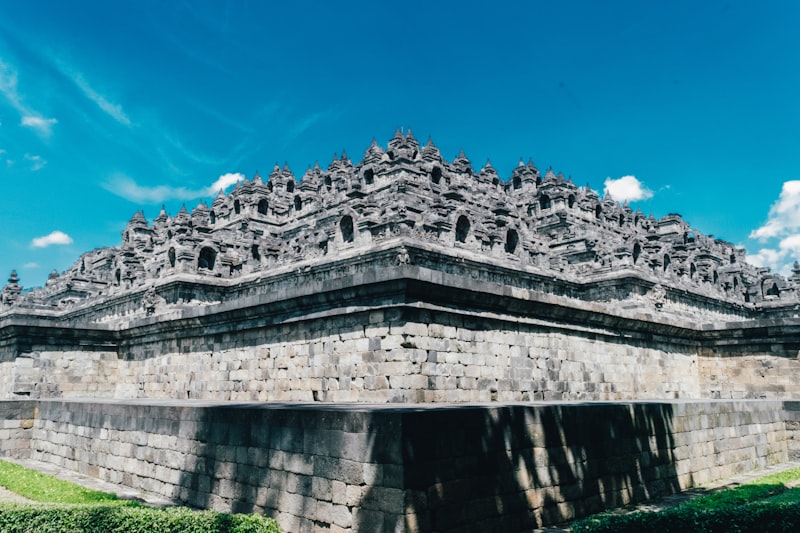
So the short version: heat, not walking distance, is what limits you with children. Borobudur is around 35 metres high with no shade anywhere on the structure, and volcanic stone stores and radiates heat. A child who is coping with the steps will usually stop coping with the heat first. Everything below follows from that.
Borobudur with children: what is actually possible
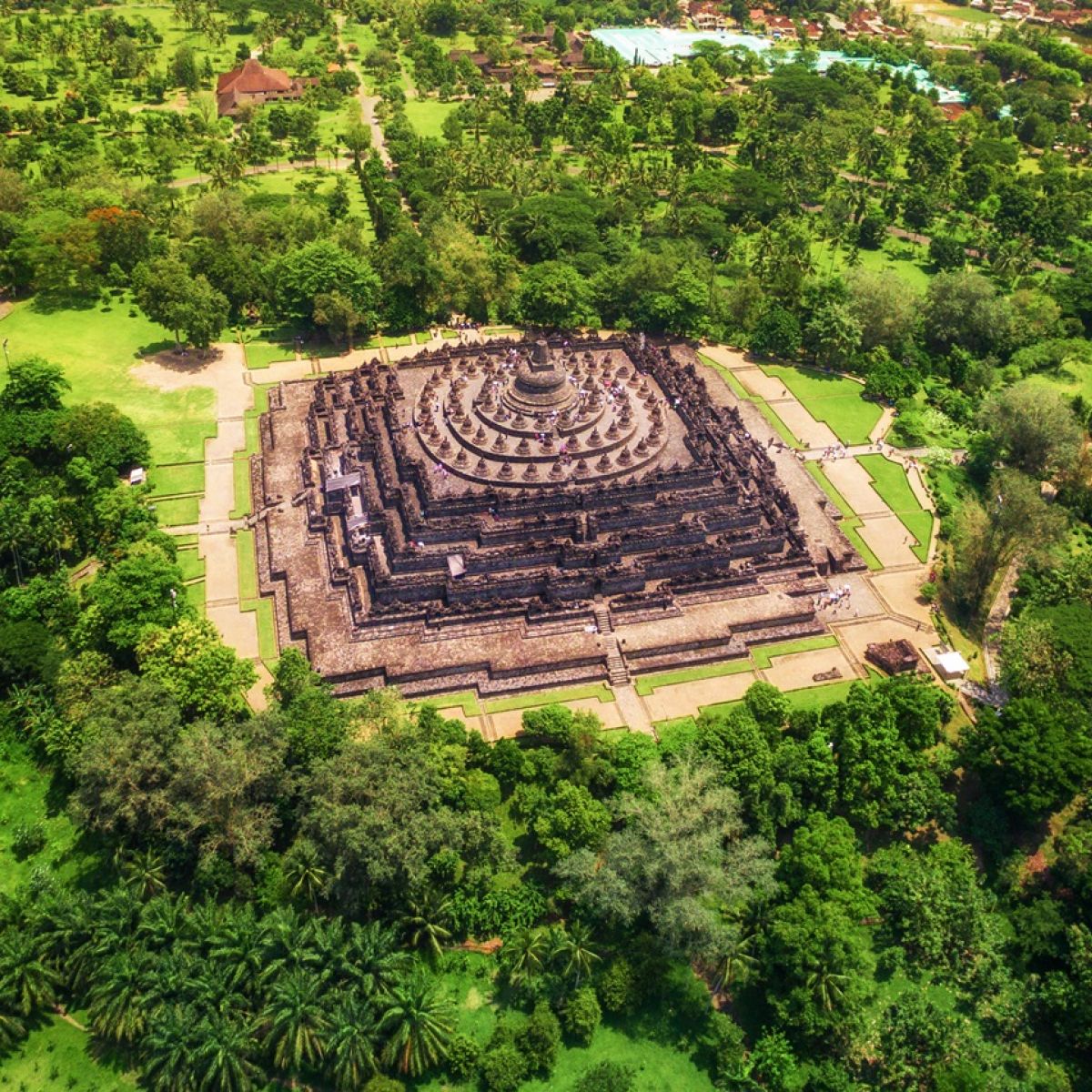
Strollers: yes on the grounds, absolutely not on the structure. The lower park is level and a stroller works well there. The structure has no lift, no ramp, and no alternative route — steep narrow stone stairs only. If you want anyone in your party on the monument and you have a small child, the workable arrangement is one adult climbs with a ticket while the other stays below, then swap or simply split. Do not plan to carry a child up.
Climbing with young children: possible, not advisable. Children can buy a ticket and go up, and plenty of families do. But the stairs are steep and worn smooth, there is no shade, drinking is not allowed on the structure, and there is nowhere to stop. Anyone with balance issues or knee problems should view from the ground — including adults. The grounds-only ticket still gets you the perimeter reliefs, which are the most extensive continuous narrative carving in Java and are genuinely interesting to look at even with no reading.
Step-free access exists. There is a step-free side entrance to the right of the main ticket office steps. It is poorly signposted, so ask staff on arrival rather than trying to find it. Mobility scooters and wheelchairs are not rented on site, so if you need one, arrange it through your accommodation in advance.
Children aged three and up need a ticket. Reduced rates for younger children are commonly quoted, and infants are usually free. Domestic and foreign child pricing is set separately — check the band at booking rather than assuming. There are no regular free-entry days.
The exit is the practical trap. Leaving the structure means a compulsory walk of roughly a kilometre through a dense maze of souvenir stalls. With a tired child this is where days collapse. Ask staff early about a shortcut route or the buggy exit — an electric buggy in the lower park is commonly quoted at around IDR 20,000. Plan a meeting point outside the maze rather than trying to find each other inside it.
The plan that works
Take the 09:00 ticket. This is the single highest-value decision for a family day. You get the coolest hours on an unshaded monument, the lightest crowd, and you are finished before the afternoon heat builds.
Split the party rather than forcing it together. If you have two adults and a child under about six, send one up with the ticket and let the other have a proper slow morning in the lower park — which genuinely is worth doing on its own. Then swap if you want, or simply meet for lunch.
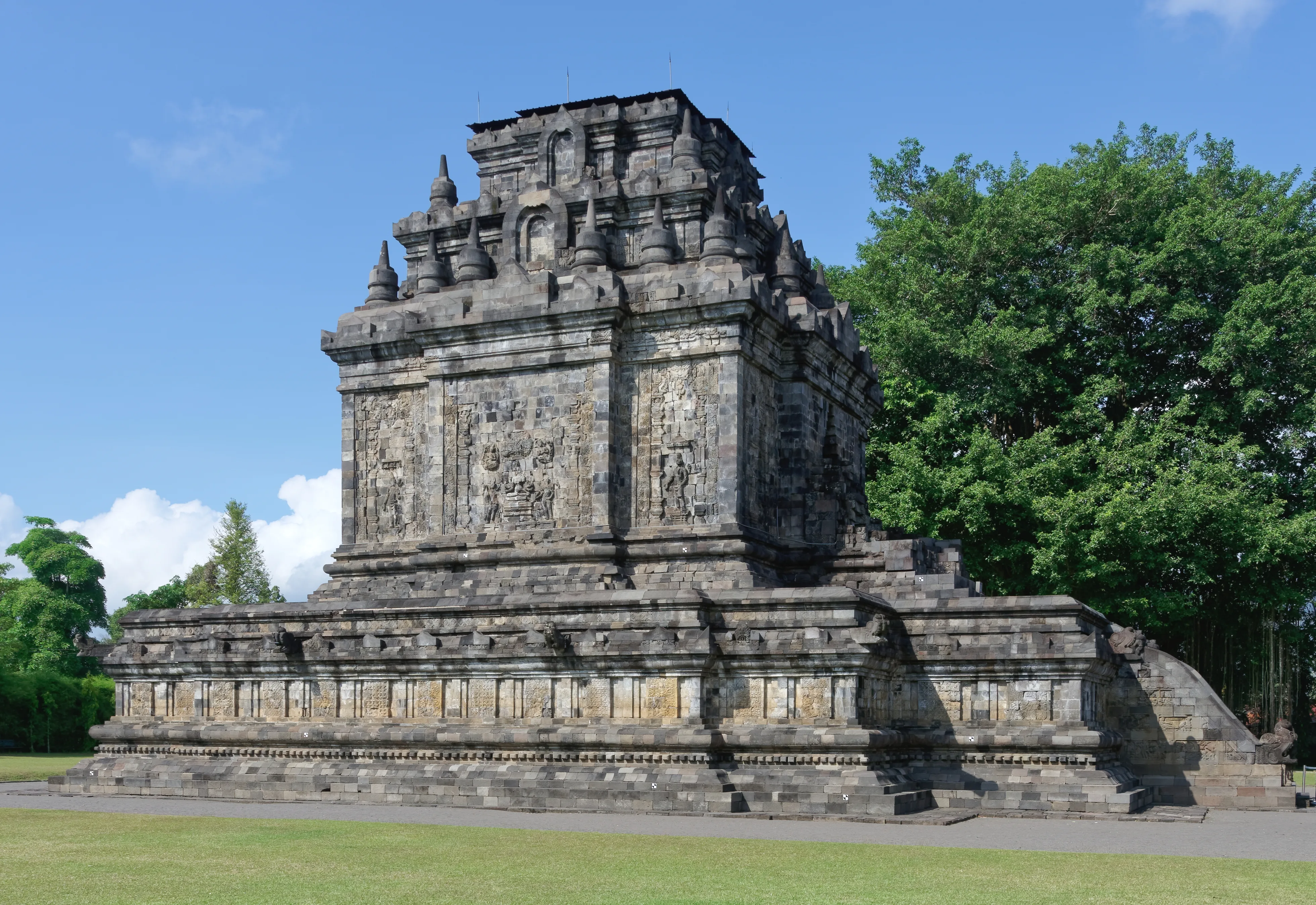
Keep the session short by design. Do not attempt Borobudur plus Mendut plus Pawon plus a viewpoint with a small child. Borobudur plus one of Mendut or Pawon is a full morning. Both of those temples sit within a couple of kilometres of each other and are reachable without a long vehicle journey — the Mendut Temple guide explains why it is the one most families should not skip.
Have an indoor or seated activity ready as a Plan B. Not as a thought, as a plan: the Wanurejo craft village has batik workshops you visit indoors and produce something you take home, which is exactly right for a wet or overheated afternoon. A long food stop is the other fallback, and Magelang’s food is the strongest thing about the region.
Put a real meal in the middle of the day, not a snack. This is what makes the difference between a good day and a difficult one. Two to three hours sitting still in air conditioning or under a fan, eating something slow, and letting everyone decompress will carry you through the afternoon. Warungs are cheap and there is always something a child will eat — see below.
Food that works with children
The region is mild by local Indonesian standards, which is a genuine advantage with younger children.
Reliable everywhere: nasi goreng, bakso with noodles, mie goreng, plain rice with a fried side. These are available at every warung and are the least likely thing on the menu to cause a problem.
The one to try: Getuk — a sweet corn and coconut snack, sold everywhere, and almost universally liked by children. It is also street food, so it is a good first walk with a small child rather than a sit-down commitment.
Warm sit-down meals: soto Magelang with nasi lesah is a broth with rice that most children accept readily, and kupat tahu is a soft, mild, well-seasoned dish that is a safe default.
Worth trying but be alert to spice: mangut beong and sop senerek are the region’s more distinctive dishes and the ones adults come here for. Both are good food, and both are worth ordering — but if your child is young or sensitive, ask about heat level before committing.
Practical: carry small snacks and water. Between-site gaps in the temple area are longer than they look on a map, and a hungry child at Borobudur is a difficult child at Borobudur.
Packing for a family day
- Refillable water bottles, at least one per child, plus a spare. Drinking is not permitted on the structure, so fill at the entrance stations. Heat makes this non-negotiable rather than good practice.
- Sun hats and light long sleeves for everyone. Long sleeves also solve the shoulders-and-knees dress expectation in one go — see the Borobudur rules and etiquette guide.
- Small bag. Anything over roughly 3 litres goes in a base locker, and you do not want to deal with that twice.
- Reef-safe or better, high-SPF sunscreen, and a hat that stays on. Consider loose long sleeves as the more reliable option for a child who will not sit still for sunscreen.
- Comfortable shoes with grip. Worn stone stairs are steep and slick when wet.
- A small towel and a change of clothes, especially for anyone under five.
- Cash, for warungs and small shops.
- Mosquito repellent, more noticeable after rain.
The what to wear and pack for Borobudur guide covers the two rules families most often trip over — the 3-litre bag limit and the footwear swap — and the hiking gear guide covers the footwear and headlamp choices if an older child is coming up Mount Andong.
Movement, transport, and the shape of the day
Two days beats one for families. The two-day itinerary gives you the flexibility to put a child’s bad morning behind a good afternoon. A single-day plan has nowhere to put it — which is why the compressed one-day itinerary is best kept to Borobudur plus one nearby temple for families.
Pushchair travel: keep to level ground. Borobudur’s lower park, Mendut, and Pawon are all workable. Viewpoints, waterfalls, and highland villages involve steps, uneven ground, and steep wet paths. With a pushchair, treat those as adult-only trips or skip them.
Older children can do a proper walk. If your child is past the toddler stage and can manage about an hour of steady uphill walking, Mount Andong is genuinely worth considering — it is a beginner hill walk, the trails are well marked, and because it is not a volcano there is no hazard clearance or specialist briefing to worry about, unlike the Mount Merapi area. Take warm layers, expect a hard walk, and treat the summit as optional; turning back at the second post is a normal and sensible family decision. Ketep Pass pairs naturally with it if the adults want the volcano view.
A driver is worth it for anything long. Public transport and ojek are fine for short hops, but a private driver for part of the day removes a lot of friction — you are not managing a toddler, a bag, and a timetable on a minibus. Indicative driver costs are in the Magelang budget guide.
Avoid the afternoon. Plan the site for morning and something seated for after lunch. Nothing in Magelang rewards an afternoon start.
Season and timing
The driest, most predictable window is roughly April to October. Between November and March, visit between November and February is hot, wet, and often overcast — the Magelang rainy season guide has the detail, but the family-relevant points are simple: an early slot becomes essential rather than merely advisable, viewpoints become a gamble worth skipping, and the indoor fallbacks are not optional.
Avoid the Vesak full-moon period if you can. Thousands of monks and pilgrims process from Mendut to Borobudur, and entry arrangements change substantially — which is fascinating to witness and a poor environment for a family plan built around normal flow.
What we would cut first
If the day is going wrong, remove things in this order:
- The viewpoint. It is the least child-friendly and least reliable item on any Magelang plan.
- The third temple. Mendut or Pawon, not both.
- The Structure Climb, without hesitation. Grounds-only loses very little and takes the steepest stairs out of the day.
- The extra stop. Nothing on this list is improved by adding one.
What you should not cut is the long food stop. It is the cheapest, fastest intervention available and it is what turns a difficult afternoon into a manageable one.
Frequently asked questions
Can children climb Borobudur?
Children can be on the structure with a ticket, and many do, but it is not advisable for young children. The stairs are steep, narrow and worn volcanic stone, there is no shade, drinking is not permitted, and strollers are prohibited. Anyone with mobility limits, balance issues or knee problems is better off viewing from the ground.
Do we need a stroller at Borobudur?
Strollers are welcome on the grounds and in the lower park and are strictly prohibited on the structure. There is no lift and no alternative route up. A carrier or a plan for one adult to climb while the other stays below works better than a stroller if you want anyone on the monument.
Is Borobudur suitable for a small child?
As a visit, yes — it is open space, shaded parkland in the lower areas, and the perimeter reliefs are genuinely interesting to look at even without reading them. The risk is heat rather than walking distance, because the monument is unshaded and stone stores heat. Go early, keep the session short, and have a plan to stop.
What will children actually eat in Magelang?
Nasi goreng, bakso with noodles, mie goreng, and plain rice are all widely available and all mild. The region is not heavily spicy by local standard. Getuk is a sweet corn snack that children usually like, and it is the easiest thing on this site to get a child to accept.
Are there toilets and shade at Borobudur?
Toilets are available in the lower park and the main visitor areas. Shade on the monument itself is the problem — there is none anywhere on the structure, which is why an early slot matters so much with children. Plan breaks in the lower park rather than on the terraces.
Is it manageable with a pushchair and a long walking day?
Borobudur itself is manageable because the lower park is level. But a full day combining Borobudur with viewpoints or the highlands is not, because those involve uneven ground and steps. For pushchair travel, keep the day to the temple axis and add only level stops.
What is the safest single thing to do with children in Magelang?
Borobudur grounds plus Mendut, done early, with a long unplanned food stop afterwards. It is shaded parkland, level paths, an open landscape, and a good local meal within reach. Skip the viewpoints entirely and the day works for almost any age.
How much walking is too much for a child?
The honest answer is that heat, not steps, is the limiting factor. A child who is coping with the walk will usually stop coping with the heat first, because the monument is 35 metres high with no shade and the stone radiates it. Watch for overheating rather than tiredness, and leave before it becomes a problem.
Tourism information — including opening hours, entrance fees, and transport routes — may change. Please verify with official local sources before planning your visit.
Sources and further checks
Use these primary or specialist sources to confirm current access rules, safety notices, and travel arrangements.

About the Author
Larasati Wulandari
Independent travel writer · Central Java, Indonesia
Larasati Wulandari is an independent travel writer who has lived in Central Java for eight years. She writes first-hand, practical guides to Magelang's temples, viewpoints, and local food, and reviews them regularly as conditions change.