Key facts at a glance
- Borobudur structure climb
- Around IDR 455,000 for foreign visitors (verify with the operator)
- Borobudur grounds only
- Around IDR 412,500 for foreign visitors
- International student rate
- Around IDR 325,000 with a valid ISIC card
- On-monument sunrise
- Around IDR 1,000,000, capped at 100 people per day
- Prambanan, separately ticketed
- Around IDR 400,000; combined deals largely retired in 2025
- Warung main course
- IDR 15,000-30,000
- Typical day, no climb
- About IDR 400,000-500,000
- Typical day, with climb
- About IDR 855,000-955,000
Figures change without notice — treat this as a planning summary and confirm against the sources listed below.
Magelang is one of the more affordable parts of Central Java to visit, but “affordable” is doing a lot of work in that sentence. The temples are cheap by Southeast Asian monument standards. Borobudur’s structure climb is not cheap at all, and it is the single line item most likely to surprise someone who assumed this was a budget destination.
This guide gives realistic figures so you can build a budget before you arrive rather than after. Treat every number here as a planning range, not a quote. Ticket prices, wage levels, and homestay rates in Indonesia all move, and a guide written six months ago is already out of date.
The one number that dominates: Borobudur admission
If you visit nothing else, Borobudur is the cost centre of the trip. Two separate products exist, and they are not interchangeable.
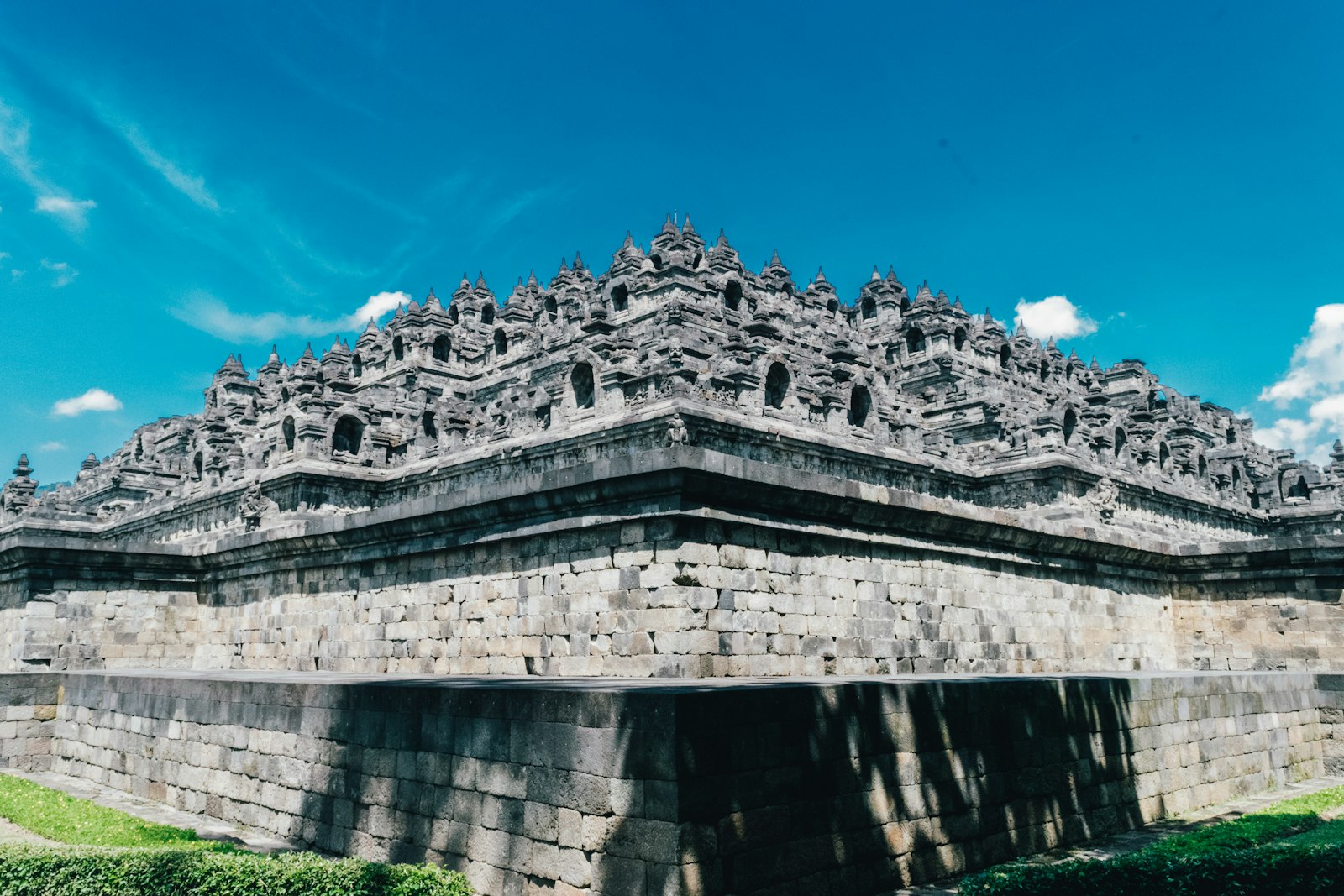
The structure climb ticket — the one that takes you up onto the monument itself — is quoted at around IDR 455,000 for foreign visitors. The grounds-only ticket, which gets you into the park and around the monument’s exterior, is quoted at around IDR 412,500. The gap is small, which is why the climb is usually worth taking if you have paid the entry fee and have the stamina. International students with a valid ISIC card have been quoted a lower rate around IDR 325,000. Domestic pricing is substantially lower again, reported around IDR 150,000 for the climb, but rates are calculated against IDR for foreign visitors.
Children need their own ticket from around age three, and a discount is commonly reported for younger children on the climb ticket. Bring identification showing the child’s age; assume staff will ask.
A separate, far more expensive product is the on-monument sunrise, run through the Manohara Borobudur Cultural Center and capped at 100 people per day. It has been quoted around IDR 1,000,000 for international visitors. This is a different thing entirely from the cheap dawn viewpoint at Punthuk Setumbu, which costs almost nothing. The Borobudur tickets and Structure Climb guide explains how the two “Borobudur sunrises” get confused, and the Borobudur sunrise guide covers the timing.
Prambanan is a separate ticket now — combination deals were largely phased out for foreign visitors in 2025, with Prambanan quoted around IDR 400,000. If you are planning both temples, budget roughly IDR 855,000 combined.
Daily costs outside the ticket
Outside admission, a day in Magelang is inexpensive. These are the ranges that held up across the sources we checked.
Accommodation ranges from roughly IDR 200,000 for the simplest guesthouse room near Borobudur to IDR 900,000 or more for a mid-range hotel in Magelang city. Budget homestays cluster lower, around IDR 150,000 to 400,000. The where to stay near Borobudur guide covers how location changes both price and daily transport cost, which is the part people underestimate.
Transport is the most variable line. A one-way boat across the Progo from Borobudur to the station on the other side is cheap. A local car or driver for a half-day charter runs into the hundreds of thousands of rupiah. Public buses between Magelang city and the Borobudur area cost very little but consume a lot of time. Angkot and ojek fares are low single-digit thousands of rupiah. The how to get to Magelang guide sets out the actual routes.
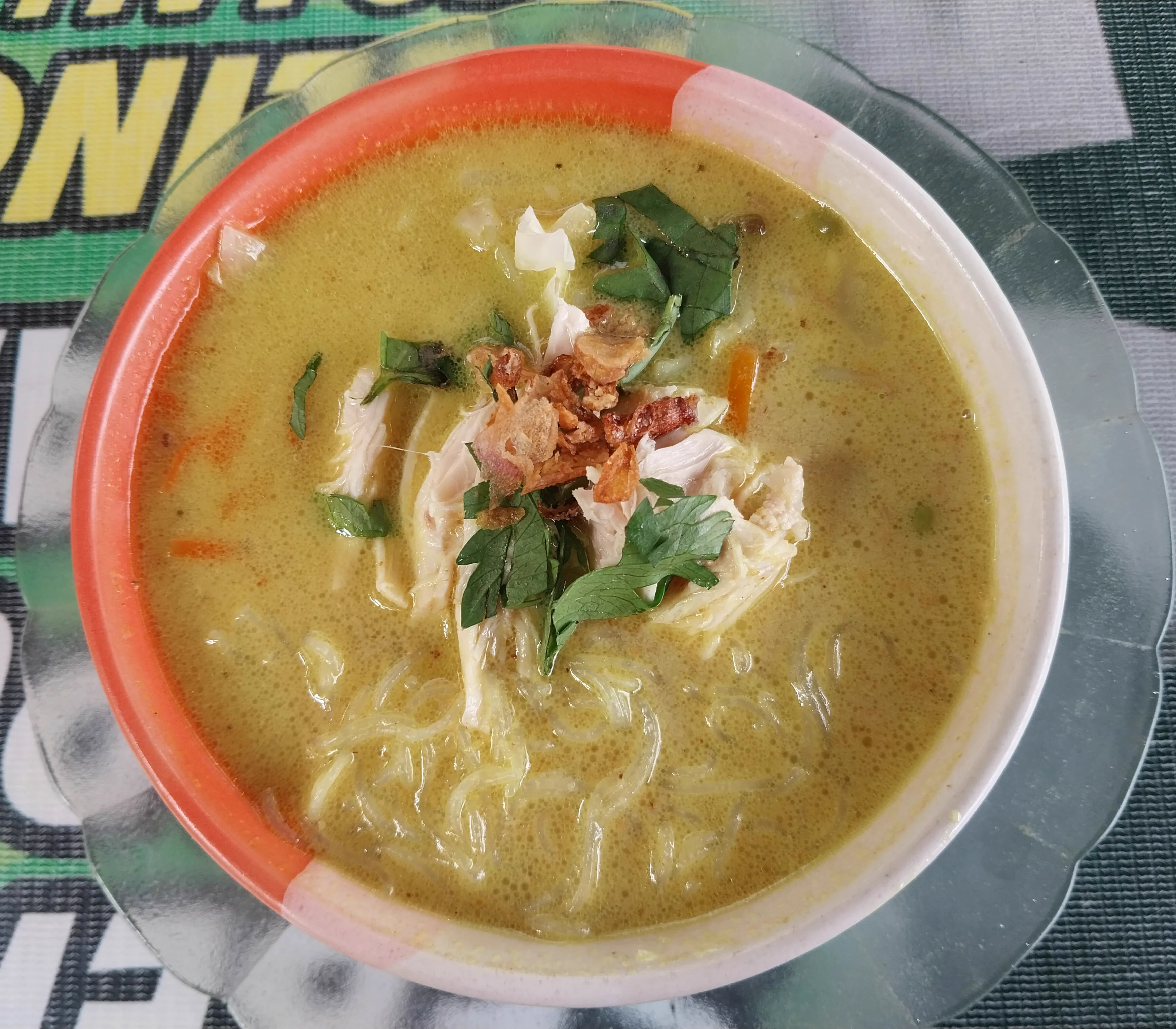
Food is where a budget trip wins or loses. A warung plate runs IDR 15,000 to 30,000. Nasi langi, soto, and nasi lesah cluster in that range. A mid-range restaurant meal runs IDR 60,000 to 130,000. Borrowing a widely repeated figure of IDR 100,000 to 250,000 per day for food is reasonable if you eat mostly at warungs.
The sneaky extras are what turn a cheap trip expensive. Borobudur requires an Upanat — the woven pandanus sandals issued for the structure climb, and yours to keep. They are included in the structure ticket but there is a counter and a queue. At the base you may be offered a buggy around IDR 20,000. Backpacks over roughly 3 litres must be left at base; lockers are free but small. There is a souvenir-stall maze on the exit route that is about a kilometre long, so plan for it rather than being ambushed by it.
What a realistic day costs
Put together: admission when applicable, a shared car or scooter hire, three warung meals, water, and a small entry fee or two.
A basic day — warung food, one temple, scooter or public transport — runs roughly IDR 400,000 to 500,000 before any structure climb. Add the climb and you are at IDR 855,000 to 955,000.
A typical day — a mid-range hotel room, a few car transfers, a mix of warungs and one proper meal, plus admission — lands around IDR 1,100,000 to 1,400,000.
A comfortable day — private car for the day, nicer accommodation, more restaurant meals — is IDR 1,500,000 or more. This is comfortably achievable and, for most people, worth it. Fighting geography on public transport to save IDR 300,000 is a poor trade when a charter eats four hours of your day.
Budgets for longer trips
Two days with the structure climb and mid-range accommodation: roughly IDR 2,000,000 to 2,600,000 per person on a shared basis.
Three days doing Borobudur, one viewpoint day, and one food-focused day at mid-range comfort: roughly IDR 2,600,000 to 3,400,000.
Five days or more start to benefit from the cost of the region itself — more transport, more food variety, more accommodation — but the per-day cost actually falls, because the fixed costs get amortised. IDR 3,200,000 to 4,000,000 for a relaxed week assuming you are not doing premium activities.
Add 20 to 30 percent headroom to all of the above. Prices change, transport costs more when you need it urgently, and a weather-disrupted day costs more because you rebook rather than plan.
Where the money is not worth cutting
Four things are worth spending on:
The structure climb ticket, if you have the fitness for it. You have paid the admission; the climb is the point of the monument.
A good pair of sandals or shoes for the stone stairs, and a hat. The climb is exposed — roughly 30 to 35 metres with almost no shade — and heat exhaustion by 11am is common. Budget shoes will make the day miserable.
Drinking water and a plan for it. You cannot drink while on the structure itself. Fill up at the entrance water stations.
A private car for the one day you most need it. Hiring a driver for a single day usually costs less than the time and stress of assembling a public transport chain across several sites. Most guides here recommend grouping nearby attractions into one outing rather than making repeated trips for a single view.
Cutting the budget without ruining the trip
Five levers actually work.
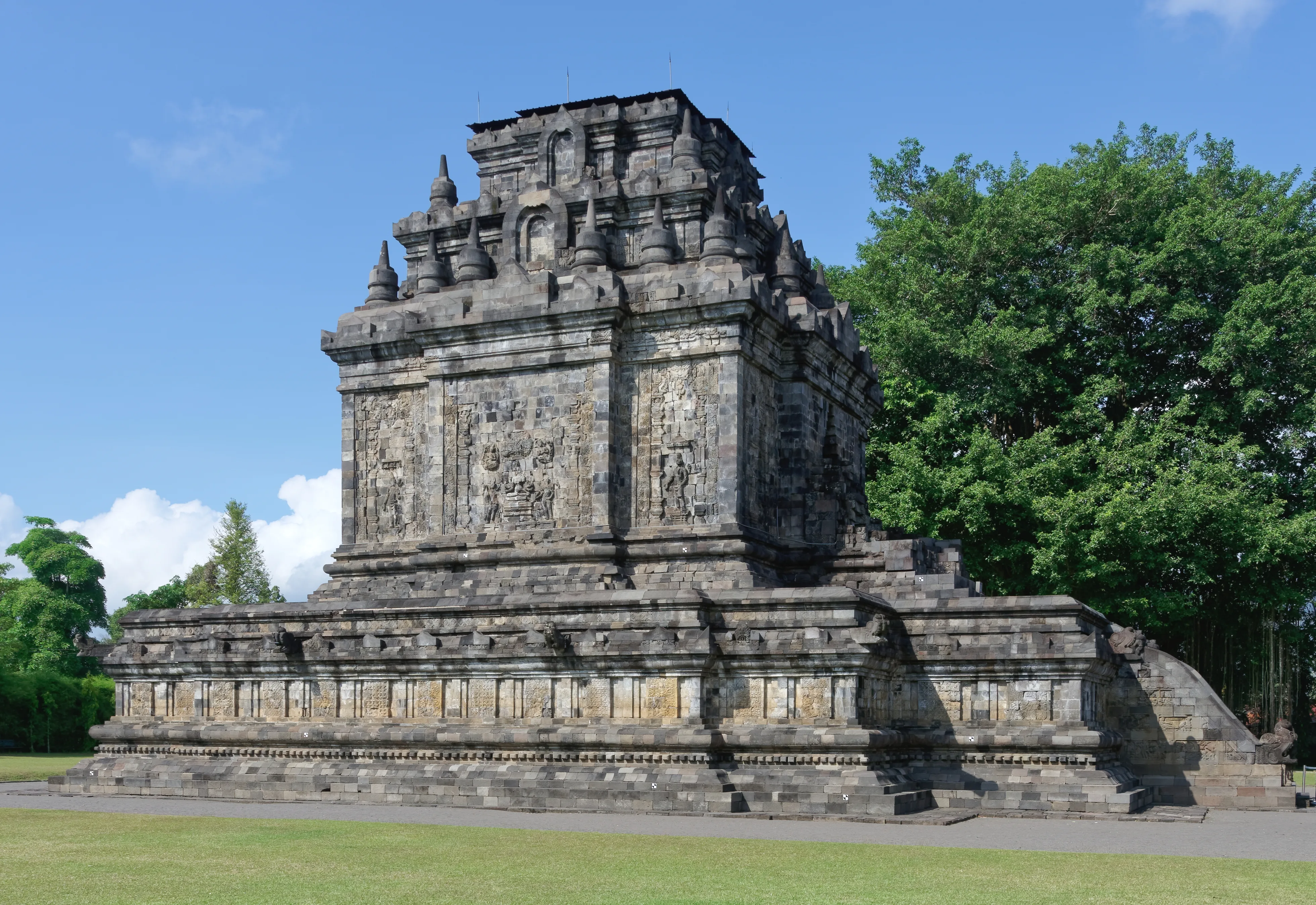
Walk the temple axis. Mendut, Pawon, and Borobudur sit on one line — the Mendut temple guide and Pawon temple guide explain how they relate. Distances are short enough that a scooter or a walk covers all three, and you save a car.
Base yourself once and stay put. Moving hotels costs money twice: the transfer, and the daily transport from the new location. See the where to stay guide for how base location changes this.
Eat where the locals eat. Warungs at IDR 15,000 to 30,000 are not a compromise on quality; they are the regional food itself. The soto and nasi lesah guide and getuk guide cover what you are looking for.
Skip paid extras you do not want. There is no need to buy every offered item at the base. Decline politely and you lose nothing.
Travel in shoulder season. The best time to visit Magelang guide covers this in detail, but the short version is that peak-season crowds affect both price and the quality of the experience more than any discount you could negotiate.
The sustainable-travel argument
The cheapest days are often also the lowest-impact days, and the correlation is not accidental. A day spent walking between three temples and eating at a warung produces less waste and fewer vehicle emissions than a day of chartered cars between distant viewpoints. It also puts more money into the local economy at the point where it is actually spent.
The sustainable travel guide covers this in more depth. The short version: fewer, better days beat many rushed ones.
Questions to ask before you spend anything
Before booking, confirm with the operator or your accommodation: current Borobudur ticket prices and which products are available; whether the climb requires advance booking; whether you need a physical ticket or only an e-ticket; current opening hours and any closure days; the true distance and transport time from your accommodation to the temple; and whether the quoted room rate includes breakfast.
The operator’s own booking channel is the right place to check prices. Widely copied third-party ticket sites have been circulating stale figures for the structure climb and stale closing-day information for some time.
Sources and further checks
Use these to confirm before committing money. Verify all admission pricing directly with the official operator rather than through a reseller.
Sustainable Tip
The cheapest and the lowest-impact days overlap: walking the temple axis and eating at warungs costs less and produces less waste than a day of chartered cars and packaged meals.
Family Tip
Check whether a child ticket is cheaper than the adult structure climb, and consider visiting the grounds with children while one adult takes the climb, then meeting up at the base.
Food Note
Warungs at IDR 15,000-30,000 are not a budget compromise. They are where the regional food is actually cooked, and the same dishes cost several times more in a tourist-facing restaurant.
Frequently asked questions
How much does it cost to visit Borobudur Temple?
Around IDR 455,000 for the structure climb ticket or about IDR 412,500 for grounds-only entry for foreign visitors. International students with a valid ISIC card have been quoted around IDR 325,000. Domestic pricing is much lower. Confirm current prices with the official operator at ticket.injourneydestination.id, because third-party ticket sites frequently publish stale figures.
Is Magelang an expensive place to visit?
No. Daily costs outside admission are low: warung meals run IDR 15,000 to 30,000, a basic guesthouse room roughly IDR 200,000, and local transport in the tens of thousands of rupiah. The one expensive line item is the Borobudur structure climb, which can double the cost of a day.
Do children pay to enter Borobudur?
Children need their own ticket from around age three, and a discount is commonly reported for younger children on the structure climb. Bring identification showing the child's age, because staff will ask. Children under around two are generally reported as free.
What are the hidden costs at Borobudur?
Three catch people out. Backpacks over roughly 3 litres must be left at the base and lockers are free but small. The Upanat woven sandals are issued at a counter and included in the climb ticket, but the queue adds time. Electric buggy rides in the park have been quoted around IDR 20,000 each.
How much should I budget for three days in Magelang?
Roughly IDR 2,600,000 to 3,400,000 per person at mid-range comfort, assuming Borobudur with the structure climb, one viewpoint day, and one food-focused day. Add 20 to 30 percent headroom for price changes and weather disruption.
Is hiring a private driver worth it?
Usually yes for a single day. A half-day or full-day charter runs into the hundreds of thousands of rupiah, which is less than the four hours a public transport chain between distant sites would cost you in time. Hire it for the one day you most need it rather than every day.
Can I save money by walking between temples?
Yes. Mendut, Pawon, and Borobudur sit on one straight line with short distances between them, so a walk or a scooter covers all three and removes a car hire from your budget.
Is the Upanat included in the ticket?
The mandatory woven pandanus sandals are issued with the structure climb ticket and are yours to keep. You walk to the temple base in your own shoes, swap to the Upanat at the base, and swap back at the exit, so bring a small bag for your footwear.
Tourism information — including opening hours, entrance fees, and transport routes — may change. Please verify with official local sources before planning your visit.
Sources and further checks
Use these primary or specialist sources to confirm current access rules, safety notices, and travel arrangements.

About the Author
Larasati Wulandari
Independent travel writer · Central Java, Indonesia
Larasati Wulandari is an independent travel writer who has lived in Central Java for eight years. She writes first-hand, practical guides to Magelang's temples, viewpoints, and local food, and reviews them regularly as conditions change.