Key facts at a glance
- Serabi cooking method
- Cooked on a clay or metal griddle in small rounds
- Serabi texture
- Crisp lacy rim, soft chewy middle, slight coconut chew
- Lumpur cooking method
- Steamed in small moulds until set, not griddled
- Lumpur texture
- Soft, custardy, spoonable, no crisp edge
- Shared base
- Rice flour and coconut milk, sweetened with palm sugar
- Typical price
- A few thousand rupiah per piece; confirm locally
- Best time to eat
- Morning through late afternoon, while still warm
- Best with
- Coconut milk poured over, or palm sugar sauce
Figures change without notice — treat this as a planning summary and confirm against the sources listed below.
Magelang has a reputation, rightly deserved, for sweet things. Getuk is the one everybody knows. Serabi is the one worth planning a stop around, and lumpur is the quiet second act that most visitors never try.
Both are made from a rice-flour and coconut-milk batter. Both are tied to Central Java rather than to any single town. But they are cooked by completely different methods, and that difference changes everything about how they eat. Understanding it before you order means you will not accidentally buy two of the same thing.
Serabi: the griddle cake with a crisp edge
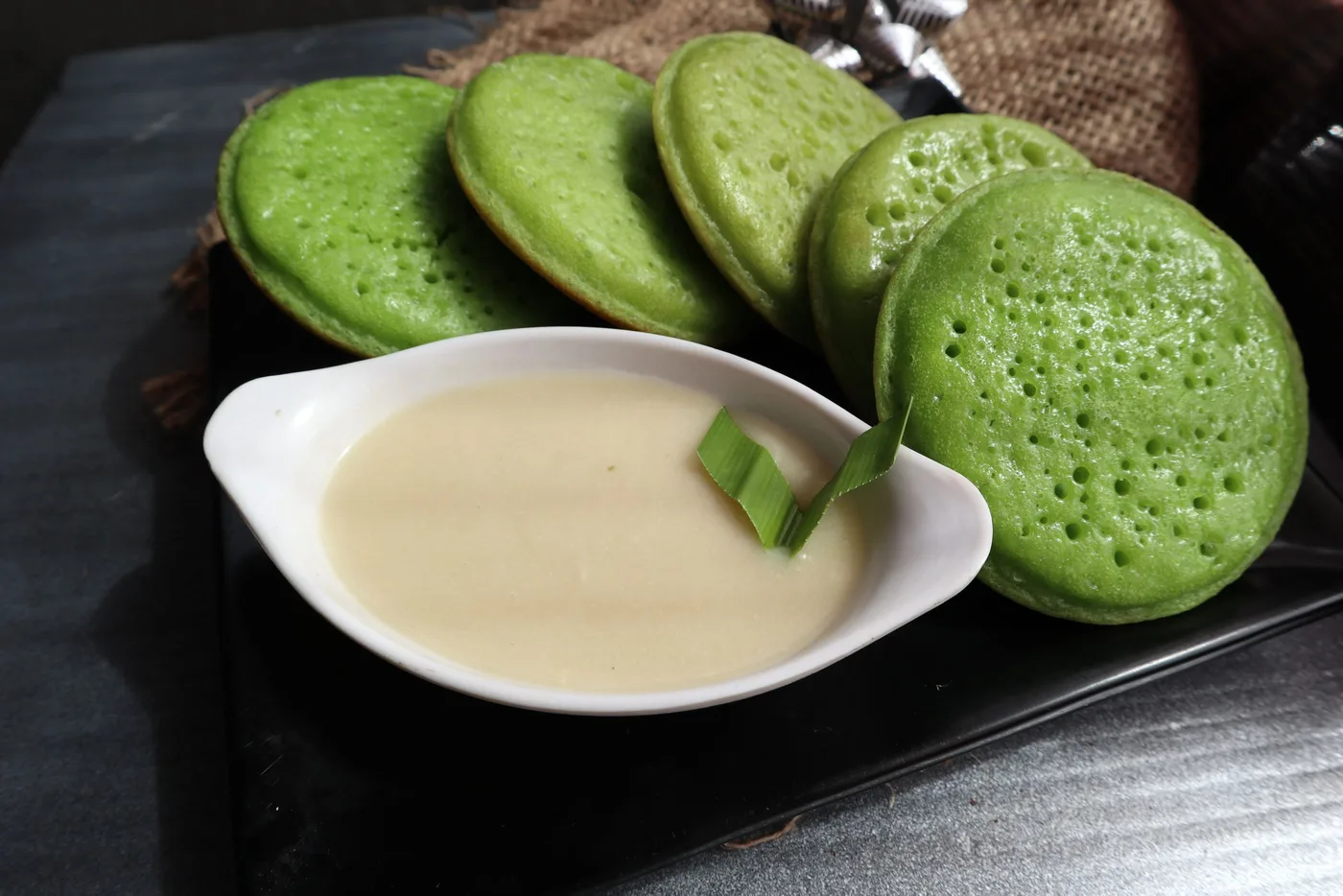
Serabi is a thin round batter cooked on a hot clay or metal griddle over a charcoal or gas flame. A small ladle of batter goes down, spreads to about palm size, and cooks for roughly a minute until the top looks set and the edges turn lacy and slightly translucent.
That edge is the signature. The outer ring crisps, sometimes almost like a lace, while the middle stays soft and has a noticeable chew from the coconut. The texture contrast is the whole point of the dish, and it is the first thing a good serabi has and a poor one does not.
Sweet serabi is made with coconut milk and sweetened with palm sugar. It is served with a drizzle of coconut milk or a palm sugar sauce, and sometimes with grated coconut on top. This is the version most people mean when they say serabi.
Savoury serabi drops the sugar and is served with a topping such as spring onion, or with a fried egg. It is eaten as a meal rather than a snack, usually with the kind of small portions that a warung serves alongside rice. If you have not eaten Indonesian savoury pancakes, this is the more surprising half of the dish.
Serabi is associated with Magelang specifically, and the area has dedicated serabi production, including village workshops where the process is visible. See the Wanurejo craft village guide for the wider craft-village story near Borobudur, which is the easiest place to watch a working serabi kitchen.
Lumpur: steamed, set, and custardy
Lumpur uses the same core ingredients — rice flour, coconut milk, palm sugar — and then goes somewhere else entirely. The batter is poured into small individual moulds and steamed until it sets. No griddle, no crisp edge, no lace.
The result is soft, dense, and spoonable, closer to a small coconut pudding than to a pancake. The name means “mud”, which is not a compliment about texture but is an accurate description of how it sets. Some vendors sell a chocolate-topped version; the classic form is plain, sweet, and coconut-forward.
Because lumpur is steamed rather than griddled, it keeps its texture a little better than serabi does. It does not become chewy in the way a cooled serabi does, but it does firm up and lose its custard quality overnight. Both are same-day products.
Ordering them well
The useful thing about knowing the difference is that you can order a comparison in a few minutes. Ask for one sweet serabi and one lumpur at the same vendor or two vendors on the same street, and the contrast is immediate and obvious.
A few things worth knowing when you order:
Ask which is cooked fresh. Serabi cooks in about a minute, so a stall with a steady queue of steam is cooking to order. Lumpur is steamed in batches, so it may have been made an hour ago.
Ask about the topping. Sweet serabi may come with coconut milk poured over, palm sugar sauce, or grated coconut. Savoury comes with something entirely different. If you are allergic or avoid a specific ingredient, ask, because the sweet version is not vegan by default and the toppings vary by vendor.
Order one before committing to several. Serabi softens. Two eaten fresh is a better decision than four eaten an hour later.
Cash. Small vendors are frequently cash-only, and this is true across the region, not specific to serabi stalls.
Where these fit in a day
Serabi and lumpur are a good breakfast or a mid-afternoon stop rather than a formal meal. There are two moments when they fit naturally into a Magelang itinerary.
Early, before the temples. A serabi and a coffee before Borobudur is how a lot of visitors start. It is fast, cheap, and does not compete with what you came to see. The one-day itinerary guide sets out the timing.
After the heritage axis, on the way back. If you are walking between Mendut, Pawon, and Borobudur — see the Mendut guide and Pawon guide for how those three relate — a sweet stop on the way out of the temple area is a natural conclusion to the morning.
In Magelang city rather than at the temple. The tourist-facing stalls near the temple tend to be the most predictable. In the city you are more likely to find vendors where serabi is one of several things they cook, which is usually a better sign about quality.
How serabi compares to other Magelang sweets
Magelang’s sweet reputation rests on more than two dishes, and it is worth knowing what else you are choosing between.
Getuk is steamed cassava, coloured with food colouring, in flavours including green, pink, and chocolate. It is denser and less fragrant than serabi, and it travels well. The getuk guide covers how to order it and how it is packaged.
Kupat tahu is a different category entirely — a savoury soup with tofu, rice vermicelli, and a thick peanut sauce, served with fried shallots and kucur. The kupat tahu guide explains why it is a breakfast food and how to order it without mistakes.
Soto Magelang and nasi lesah are savoury and entirely separate from this category. If you want the region’s actual staple food rather than its sweet reputation, start with the soto and nasi lesah guide.
Practical notes and honest limits
Serabi is made in village workshops and in small stalls across the region, and there is no single central body that sets a specification or a price. Prices we have seen for a single piece run from a few thousand rupiah upward, varying by vendor, size, and whether a sauce is included. Treat that as a range rather than a price, and confirm at the stall.
You will also encounter serabi outside Java, in Sumatra and in other parts of Indonesia, with different toppings and different proportions. Those versions are not wrong. But if your interest is specifically the Magelang form, this is what to look for: a small round, coconut-forward, with a lacy crisp edge and a chewy middle.
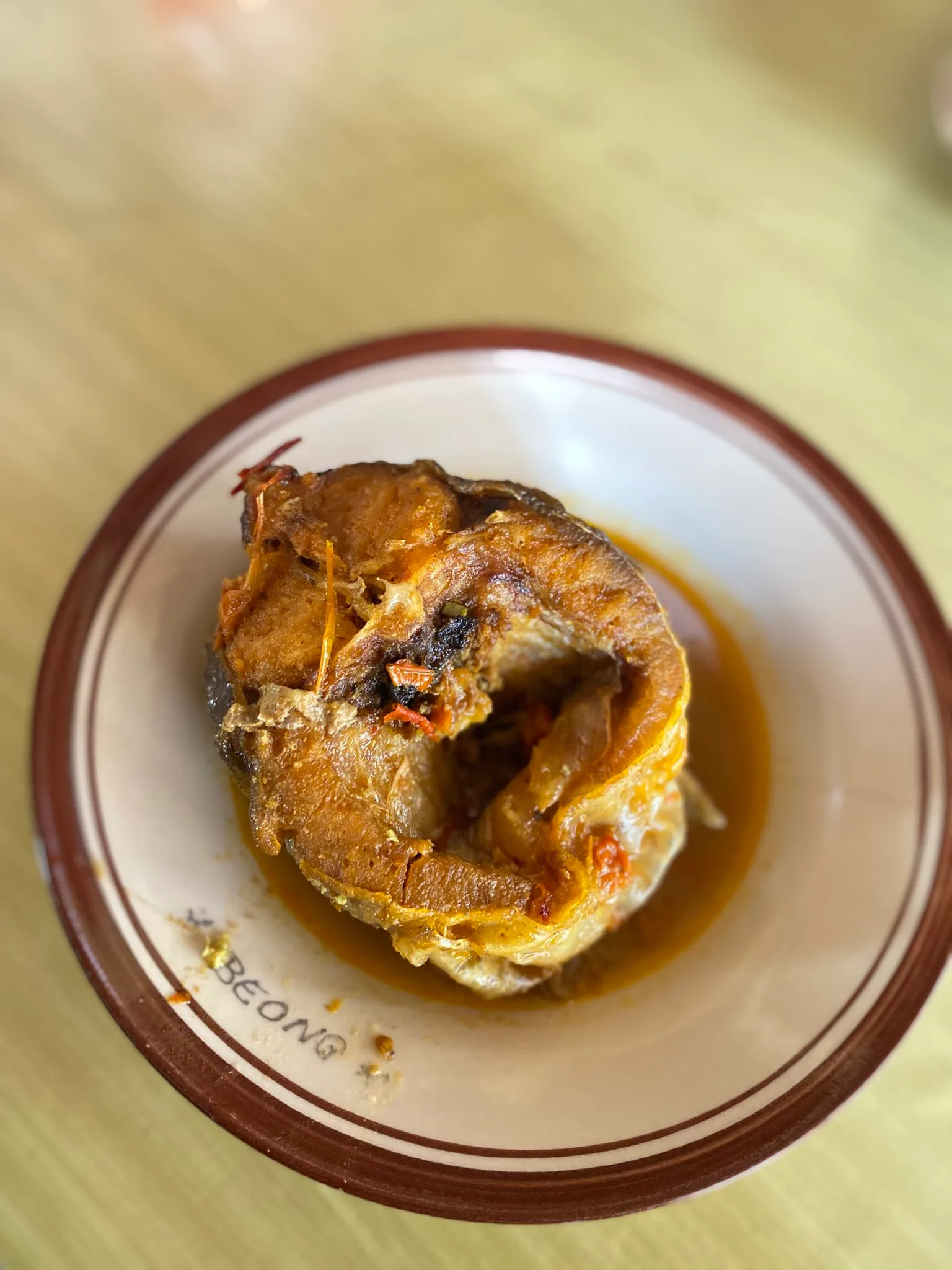
For the wider pattern of how Magelang food is ordered, read alongside the mangut beong guide, which covers a savoury dish with very different rules.
Sources and further checks
Vendor prices and availability change constantly. Confirm locally at the stall, and treat anything written here as a planning range rather than a quote.
Sustainable Tip
Serabi and lumpur are both rice-flour and coconut-milk products, so they are a lower-impact choice than a meat-heavy meal. Buy the amount you will actually eat rather than a large tray to take away.
Family Tip
Sweet serabi is small, hand-held, and easy to share. Ask the vendor to cut one into pieces for children rather than ordering individual servings.
Food Note
Serabi griddles are traditionally clay, and vendors judge the heat by hand and by eye rather than by thermometer. The lacy, slightly translucent edge is the sign of a correctly cooked round, and it is a texture you cannot get from a modern non-stick pan.
Frequently asked questions
What is the difference between serabi and lumpur?
Both use rice flour and coconut milk, but they are cooked differently and end up completely different in texture. Serabi is cooked as a thin round on a hot clay or metal griddle, which gives it crisp lacy edges and a chewy middle. Lumpur is steamed in small individual moulds until set, so it is soft and custardy all the way through with no crisp edge at all.
Is serabi a Magelang specialty?
Serabi is strongly associated with Magelang, where serabi is a well-known local craft and there are dedicated serabi villages and workshops. It also exists in variations across Java and Sumatra, but Magelang is where it is most associated with the region.
Is serabi sweet or savoury?
Both versions exist. Sweet serabi uses coconut milk and palm sugar, often served with grated coconut. Savoury serabi omits the sugar and is served with a savoury topping such as spring onion or a fried egg, and is often eaten as a meal.
What is lumpur made from?
Rice flour and coconut milk, sweetened with palm sugar, steamed until set. It is closer in character to a small steamed coconut pudding than to a pancake.
How long do serabi and lumpur keep?
Both are best eaten the same day. Serabi softens as it cools because the coconut rice batter continues to absorb moisture; lumpur firms and loses its custardy quality. Buy them in small quantities rather than a large batch.
Can I buy serabi to take home?
Yes, most vendors pack serabi to travel, but eat it as soon as you can. It is a fresh product, and the texture is meaningfully better within a few hours than after a long journey. Ask the vendor how they package it.
Is there a sweet or savoury version of lumpur?
Lumpur is most often sweet, using coconut milk and palm sugar. You will see variations with chocolate or with additional toppings at newer shops, but the classic form is the sweet steamed version.
Which should I try first?
If you have only one, take the sweet serabi. It is the better-known Magelang item, the texture is more interesting than lumpur's, and it is easier to find. Try lumpur if you prefer something closer to a pudding.
Tourism information — including opening hours, entrance fees, and transport routes — may change. Please verify with official local sources before planning your visit.
Sources and further checks
Use these primary or specialist sources to confirm current access rules, safety notices, and travel arrangements.

About the Author
Larasati Wulandari
Independent travel writer · Central Java, Indonesia
Larasati Wulandari is an independent travel writer who has lived in Central Java for eight years. She writes first-hand, practical guides to Magelang's temples, viewpoints, and local food, and reviews them regularly as conditions change.