 Save
Key facts at a glance
- Real name
- Dusun Butuh, in Kaliangkrik district, Magelang Regency
- Why the nickname
- The terraced hillside profile resembles Kathmandu's valley, not any connection to Nepal
- Backdrop
- Mount Sumbing, the region's dominant peak
- What it is
- A working agricultural village, not a scenic attraction
- Best light
- Late afternoon, when the terracing casts relief across the slopes
- Access
- Narrow village roads; confirm parking with a local contact
- Golden rule
- Ask before photographing people, homes, or working areas
Figures change without notice — treat this as a planning summary and confirm against the sources listed below.
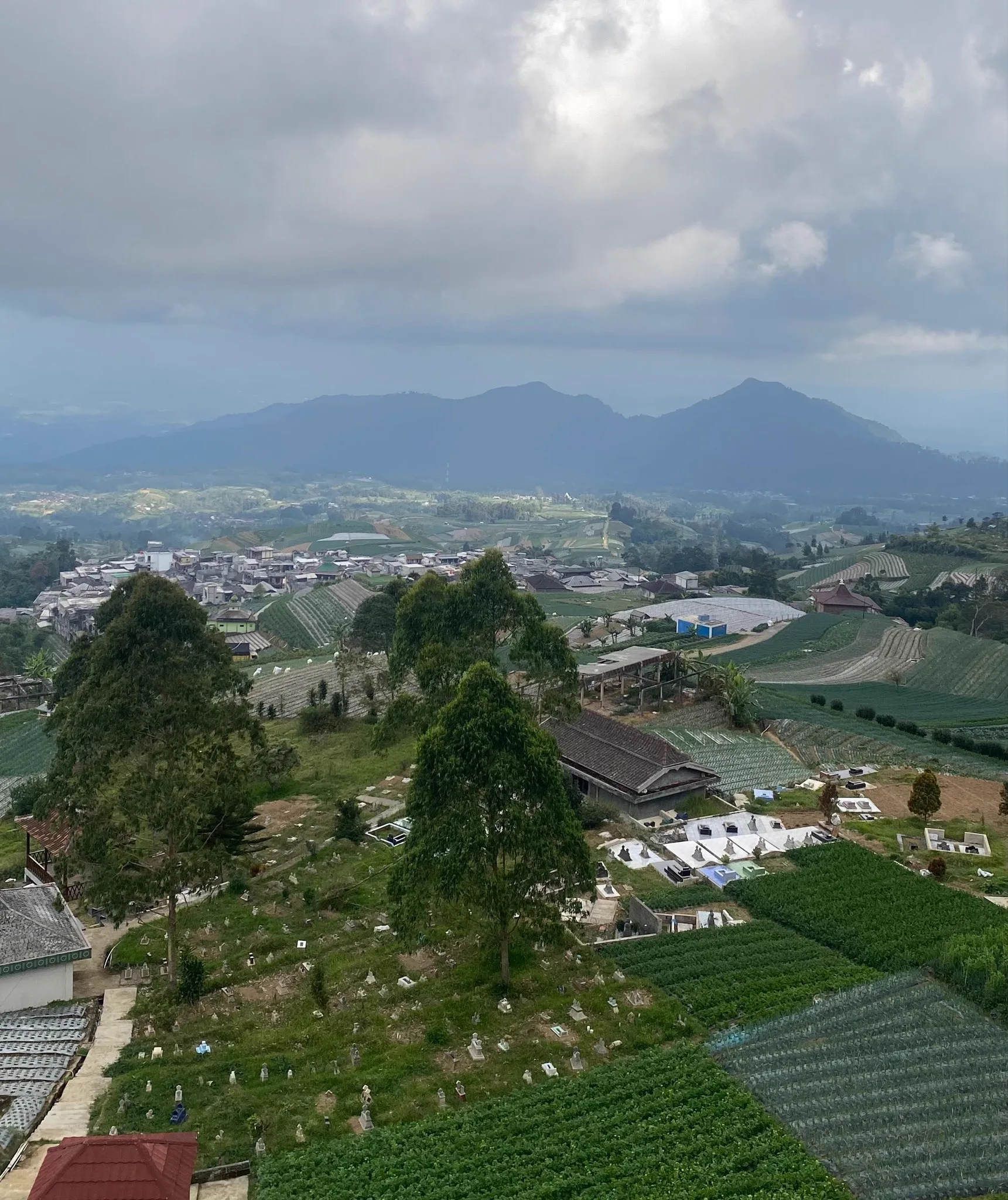
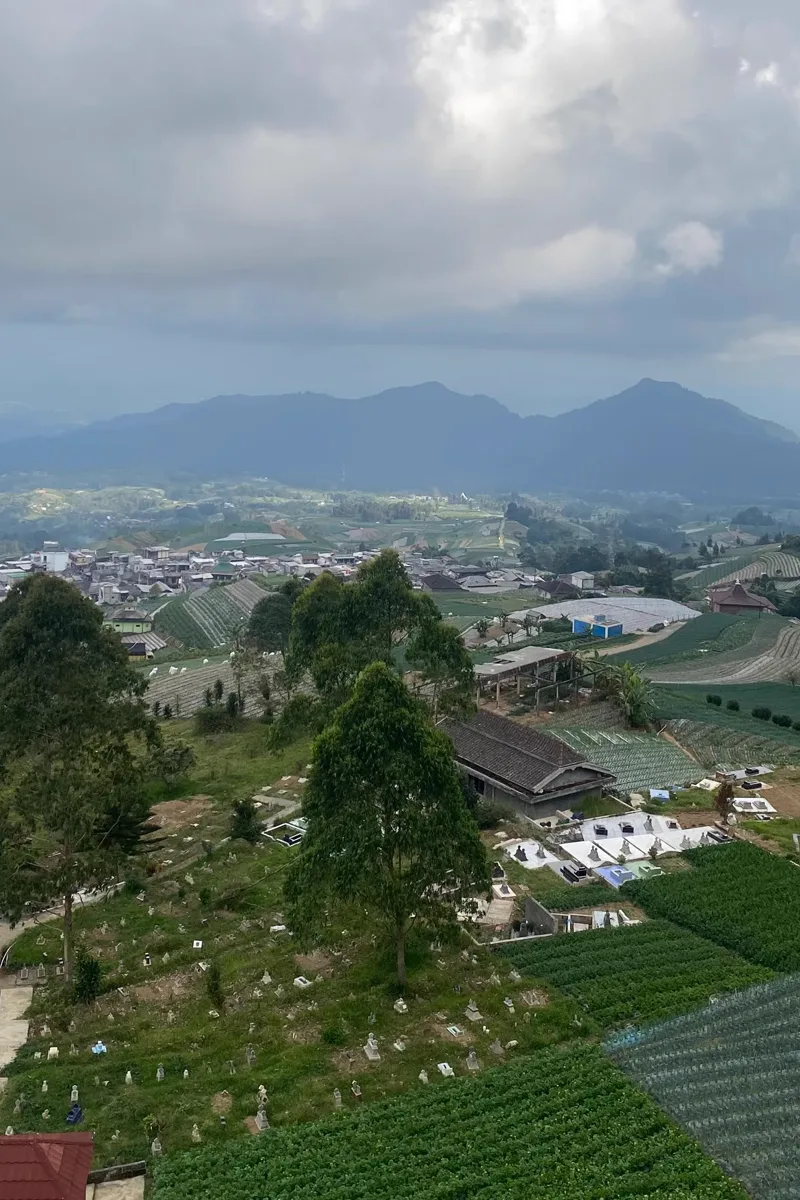
Nepal Van Java is the widely used visitor name for Dusun Butuh, in Kaliangkrik district, Magelang Regency. The name refers to the visual impression of a terraced hillside settlement beneath Mount Sumbing. It is not a place in Nepal, it is not a recreation of anywhere, and it is not a themed site — it is a village where people live and farm.
The most useful way to visit is to treat it as a highland community with changing weather, working lives, and its own daily rhythms. That framing does more for the quality of a visit than any amount of planning.
What makes the area worth considering
The draw is the relationship between settlement, cultivated slopes, and mountain landscape. It suits travellers looking for a change of pace after temples or city streets, particularly when conditions are clear enough to make the landscape legible.
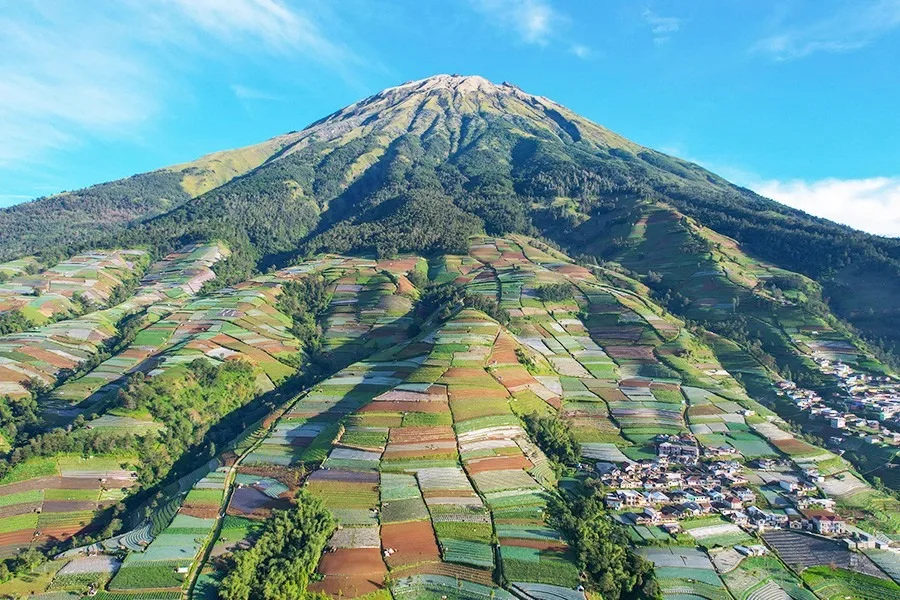
Getting the name right helps, too. Understand that “Nepal Van Java” describes a photograph of a hillside rather than a destination, and you stop expecting something that does not exist. What you are visiting is a village whose terraced fields happen to look, from a distance, like somewhere else.
Note that it should not depend on a single photograph. Cloud, rain, haze, local activity, and transport conditions all shape the day. A landscape view is a possibility, not an entitlement.
Visit a village, not a theme set
This is the section that matters most on this page.
Stay on routes open to visitors. Do not enter homes, gardens, agricultural plots, or work areas without permission.
Ask before taking photographs — of people, children, houses, animals, or daily activity. This is not a courtesy formality; it is the baseline expectation when you are a visitor in someone’s home territory. The same applies to religious activity and ceremonies, which need explicit consent.
Keep voices low and do not block narrow paths or vehicle access for a photo. Village lanes here are the working circulation of the place. A person standing in a lane for a portrait is a person someone else now has to walk around.
Do not stage or repeat other people’s lives. If someone is willing to be photographed, take the picture once and move on rather than working through a list.
If you buy food, drinks, or goods locally, confirm the price before ordering and bring a reusable bag. Respectful spending and a simple thank-you matter more than bargaining for the smallest possible amount. Money spent at local businesses with fair prices and no haggling is a much larger contribution than an awkward haggle over a few thousand rupiah.
Plan for conditions, not a perfect route
Check the latest forecast and warnings from BMKG before you leave. Ask your accommodation, driver, or a current local contact about road conditions, permitted parking, walking options, and whether any local event affects access.
Do not rely on a fixed travel time, an old fee, or a social-media route pin. All three go stale, and village road conditions change with weather and construction. A local contact who drove the road that morning knows more than any post online.
Highland weather here turns quickly. Carry a warm waterproof layer even in a season you expect to be warm, because the temperature difference between the valley and the ridge is real and you will feel it in the evening.
Keep a lower-elevation alternative ready. A temple, a food stop, or a rest day may be the better decision if rain, fog, or road conditions make a highland visit unsuitable.
What makes the landscape read well
One practical photographic note, because it changes when you should go.
This landscape depends on side light, not on clear skies. The terraces are only legible when low-angle light rakes across them and throws relief into the contours. In flat midday light the slope reads as an ordinary green hillside.
That makes late afternoon the better time, when shadows from the terrace edges reveal the whole contour of the settlement. In the wet season morning can be clearer, but the light is flatter.
You do not need a camera to benefit from this. It is simply a reason to be here later in the day rather than at dawn, which suits most visitors better than a pre-dawn start on a narrow highland road. If you do want photographs, the camera gear guide covers the one thing worth knowing here: a polarising filter will not create side light, and no filter will remove the haze that flattens a highland afternoon.
Bring the right basics
- Shoes with grip and a warm or waterproof outer layer.
- Drinking water in a reusable bottle, sun protection, and a charged phone.
- Cash in small denominations where appropriate, while confirming payment options locally.
- A bag for carrying out your own waste.
- A backup plan if the weather closes in or your group is not comfortable on uneven ground.
For other weather-sensitive options, compare the Punthuk Setumbu sunrise guide and the Ketep Pass guide. For a gentler outdoor stop in the same highlands, Propang Ranch works well with children. The sustainable travel guide explains how to make community visits with less waste and more care.
To see the landscape without travelling, browse the Nepal Van Java photo and video gallery for photographs and short clips of the terraces and village. For a favourite view on your phone, download a Nepal Van Java phone wallpaper sized for your lock screen.
How long to stay
Two to three hours is a reasonable visit — long enough to walk the lanes, sit somewhere, have a coffee or snack, and actually take in the place rather than photographing it from one spot.
It is not a day-long destination. Treating it as a respectful, unhurried stop serves the community better than a long one, and it pairs naturally with a wider itinerary. The three-day itinerary and two-day itinerary both leave room for it, and the Magelang budget guide covers what a day here realistically costs.
Sustainable Tip
Treat Dusun Butuh as a community, not a backdrop: bring reusable water, carry rubbish away, and buy only what you can use from local businesses. Most of the benefit of a visit to a working village goes to the people who live in it.
Family Tip
Highland weather and steep terrain can make the day tiring. Confirm current conditions, transport, and suitable walking options before travelling with children, and bring a warm layer — it is colder up there than you expect.
Food Note
Late afternoon is when the terraces actually read as terraces. In flat midday light the slope looks like an ordinary hillside, and it is the raking side light that turns a settlement into a landscape.
Frequently asked questions
Is Nepal Van Java really in Nepal?
No. Nepal Van Java is a visitor nickname for Dusun Butuh, a village in Kaliangkrik district, Magelang Regency, Central Java. The name comes from the visual resemblance between the terraced hillside and the Kathmandu valley. There is no connection to Nepal and nothing is a recreation of it.
Why is the village called Nepal Van Java?
From a distance the steep terraced slope with clustered houses reads as similar to the Kathmandu valley landscape. It is a descriptive nickname used for the view, and understanding that it refers to a photograph rather than a place makes it much easier to plan and visit respectfully.
Do I need a guide to visit Nepal Van Java?
Requirements change and local arrangements vary. Ask your accommodation or a local contact before travelling rather than assuming either way. What matters more than any formal rule is the conduct below, which applies whether or not someone is showing you around.
Can I photograph the villagers?
Only with permission, and ask before photographing people, children, homes, animals, or anyone working. Do not block narrow paths or vehicle access for a photograph, and do not photograph religious activity or ceremonies without explicit consent.
What is the best time of day to visit?
Late afternoon, when low light rakes across the terraces and makes the contour of the slope readable. Morning can be clearer in the wet season but the terraces are flatter in the light. This is a landscape that depends on side light rather than on clear skies.
Is Nepal Van Java suitable for children?
Yes, but the terrain is steep and the roads are narrow, so it suits older children more than toddlers. Highland weather changes fast, so bring a warm layer and be prepared to shorten the visit. The village is a comfortable stop with a walk rather than a strenuous hike.
How long should I spend there?
Two to three hours is a reasonable visit: time to walk the lanes, sit somewhere, have a coffee or snack, and absorb the place. It is not a day-long destination, and treating it as a quick, respectful stop serves the community better than a long one.
Why does the guide say not to depend on the photograph?
Because cloud, rain, haze, and local activity all shape the day, and the village is a working community whose rhythms are not staged for visitors. A clear view is a possibility, not an entitlement. Turning up for a landscape and being disappointed by people's lives is the wrong frame entirely.
Tourism information — including opening hours, entrance fees, and transport routes — may change. Please verify with official local sources before planning your visit.
Sources and further checks
Use these primary or specialist sources to confirm current access rules, safety notices, and travel arrangements.

About the Author
Larasati Wulandari
Independent travel writer · Central Java, Indonesia
Larasati Wulandari is an independent travel writer who has lived in Central Java for eight years. She writes first-hand, practical guides to Magelang's temples, viewpoints, and local food, and reviews them regularly as conditions change.