 Save
Key facts at a glance
- Photographs
- 28 images, grouped by viewpoint
- Video clips
- 13 short portrait clips
- Setting
- Dusun Butuh, Kaliangkrik, Magelang Regency
- Backdrop
- Mount Sumbing and the Kedu highlands
- Best light
- Late afternoon, when the terraces catch side light
- Entrance fee
- No ticket required at the settlement itself
- Worth pairing with
- Punthuk Setumbu for dawn; the highlands guide for planning
Figures change without notice — treat this as a planning summary and confirm against the sources listed below.
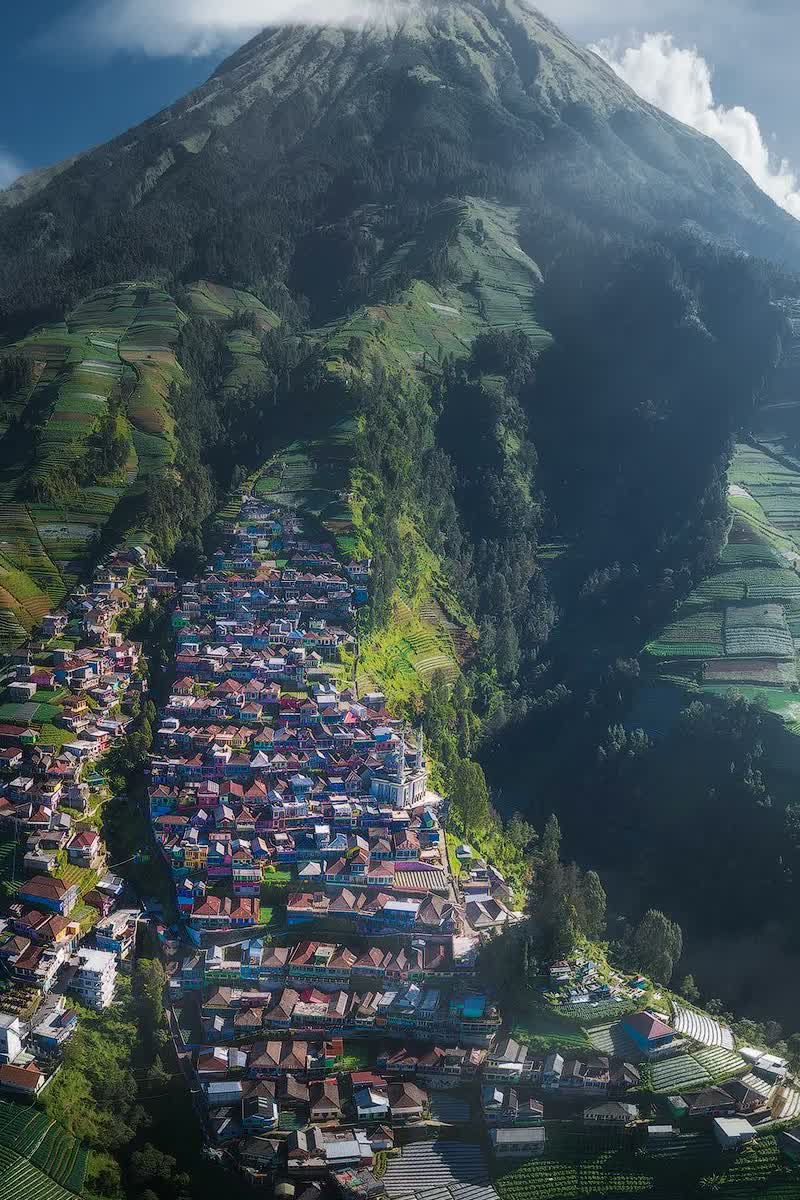
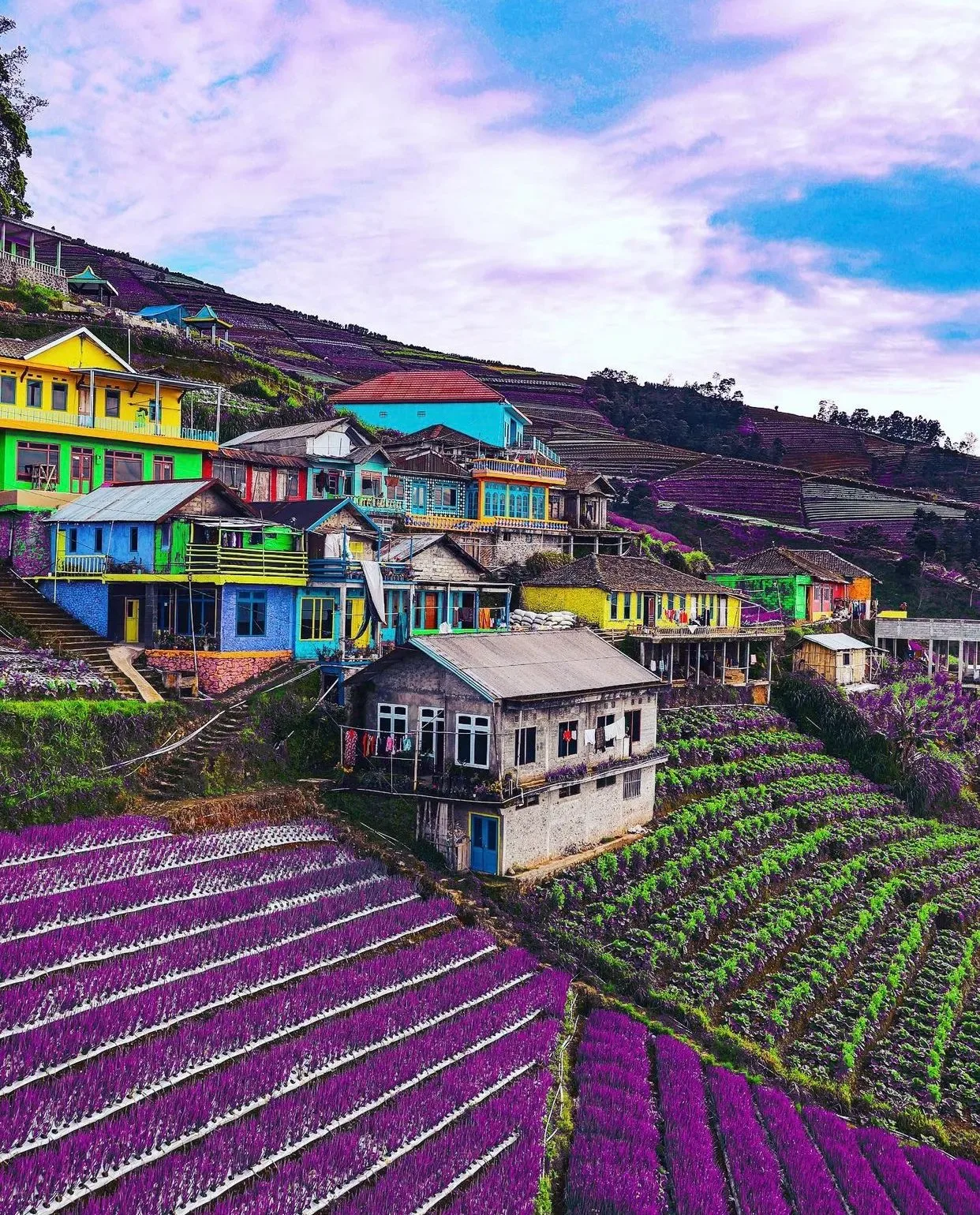
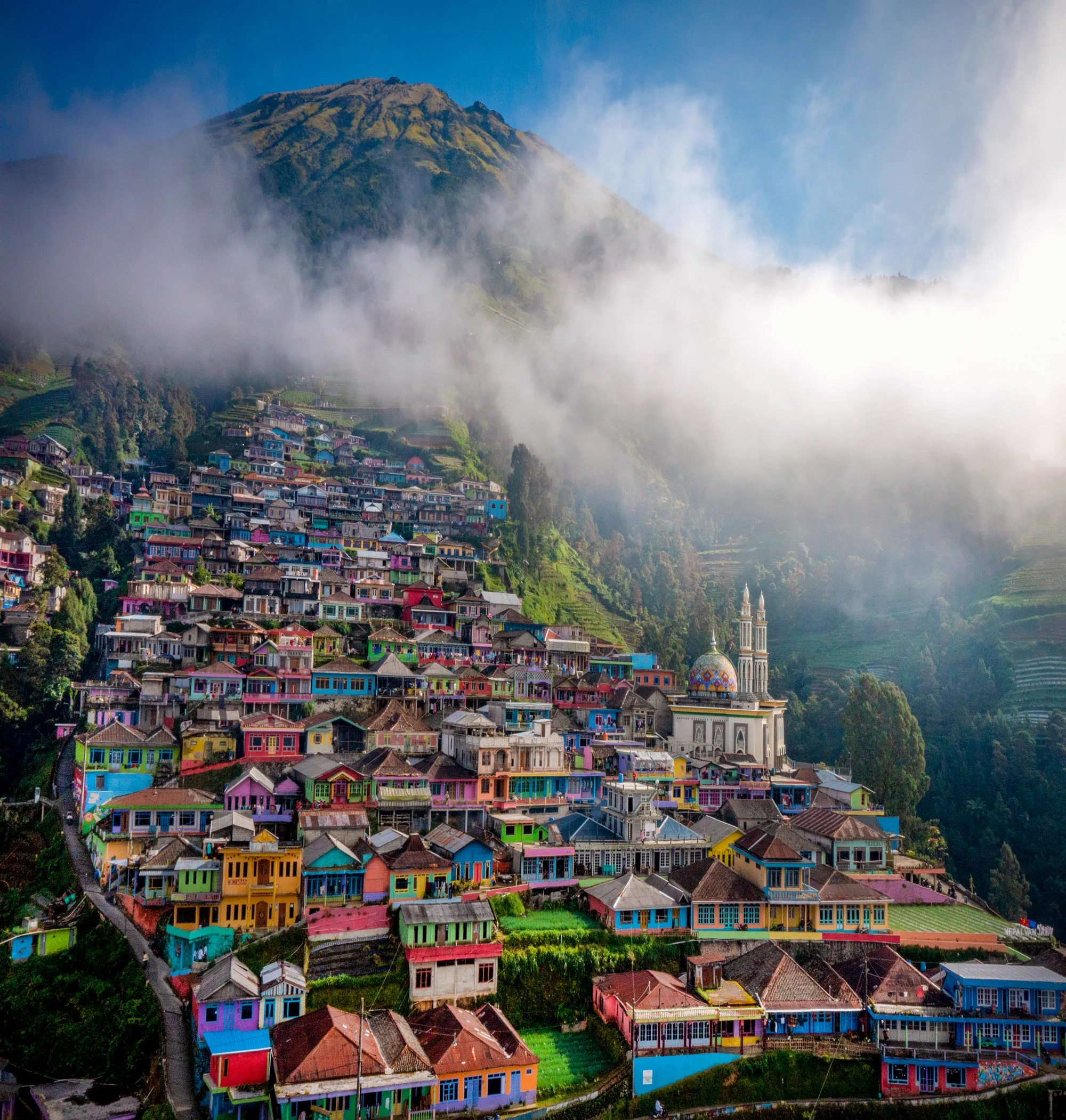
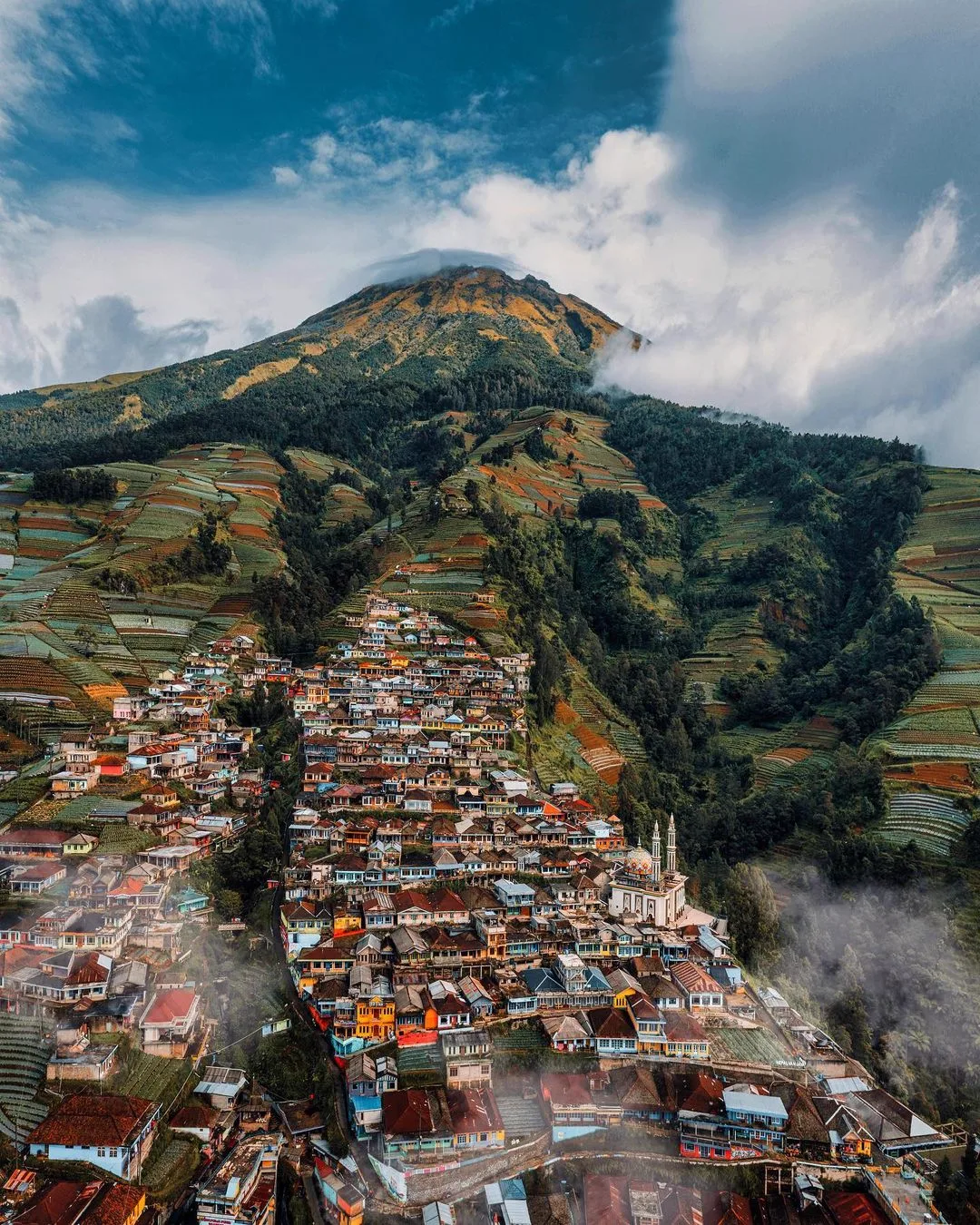
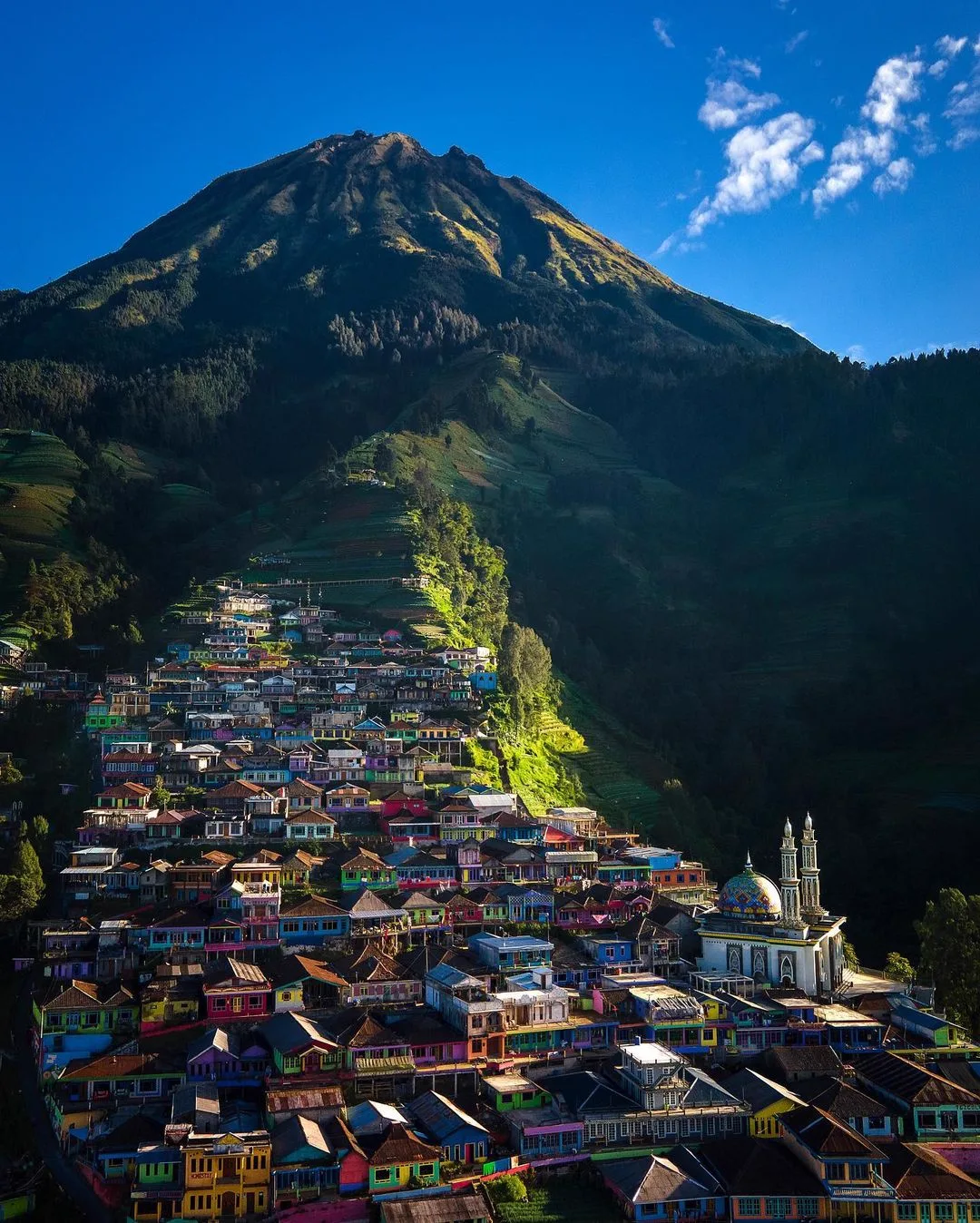
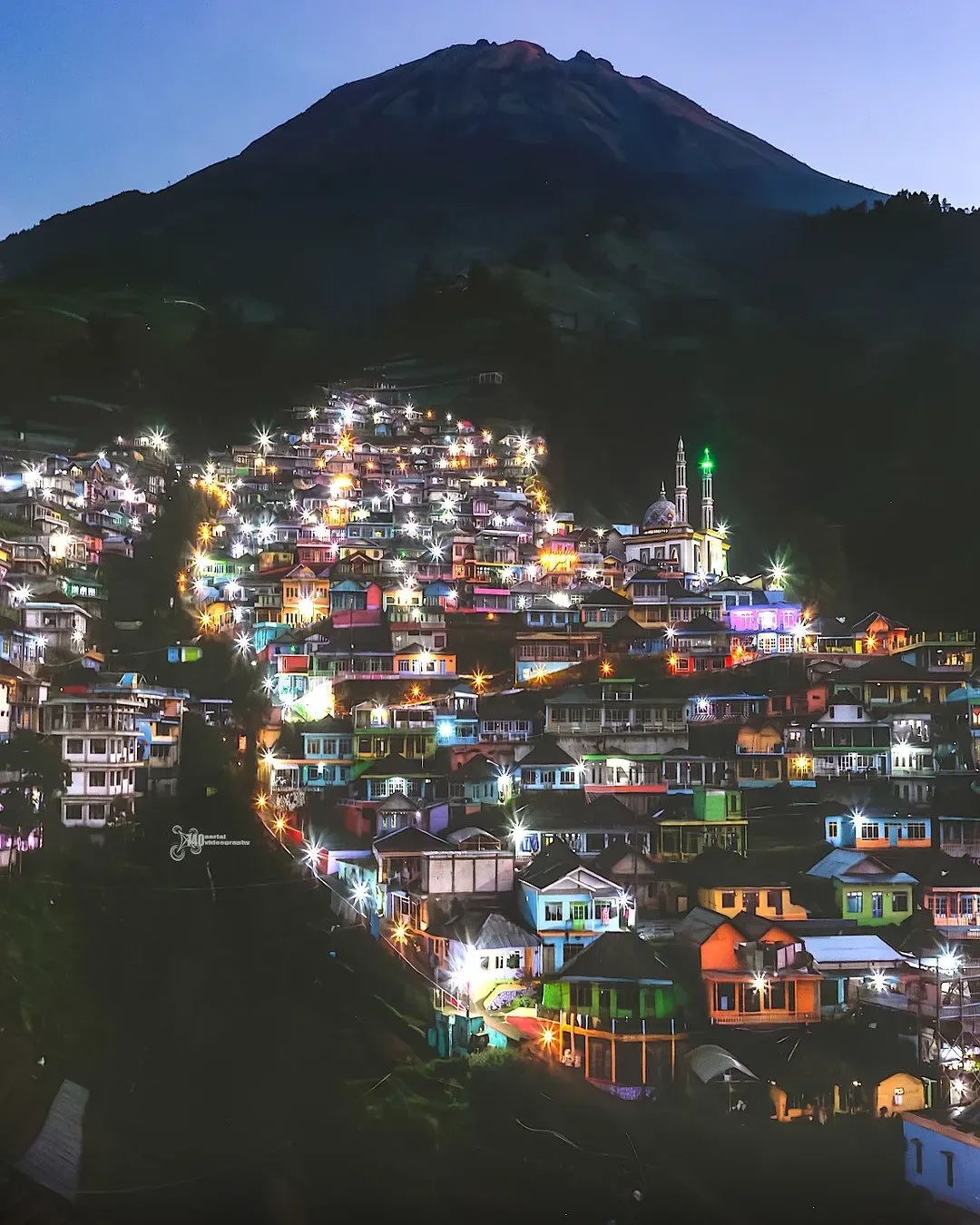
Nepal Van Java is the visitor name for the hillside settlement of Dusun Butuh in Kaliangkrik, Magelang Regency. This gallery collects photographs and short video clips of that landscape: terraced slopes, village scenes, and Mount Sumbing rising behind. It is a visual companion to the planning guide, Nepal Van Java highlands guide.
Treat these images as the area on a clear day, not a promise of any specific view. Cloud, haze, and rain shape what you actually see.
How to Read These Photographs
The set is grouped by viewpoint rather than by date, which makes it a useful record of how the landscape holds up through the day. A few things are worth knowing before you arrive, because they are visible in the pictures and they change your plan.
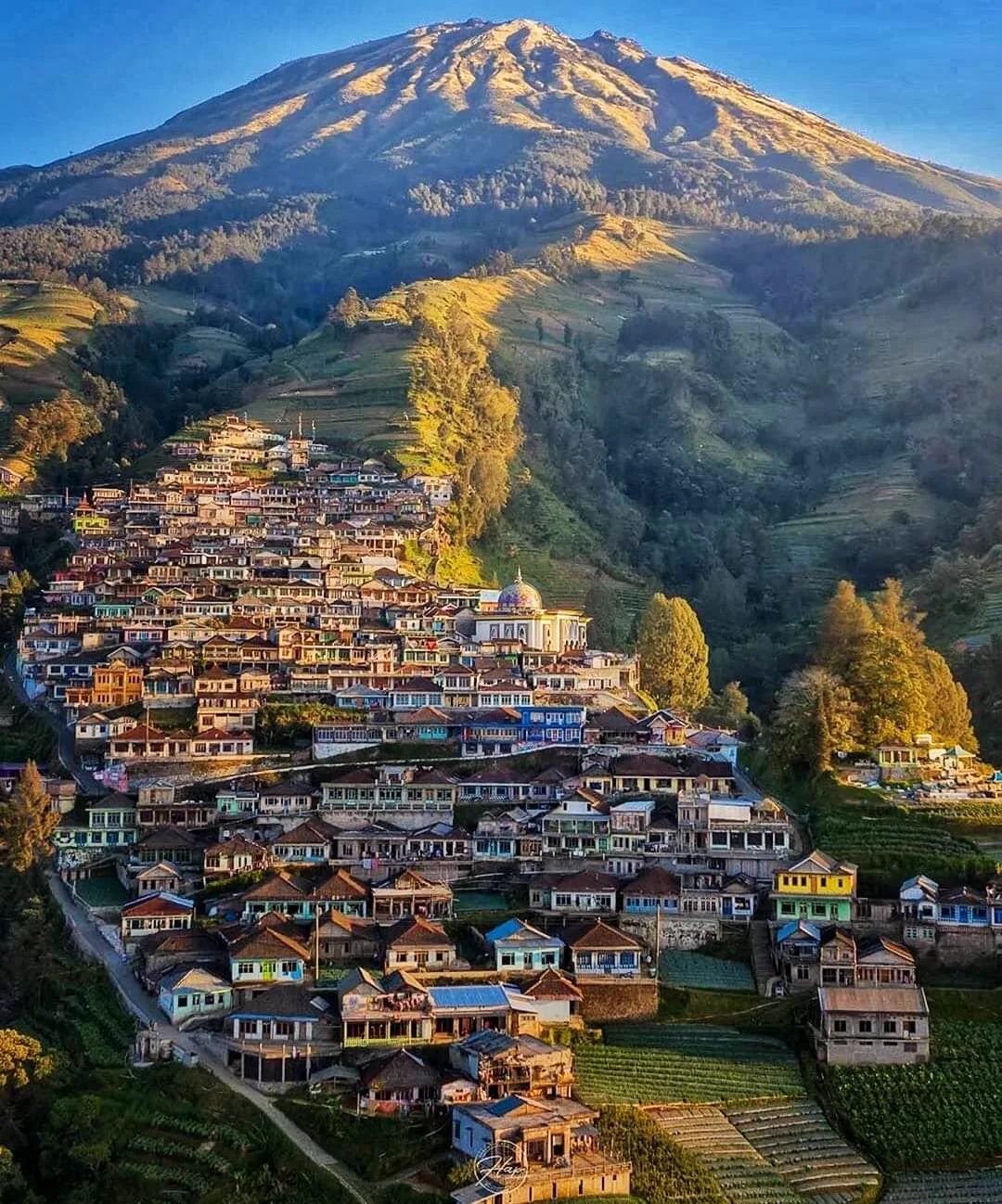
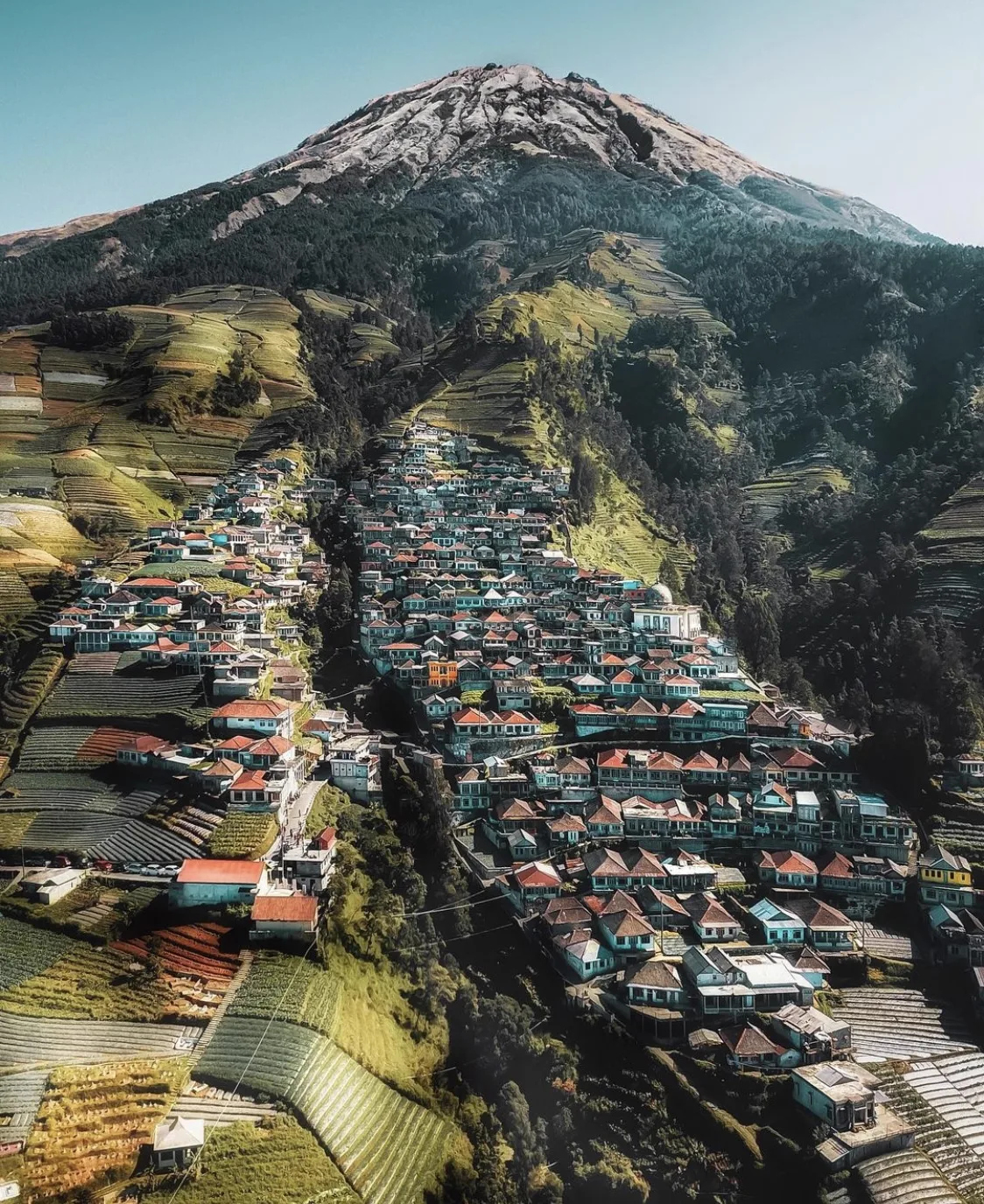
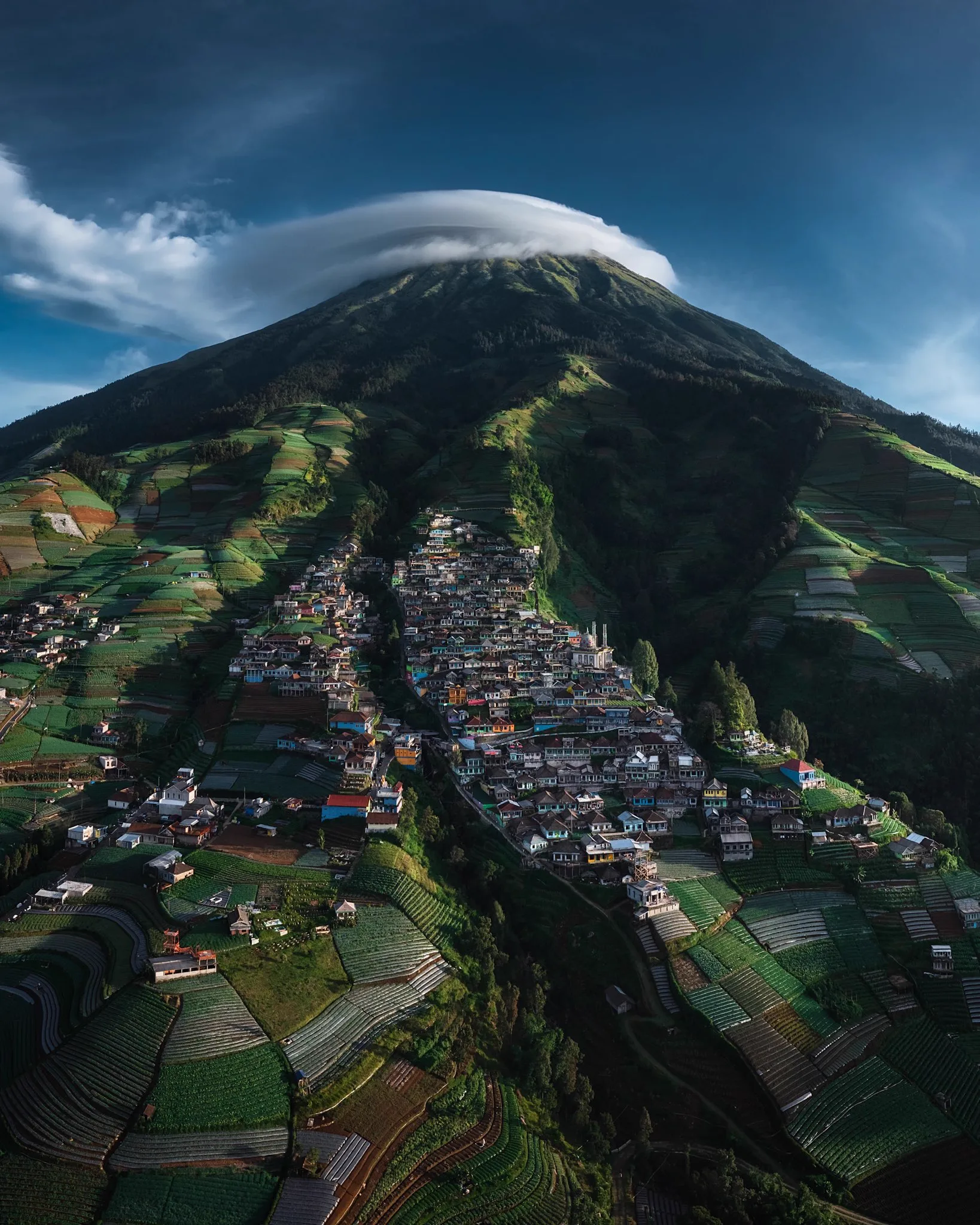
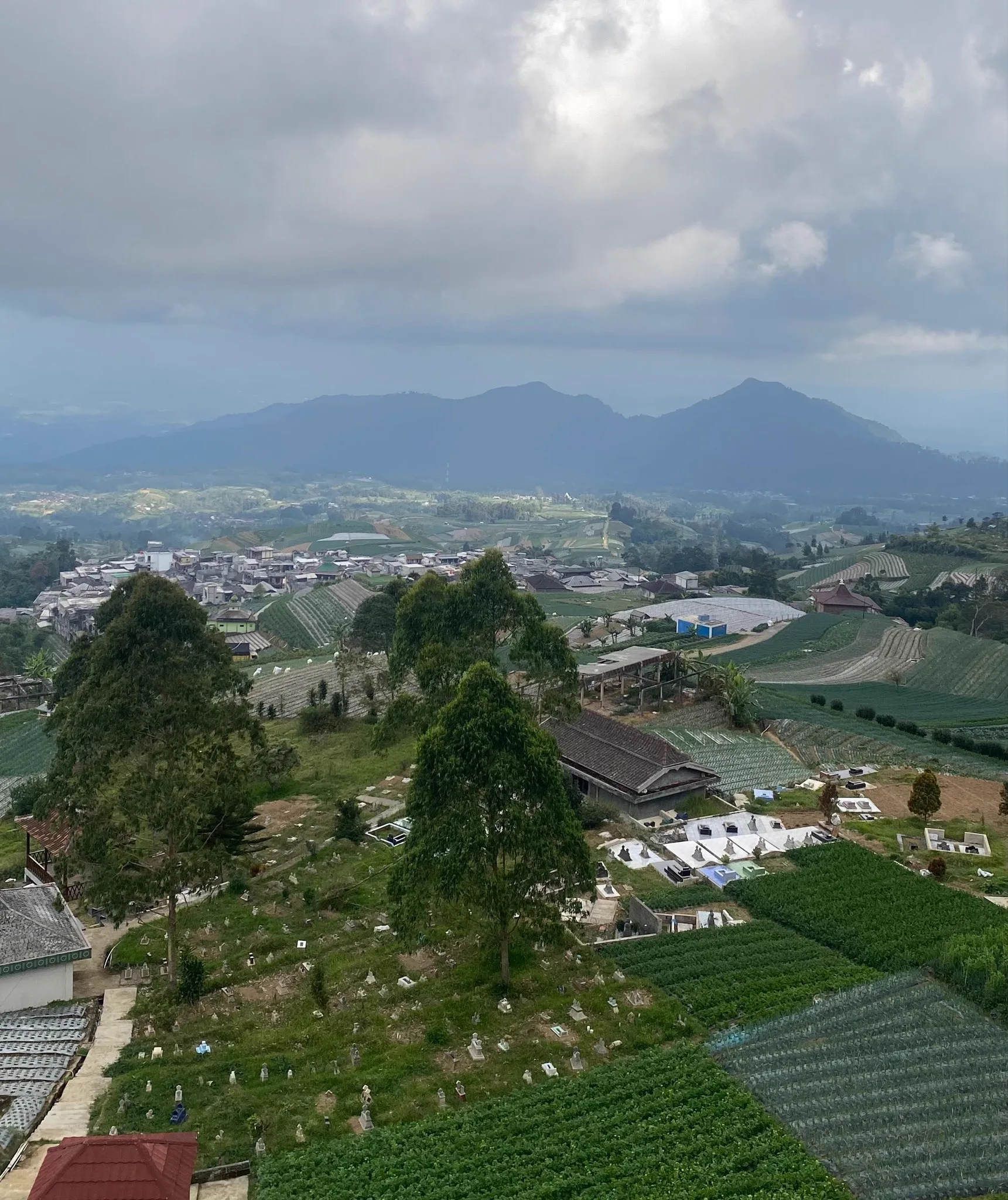
The terraces only read as terraces in side light. Look at the panorama group and compare the early frames with the last one. In the flatter light the slope reads as a solid green field. It is the raking late-afternoon light, with sun coming in from the side, that throws the retaining edges into relief and reveals the contour lines. That is the reason to time your visit late in the day rather than at midday, and it is why the highlands guide recommends an afternoon rather than a dawn start.
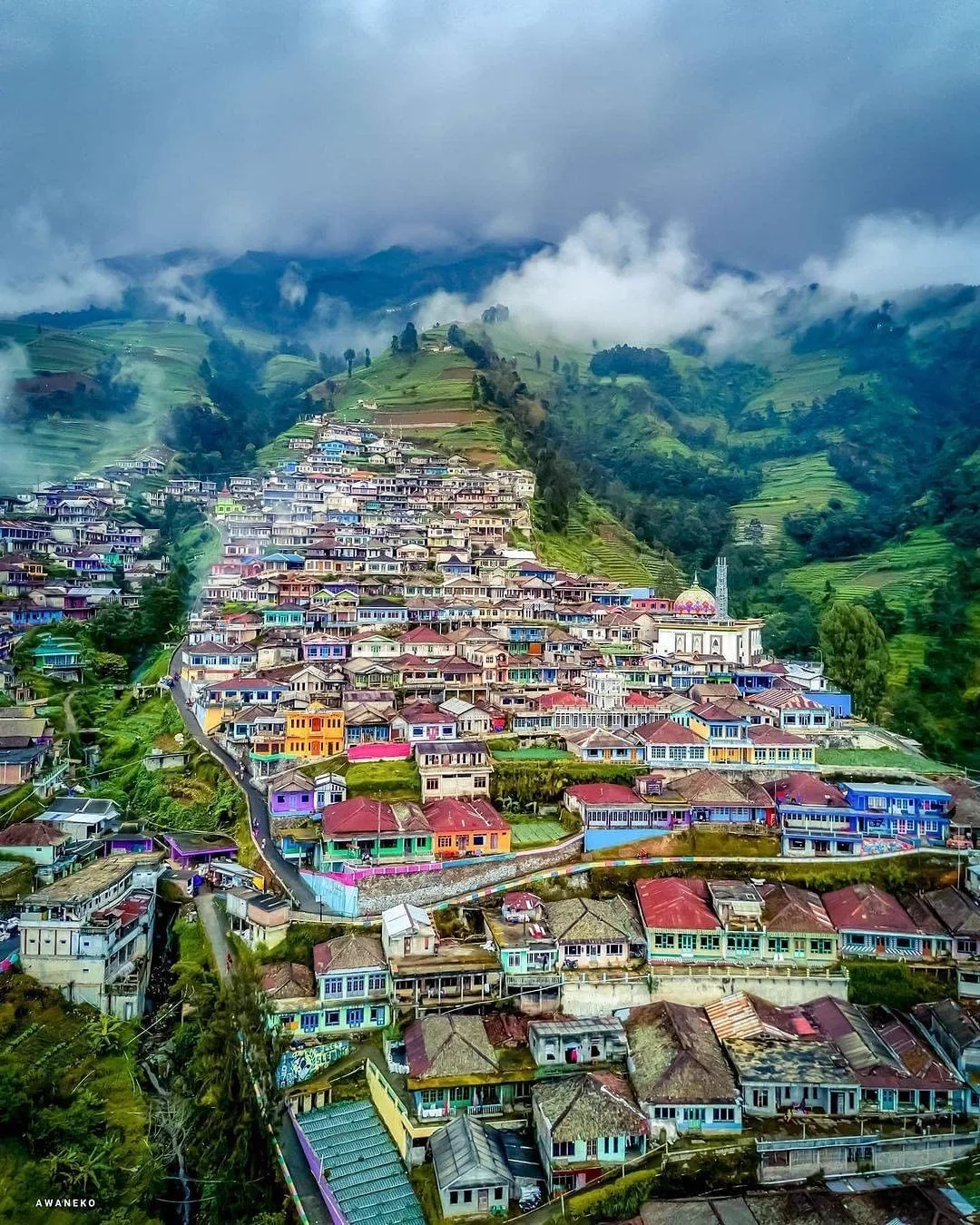
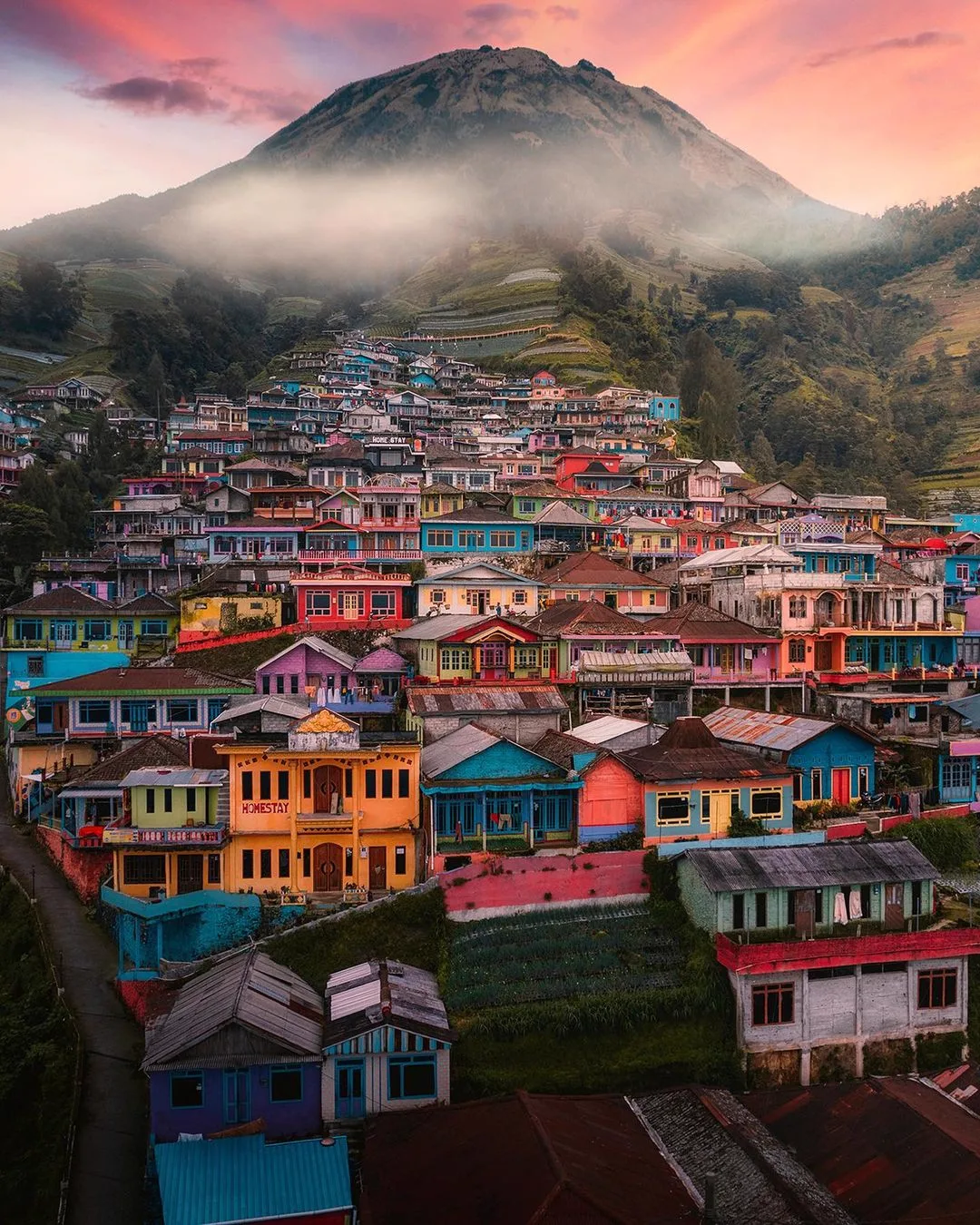
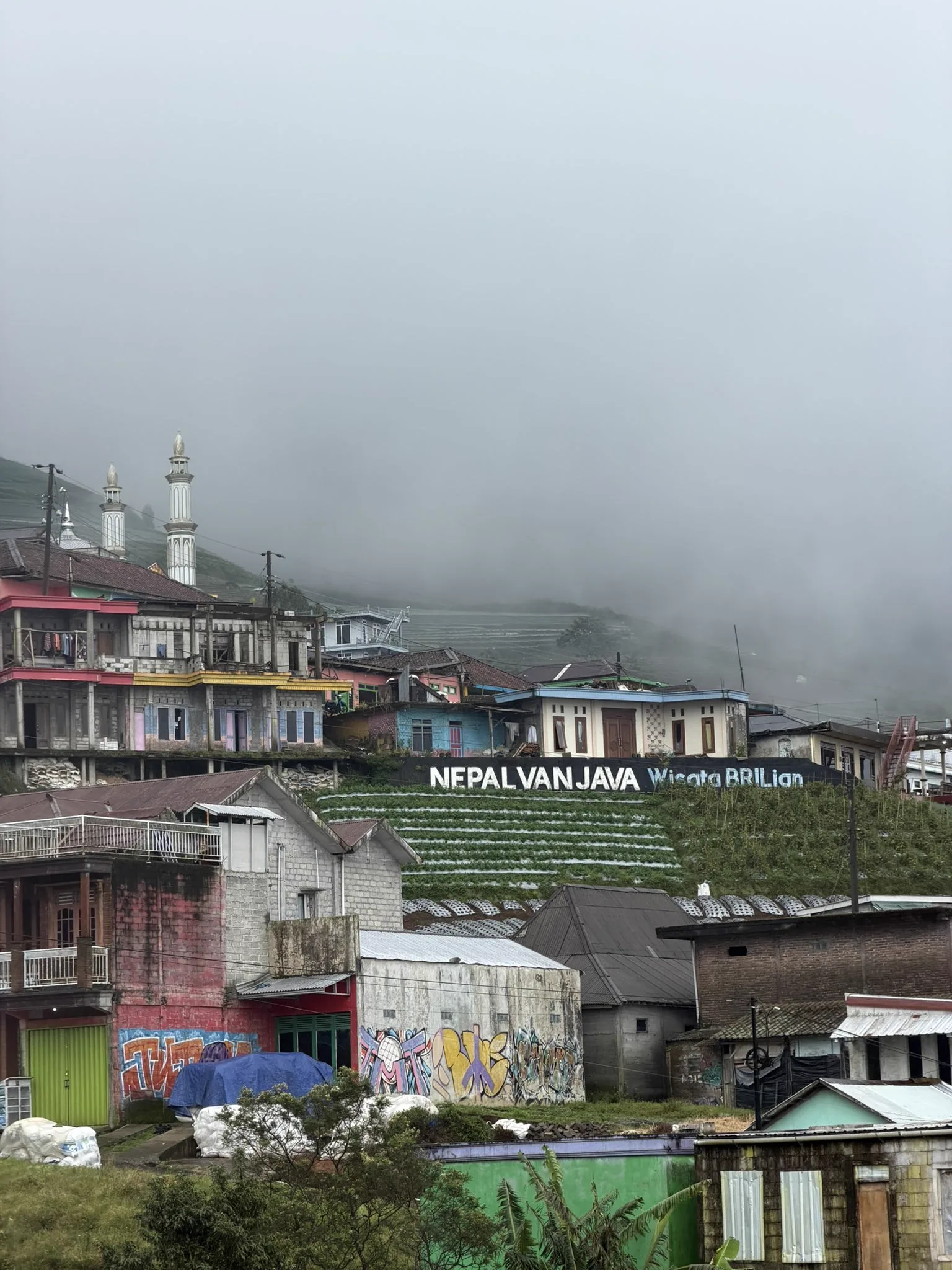
Mist is the ordinary condition, not the exceptional one. The highland frames show cloud sitting on the slope, which is what a mountain does with its own weather. The same pattern that hides the view at eight in the morning frequently lifts by mid-afternoon. Treat a misty arrival as a delay, not a failed trip, and do not commit to a viewpoint as though the view were guaranteed.
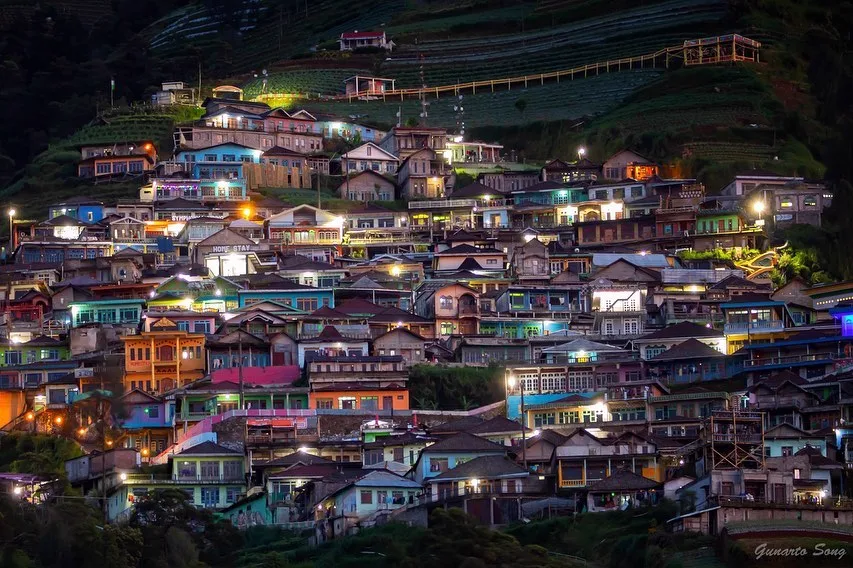
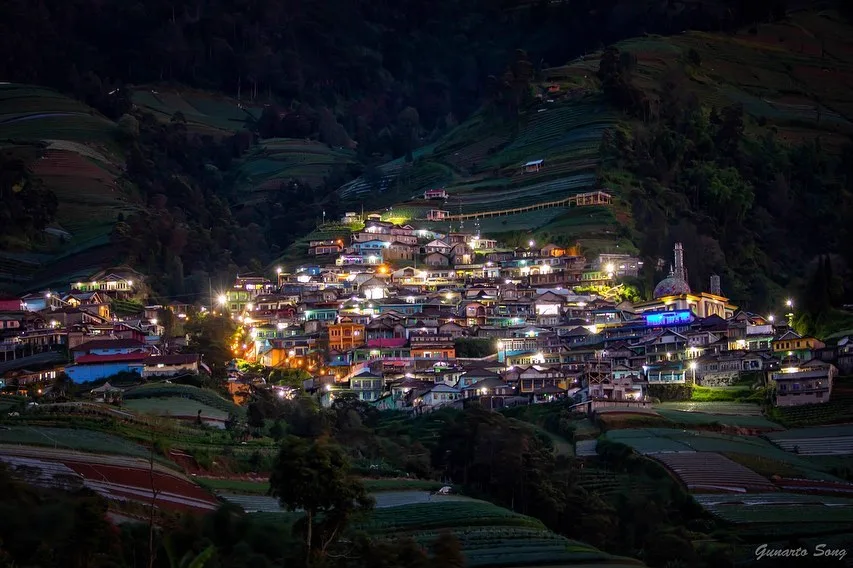
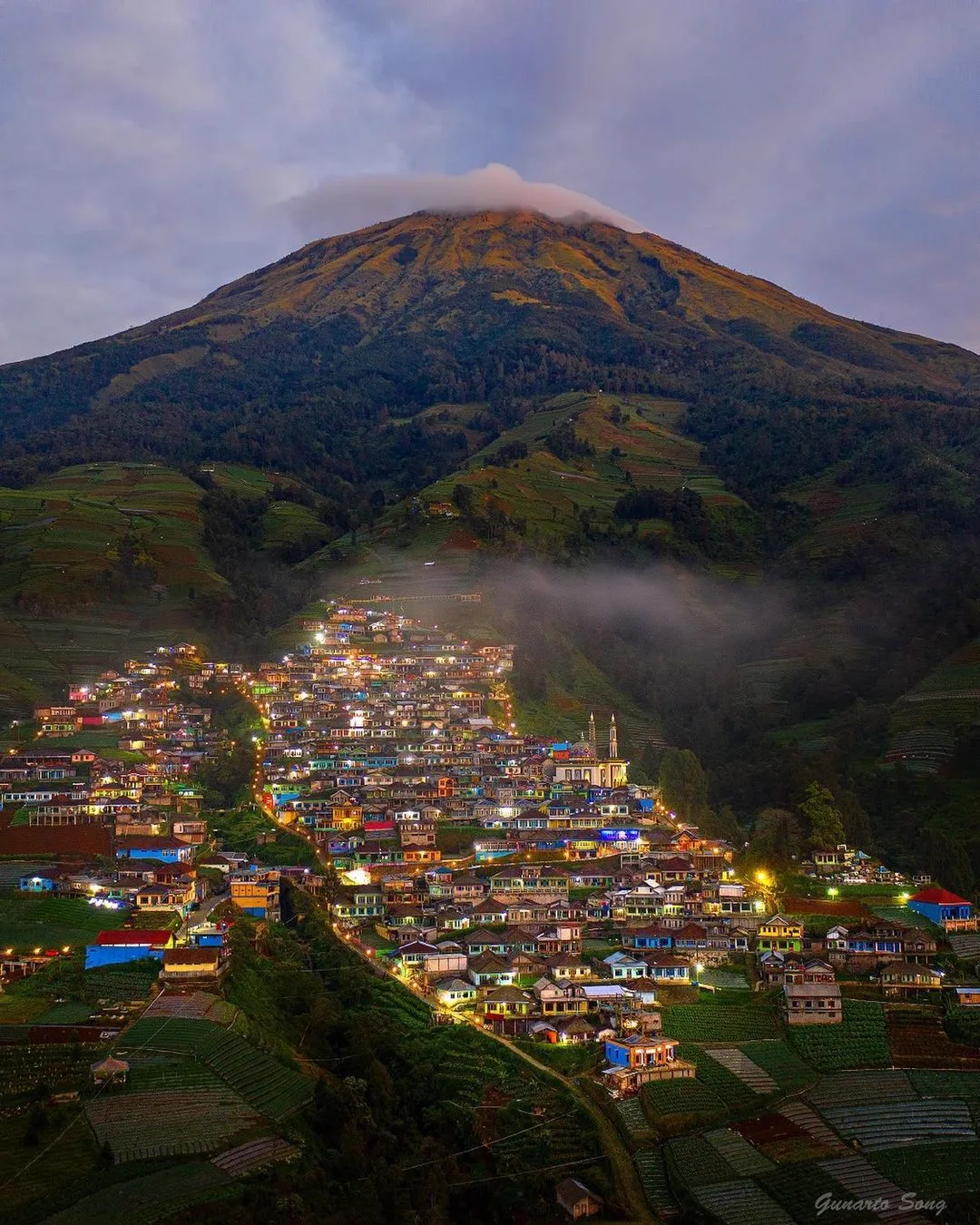
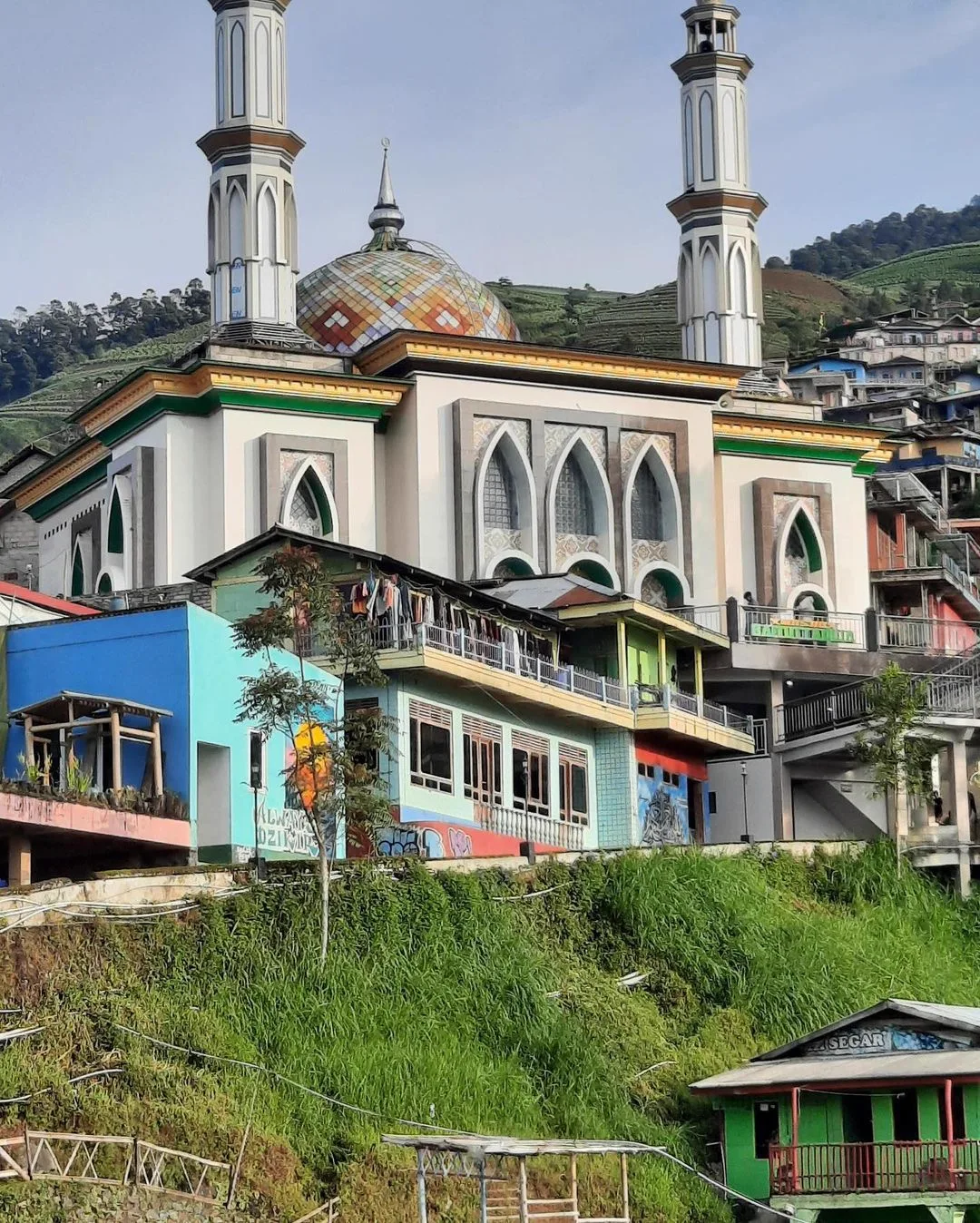
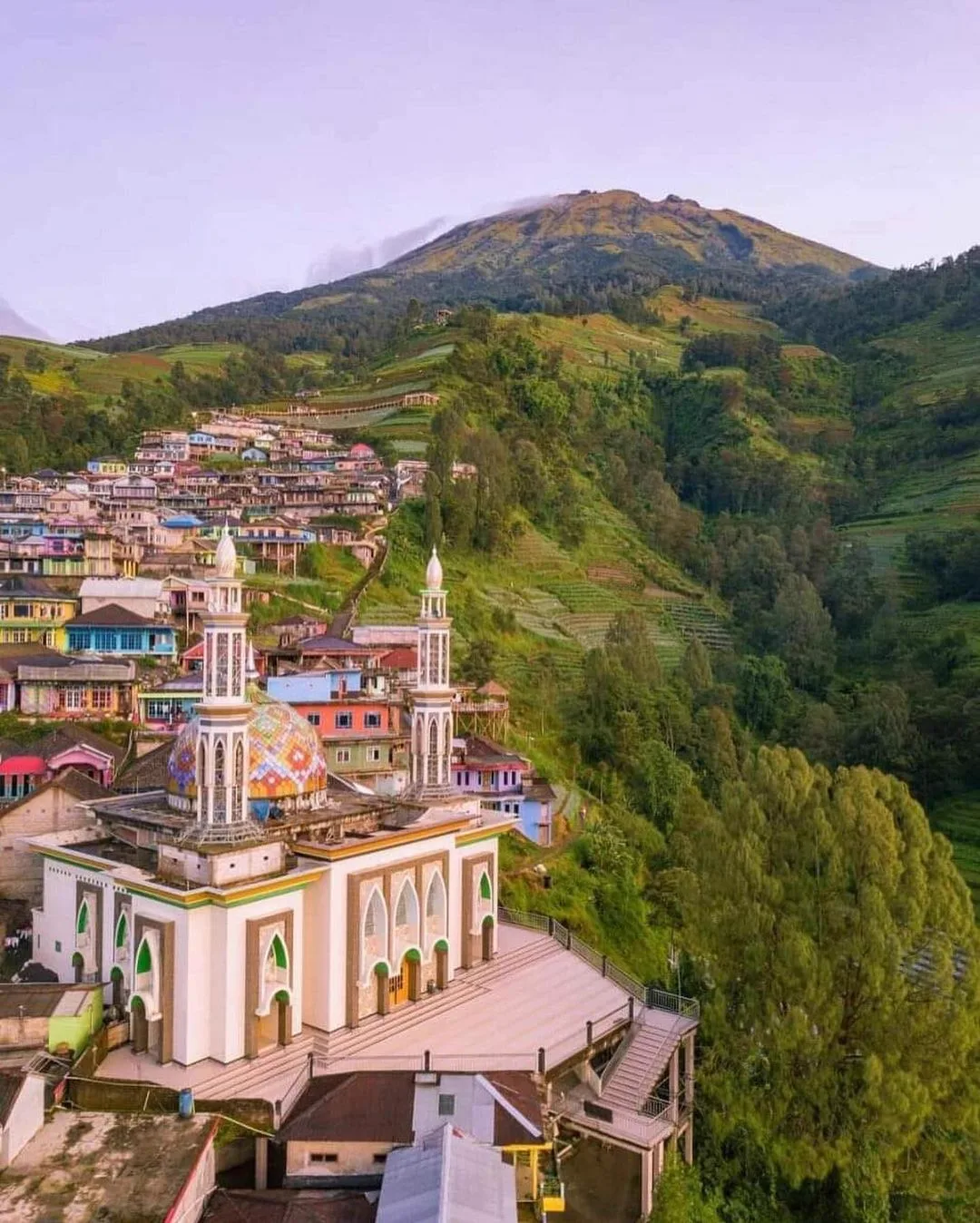
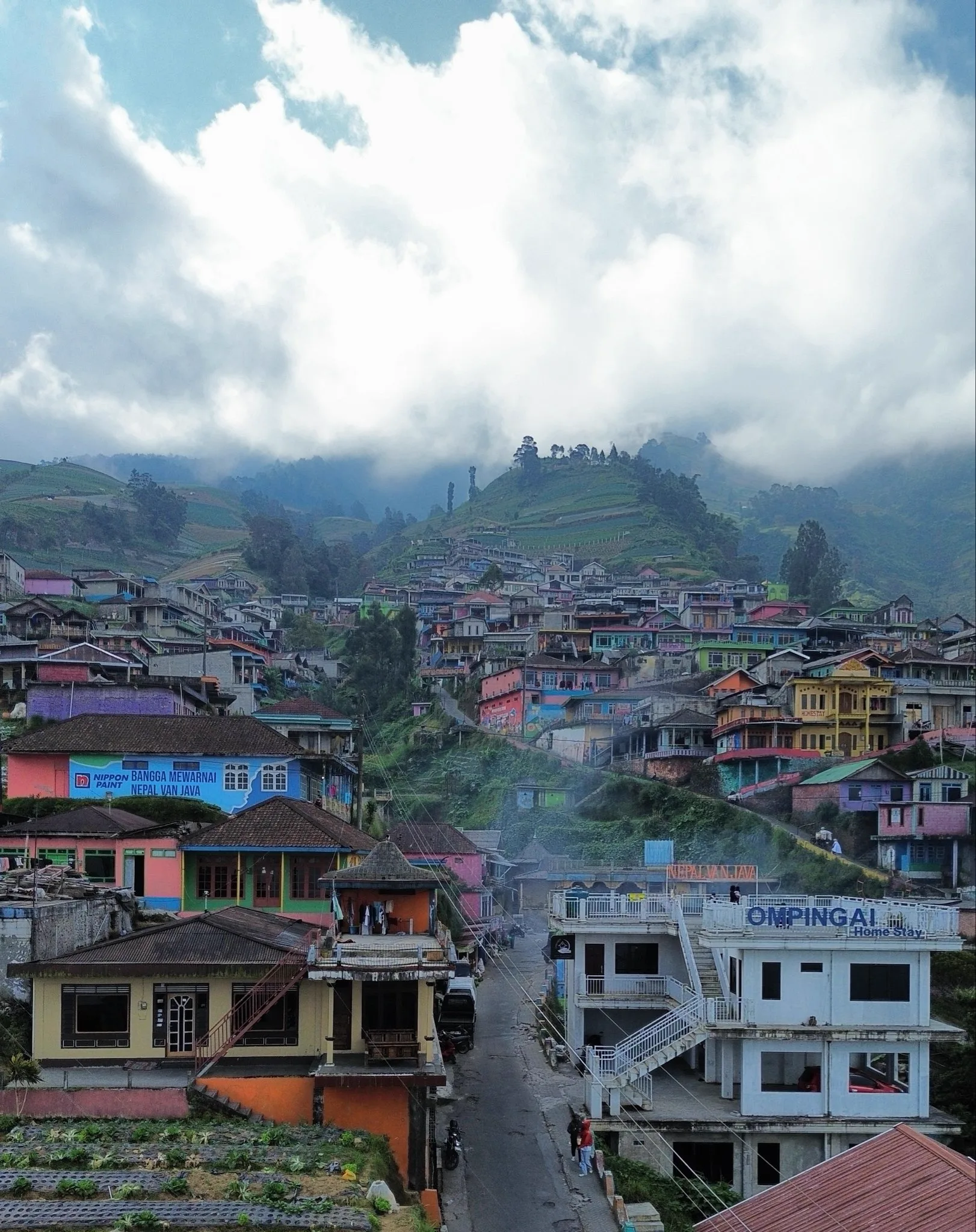
The village frames are the honest part of the set. Almost every village photograph here includes houses, a lane, a garden, or a working plot, because that is what the settlement is. There is no staged square and no built viewpoint to queue for. This is the visual argument for the etiquette in the sustainable travel guide: ask before photographing, keep to the public paths, and do not step into planted plots for a better frame.
Two and three hours is the right visit length. The images are diverse, but they are all within a compact area, and there is nothing here that justifies a full day of driving. The frames in the portrait group are the reward for walking slowly through the lanes rather than standing at one point.
If you are choosing what to pair with this, Punthuk Setumbu gives you a dawn start from a different altitude, and the 2-day itinerary places both on the same trip. If you are deciding what to bring, the camera gear guide is explicit about the limits of what a filter can do — the side light these frames depend on has to come from the hour, not from a filter.
Photo Gallery
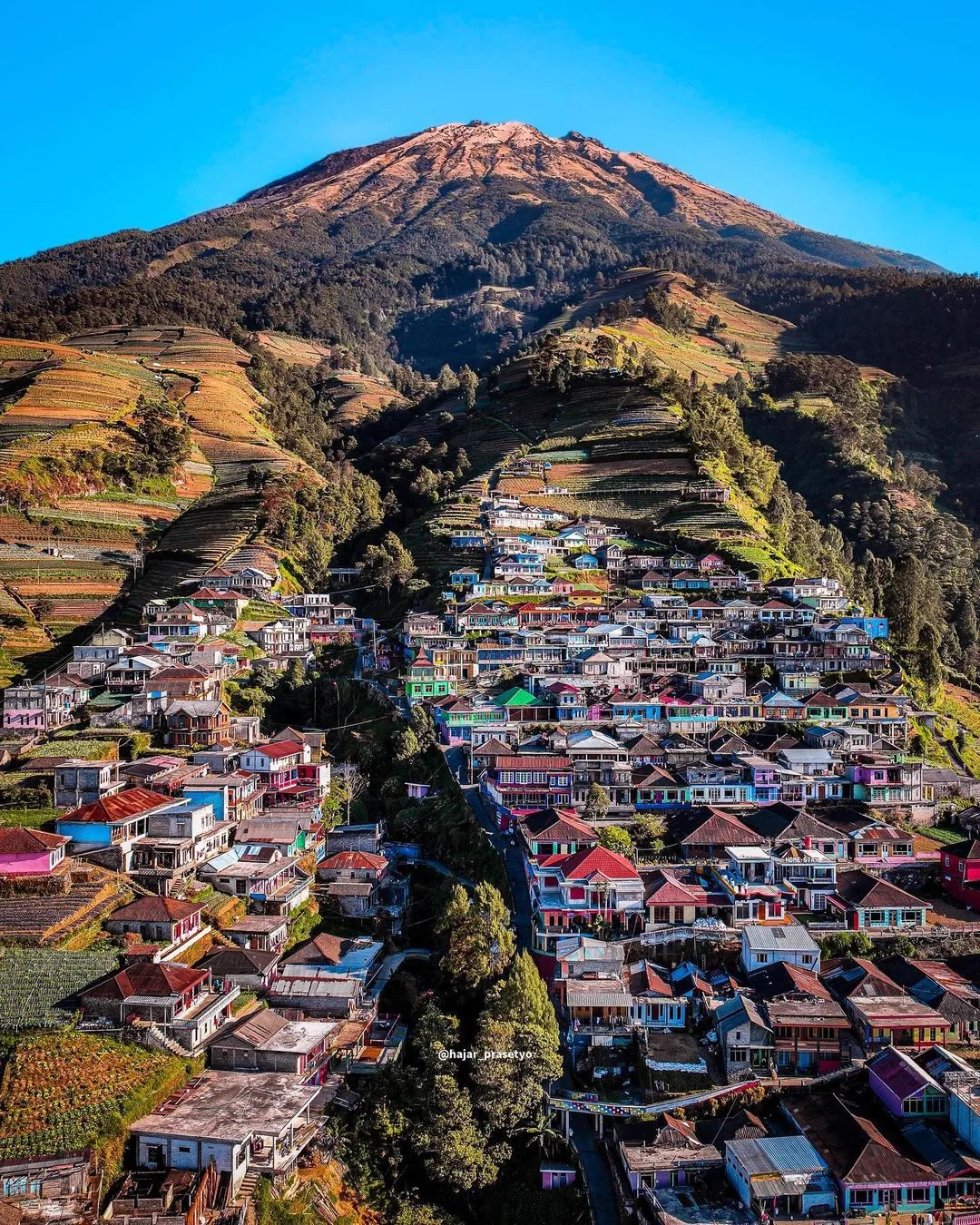
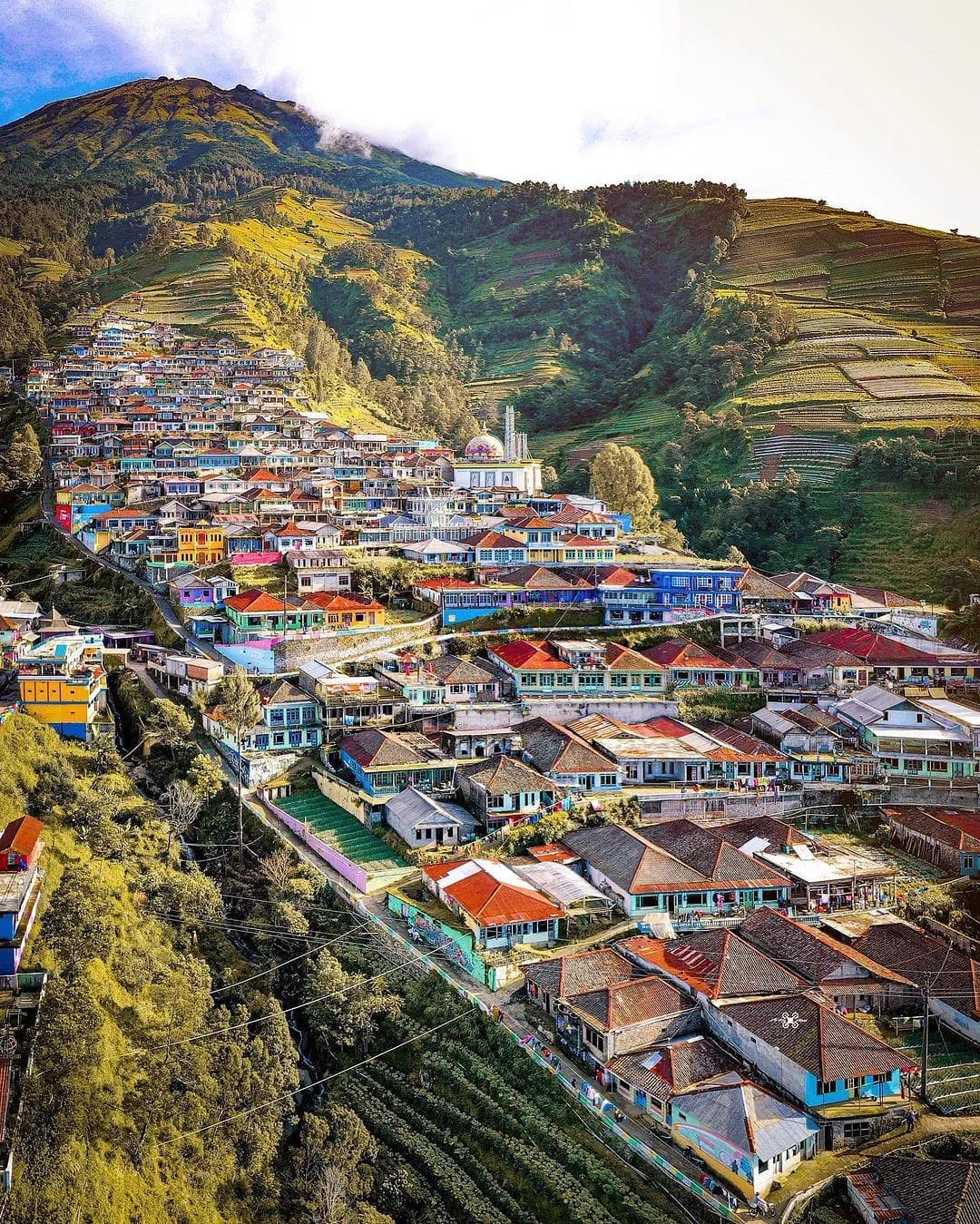
The photographs below are the author’s own, taken around the settlement. They are grouped by viewpoint: wider panoramas first, then village squares, then closer village scenes.
Panoramas of the Slopes
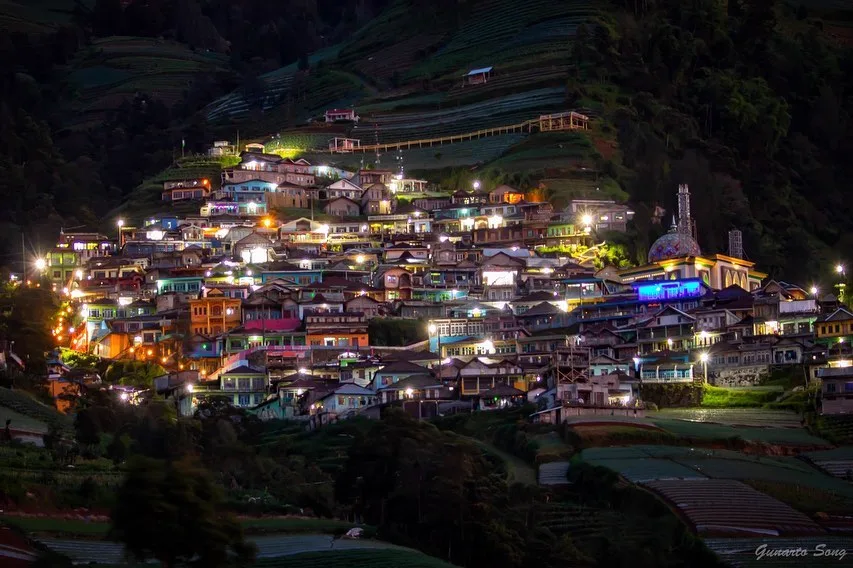
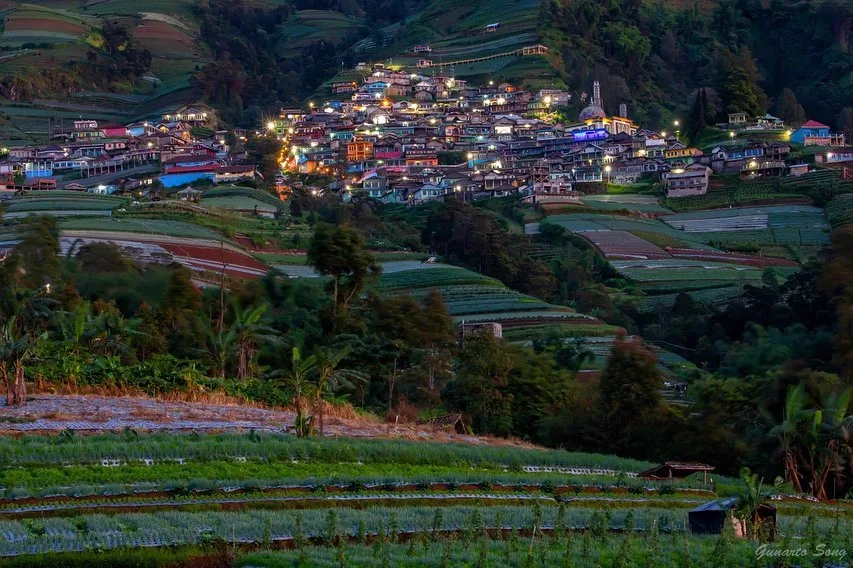
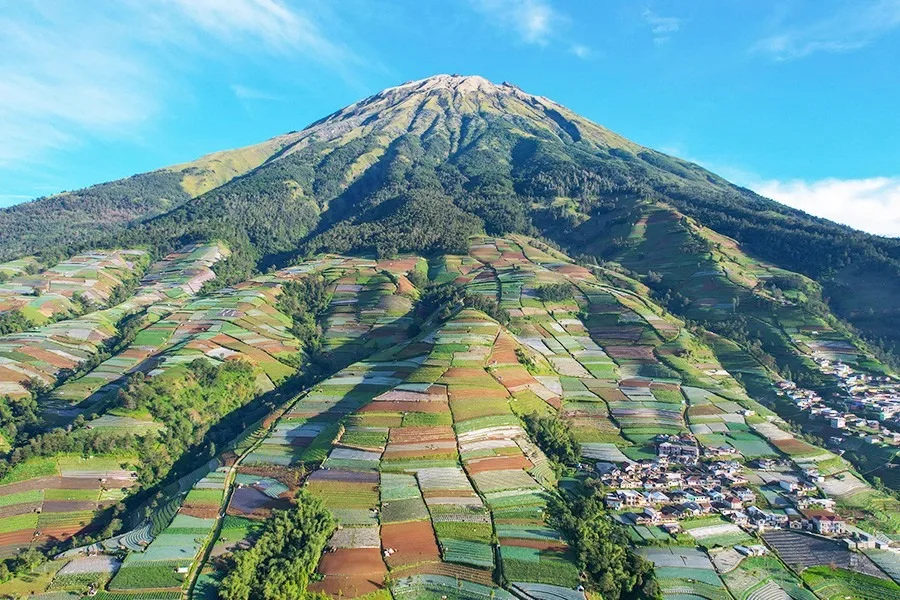
Village Squares
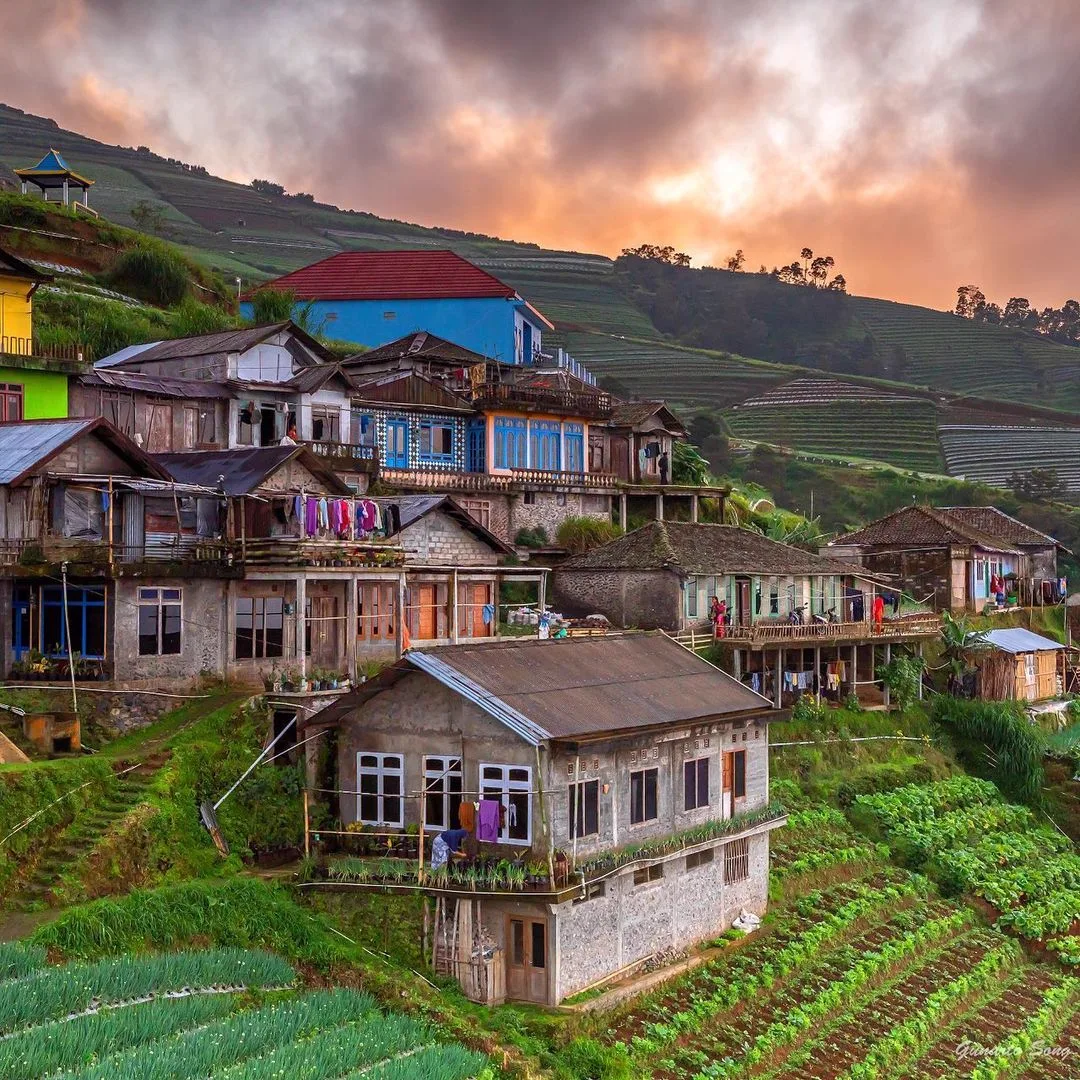
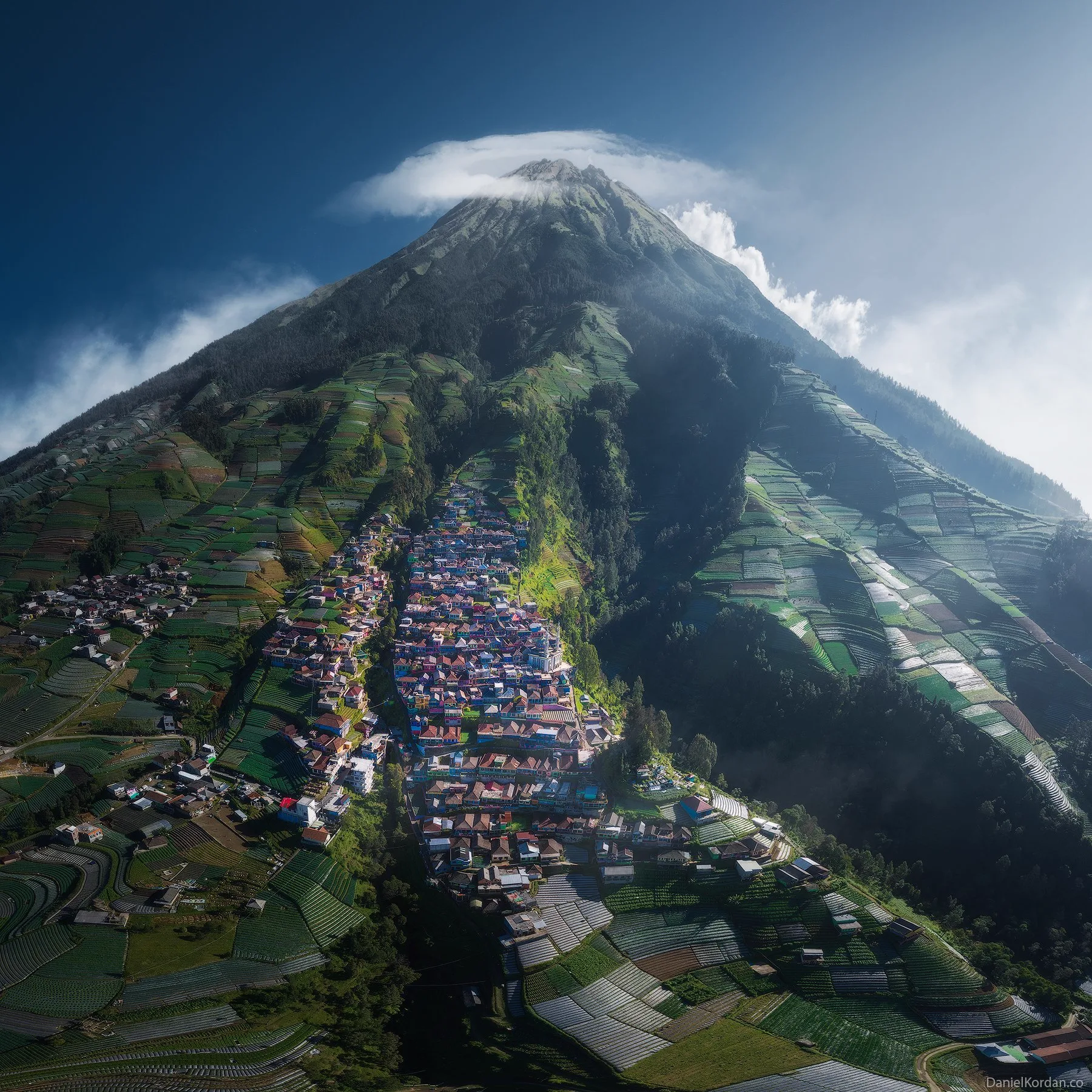
Village Scenes
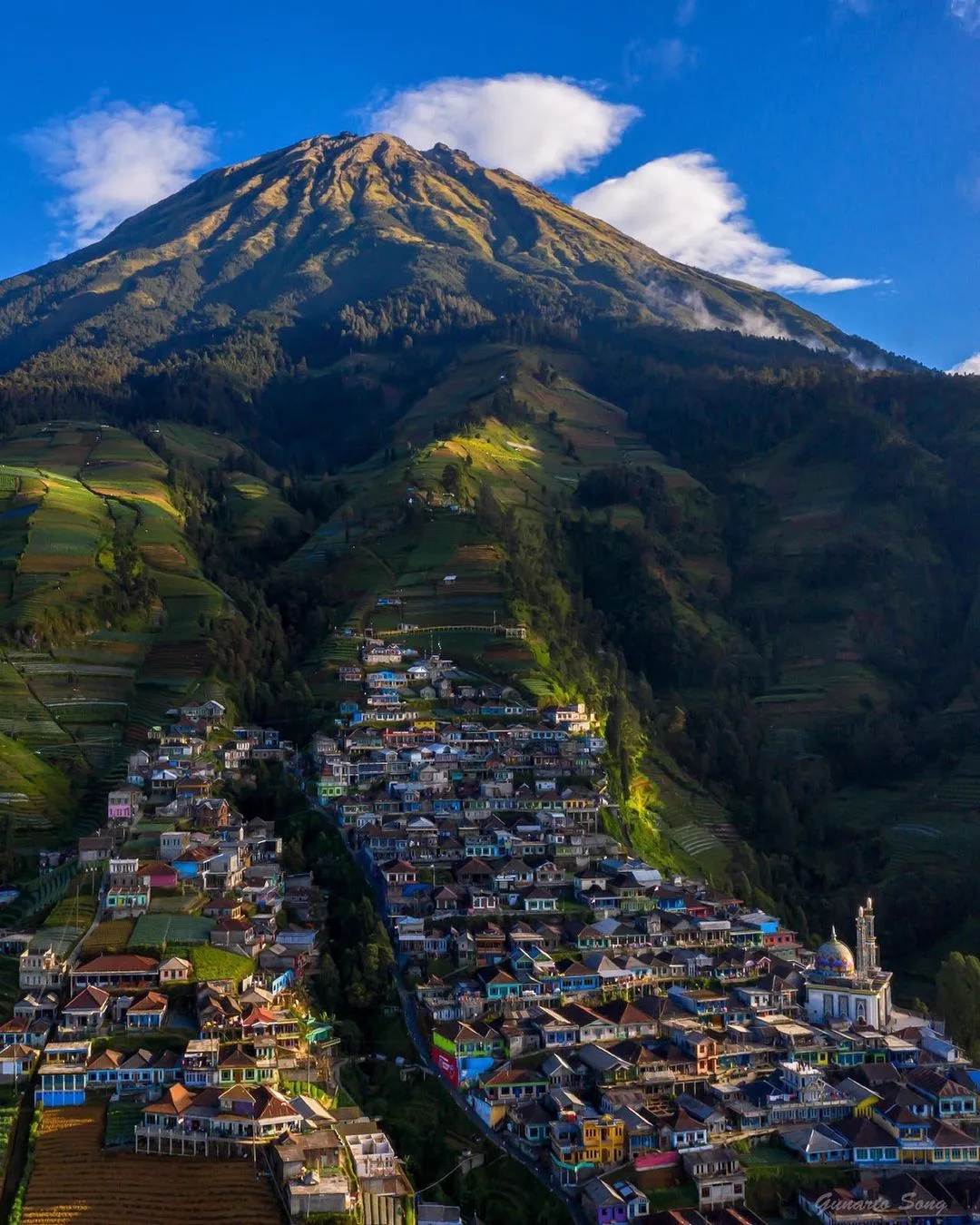
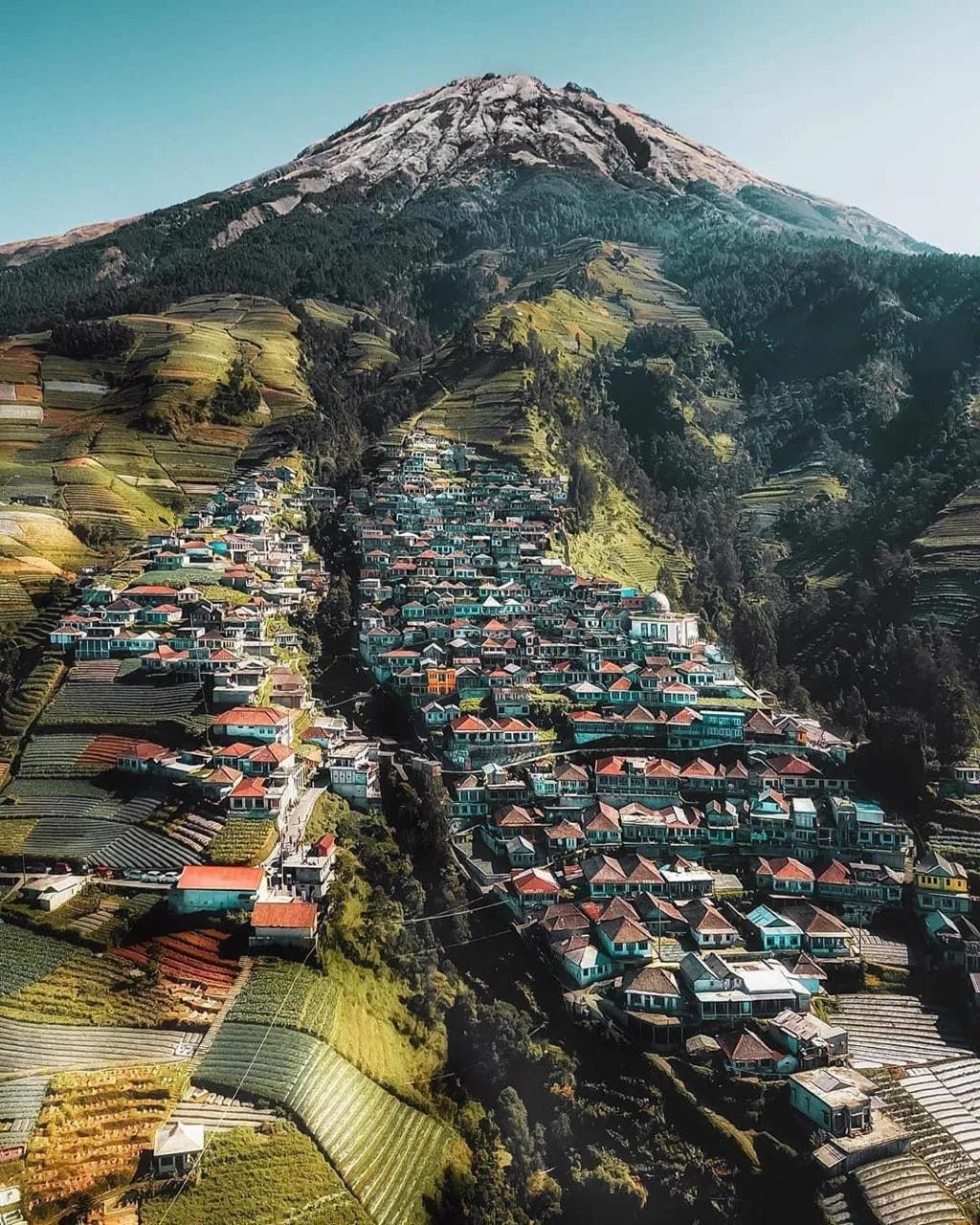
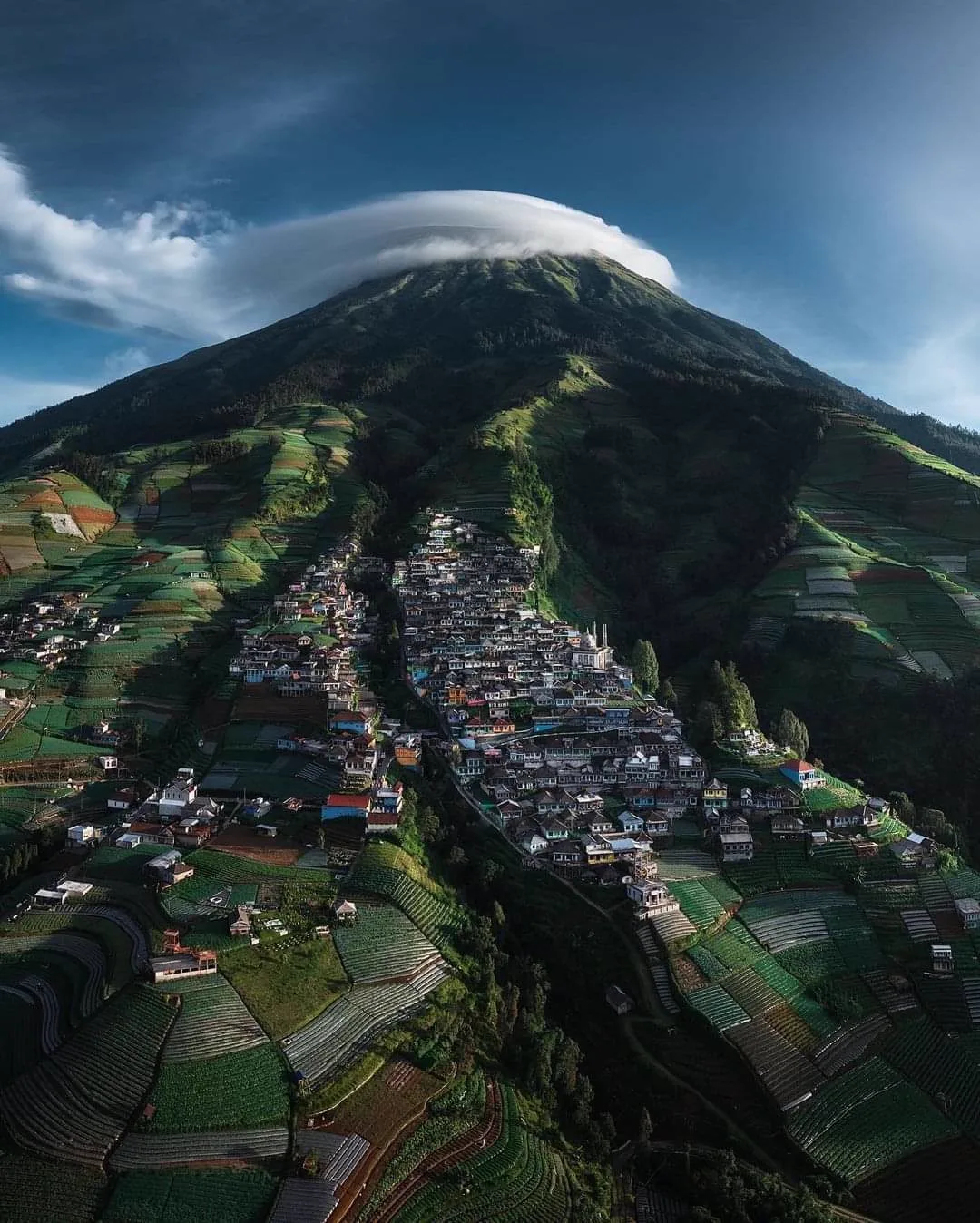
Video Library
The clips below show the same landscape in motion. Each is short and portrait-format, so it plays well on a phone. Press play to see the terraces, paths, and mountain light move.
Visiting Dusun Butuh
These photographs and clips show the landscape on good days. For planning: how to get there, what conditions to expect, and how to visit with respect, read Nepal Van Java highlands guide. For other weather-sensitive viewpoints, compare the Punthuk Setumbu sunrise guide and the Ketep Pass guide.
If a photograph in this gallery deserves a place on your phone, the Nepal Van Java wallpapers page offers 23 of these scenes as free 1080x1920 downloads.
Sustainable Tip
These scenes are the working landscape of Dusun Butuh. Keep to open paths, carry rubbish away, and support local stalls rather than entering farm plots for a photograph.
Family Tip
Short clips load faster than long ones and need less data. Preview a clip at home on Wi-Fi, then watch again on-site with a calm, unhurried pace.
Frequently asked questions
Is there an entrance fee to see these views in person?
There is no ticket for the village itself and no gate at the terraces. Small local fees apply for a few specific things, such as parking or a small warung, and cash is what stalls expect. Set up your transport in advance, because the access road is narrow.
Can I reuse these photographs on my own website or social media?
Not without asking. These are the author's own images and they are published for personal reference and as wallpapers, not under an open licence. For the 23 portrait crops prepared specifically for phone use, see the wallpapers page, which sets out exactly what personal use covers and what it does not.
What time of day do the terrace photographs look best?
Late afternoon, roughly two to three hours before sunset. The terraces only read as terraces when light comes in from the side, which throws the retaining edges into relief. Flat midday light flattens the whole slope into a green field, and early morning usually brings mist that hides the lower plots.
Why is there so much mist and cloud in the highland pictures?
Dusun Butuh sits on the Sumbing slopes, and the mountain generates its own weather. Cloud forming on the slope in the morning is normal, not a sign of bad conditions, and it often lifts. The wider weather picture for the region is covered in the best time to visit guide.
How long should I allow at Nepal Van Java?
Two to three hours is the right amount. The settlement is compact, and the terraces reward a slow walk rather than a long one. If you are building a day around it, plan for late afternoon and treat the morning as a separate stop.
Is the walk around the village difficult?
The paths are uneven, stepped and sloped in places, with open edges and no handrails, so closed shoes matter more than fitness here. Expect wet and slippery ground after rain and a short walk back up from the valley floor. A folded walking stick is more useful than a heavy pack.
Is it a working village or a staged attraction?
It is a working village. These are houses, gardens, and farm plots that people live and cultivate in, not a set. Ask before photographing people, homes, or someone at work, and accept a no. Keep to the public paths rather than cutting across planted plots.
What are the video clips for, and will they use much data?
The clips are short and portrait format so they play on a phone without buffering. Thirteen of them together still add up, so preview the page on Wi-Fi before you travel and save the ones you want, or use the stills instead.
Tourism information — including opening hours, entrance fees, and transport routes — may change. Please verify with official local sources before planning your visit.
Sources and further checks
Use these primary or specialist sources to confirm current access rules, safety notices, and travel arrangements.

About the Author
Larasati Wulandari
Independent travel writer · Central Java, Indonesia
Larasati Wulandari is an independent travel writer who has lived in Central Java for eight years. She writes first-hand, practical guides to Magelang's temples, viewpoints, and local food, and reviews them regularly as conditions change.